
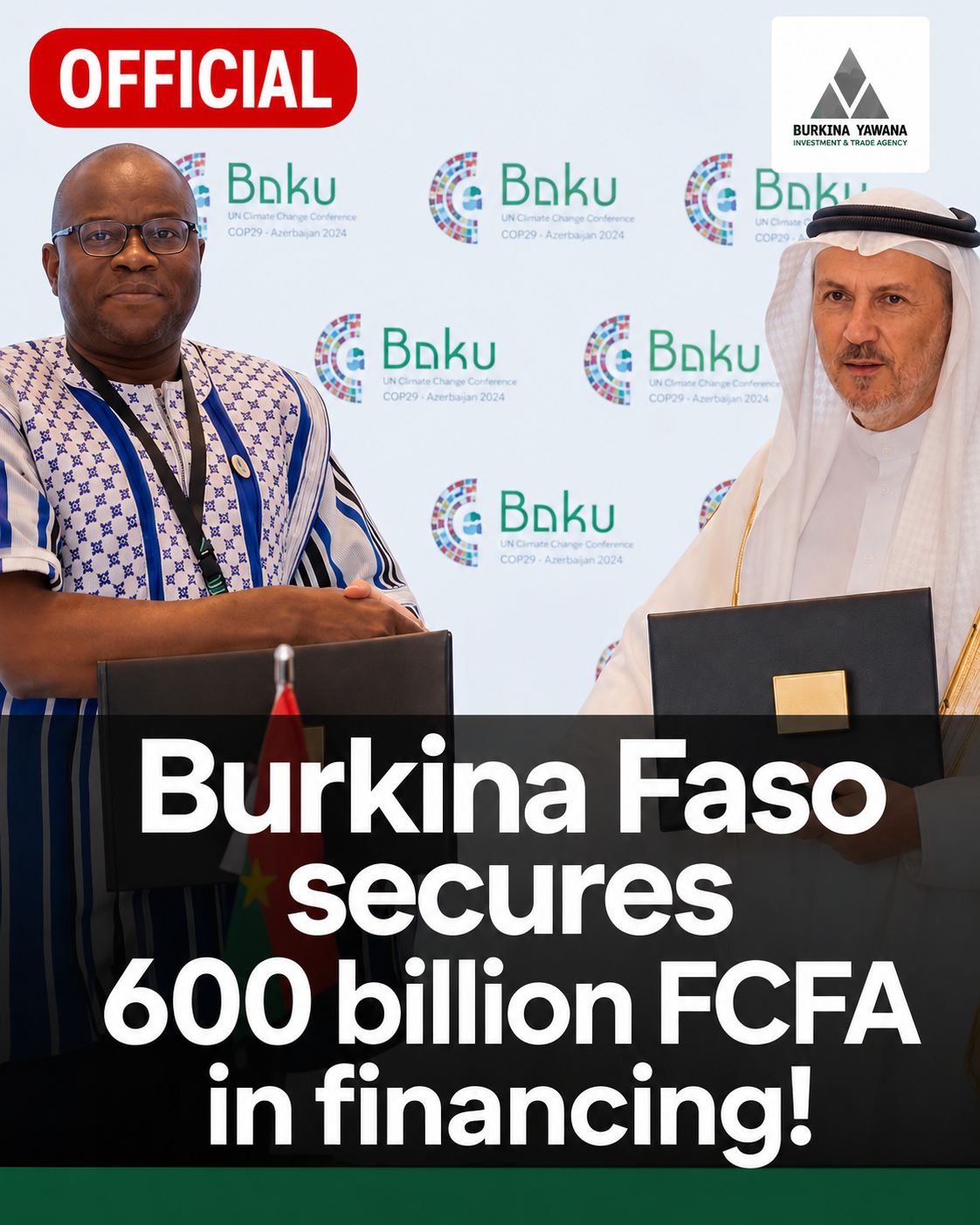
In Baku, Minister Aboubakar Nacanabo formalized a significant financial agreement with the International Islamic Trade Finance Corporation (ITFC). The deal, covering fuel, cereals, fertilizers, and SME support, injects much-needed capital into Burkina Faso’s struggling economy. While the infusion provides immediate relief to the local market, it also exposes the gap between political rhetoric and economic necessity.
a lifeline amid economic strain
Though the signing ceremony received little public attention, its implications for Burkina Faso’s population are profound. By securing this financing in Azerbaijan, the government ensures the continued supply of essential goods. Without such agreements, maintaining agricultural fertilizer stocks or stabilizing fuel prices would prove far more challenging.
the paradox of self-reliance
For months, official statements and public gatherings have championed the narrative of Burkina Faso’s self-sufficiency, with slogans declaring, « no foreign credit involved. » This message resonates with national pride, yet it clashes with the country’s growing reliance on external financial support. How can a nation that claims financial independence repeatedly turn to distant international agreements for funding?
The « debt-free » illusion, while politically convenient, carries a hidden cost. By dismissing the urgency of addressing real fiscal dependencies, decision-makers risk a harsher awakening. Future debt burdens could emerge just as crippling as past financial constraints, now compounded by unfulfilled promises of economic sovereignty.
the inescapable weight of economic laws
Development cannot defy economic fundamentals indefinitely. While domestic effort remains a commendable goal, Burkina Faso’s current economic landscape still hinges on international financing. Until sustainable alternatives emerge, the country’s progress will remain tied to the very agreements its leaders publicly disavow.