
A fundamental shift in official communication
A new milestone has been reached in the ideological restructuring of Burkina Faso. As of June 1st, an official directive has mandated that all public administrations use the term “camarade” when addressing citizens and service users.
This measure is a component of the “progressive and popular revolution” championed by the transitional authorities under the leadership of Captain Ibrahim Traoré. It signifies a potent symbolic departure from the administrative conventions inherited from the colonial period.
A semantic and ideological transformation
The replacement of the traditional “Monsieur” and “Madame” with “Camarade” represents more than a mere change in vocabulary. For the Burkinabè executive, this directive is intended to cultivate a sense of absolute equality between the state and its citizens, while simultaneously bolstering national cohesion amid a severe security crisis.
The government’s stated objectives are threefold:
- Eradicating hierarchies: To dismantle conventional protocol-based barriers between state officials and the populace, thereby making the administration more accessible.
- Strengthening national unity: To nurture a strong, egalitarian collective identity, which is deemed essential for confronting the nation’s existential challenges.
- Asserting sovereignty: To disassociate from Western honorifics, which the regime views as remnants of a bourgeois or colonial culture.
The resurgence of Sankara’s legacy
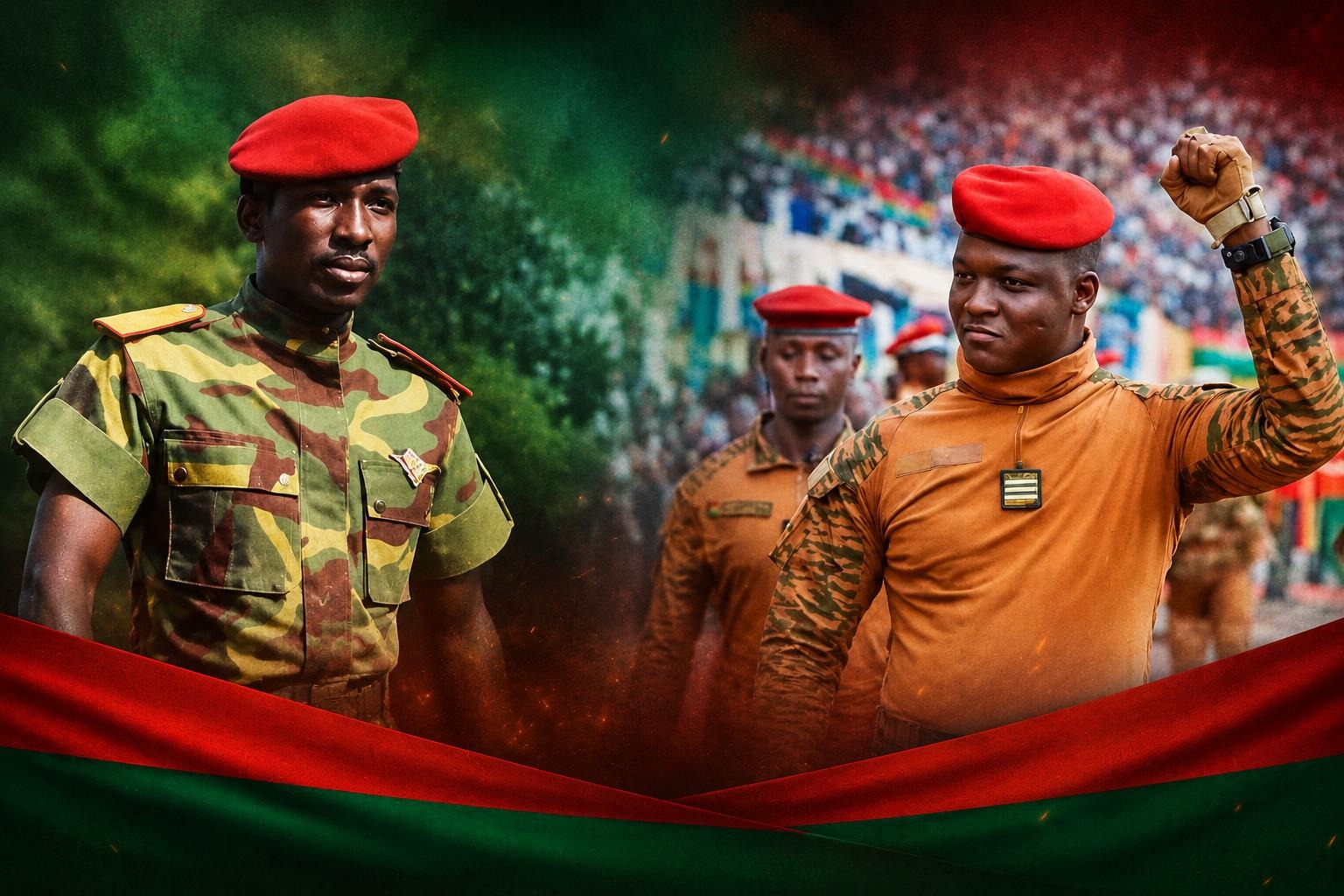
For observers of West African politics, this decision directly evokes the Democratic and Popular Revolution led by Captain Thomas Sankara from 1983 to 1987. During that era, the term “camarade” was a central element of revolutionary rhetoric and culture.
By reviving this term, the current leadership seeks to harness the historical and popular legitimacy of Thomas Sankara, a figure who remains profoundly popular and inspirational for the youth of Burkina Faso. This return to Sankarist principles has been complemented in recent months by other significant foundational decisions, including the revision of the transition charter, the vigorous promotion of endogenous development initiatives, and a comprehensive realignment of regional and international geopolitical alliances.
Contrasting perspectives within society
On the ground, the implementation of this directive is eliciting a range of sensitivities and reactions throughout the country:
Endorsement from regime supporters
Supporters of the transitional government have unanimously praised the measure as both patriotic and historic. They contend that it recentralizes the citizen in public action, dismantles elitism, and fosters a spirit of solidarity crucial in times of crisis.
Reservations from skeptics and the opposition
Conversely, several critical voices perceive this as an excessive focus on purely ideological symbols. They argue that the state’s absolute priorities should remain concentrated on securing the territory, facilitating the return of internally displaced populations, and actively combating terrorism.
The practical challenge for the civil service
Within ministries and prefectures, public officials are confronted with an immediate managerial and cultural challenge. They must now instantly adapt all their official correspondence, forms, and protocols for in-person and telephone interactions.
As Burkina Faso continues to grapple with major security and humanitarian challenges, the transitional government is wagering that semantics can serve as a powerful vehicle for mass mobilization. It remains to be seen whether the adoption of this revolutionary language will be sufficient to durably consolidate the national unity sought by Ouagadougou.