
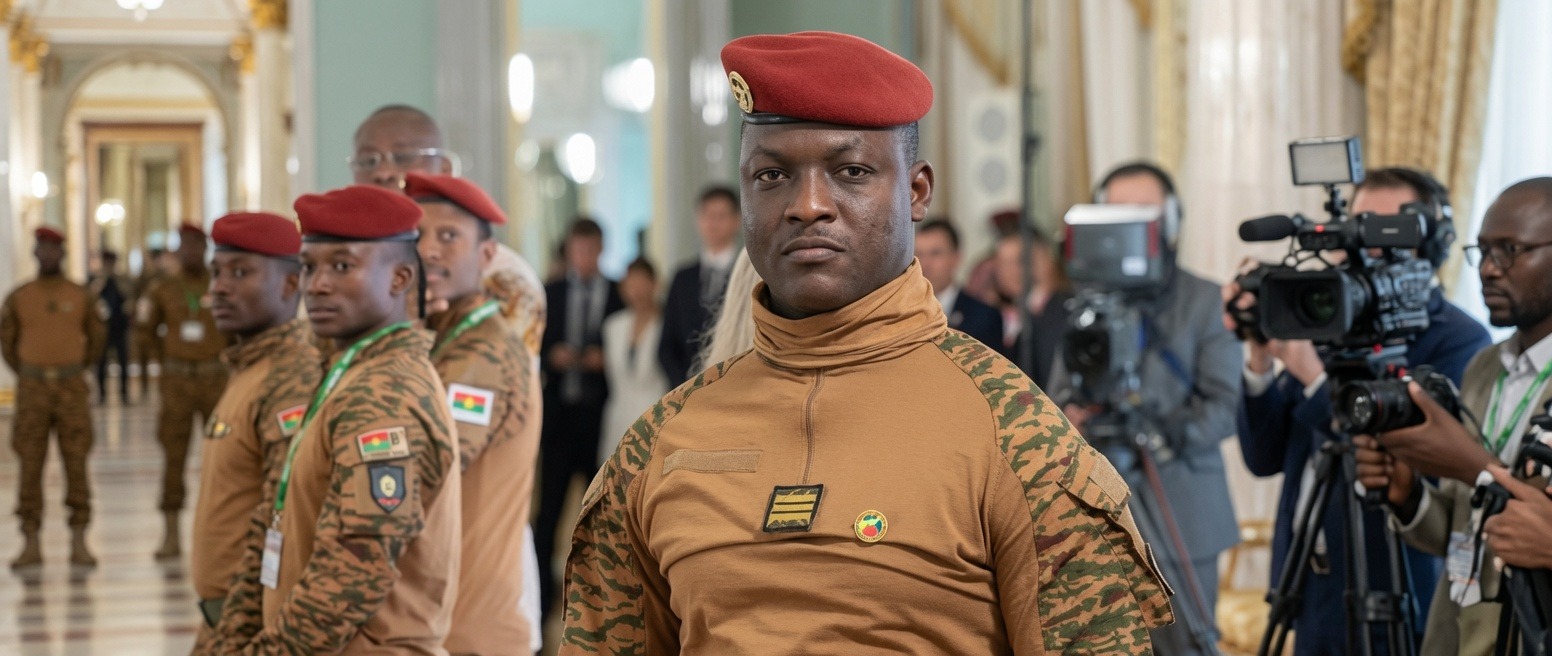
Burkina Faso’s leadership continues to champion national sovereignty and self-reliance, yet the country’s fiscal realities are forcing a tough reassessment. On October 7, 2026, the government tapped the UMOA bond market once more, securing 40 billion CFA francs from private investors—a step that underscores the growing rift between political goals and economic limits.
Patriotic talk versus fiscal reality
The contradiction is striking: while officials push for self-financing and reduced reliance on external forces, the national budget remains deeply imbalanced. Revenue streams cannot cover essential state functions, including defense—a sector now absorbing an ever-larger share of public spending. To keep the machinery running, Ouagadougou continues to depend not on domestic reserves, but on regional financial instruments and private-sector liquidity.
Borrowing within the UMOA zone offers a strategic advantage: it avoids direct oversight from Western donors or multilateral institutions. But this autonomy comes with a price. Market debt carries interest obligations that will eventually fall on future taxpayers—sparking urgent questions about long-term fiscal sustainability and fairness across generations.
The hidden costs behind the bond issuance
The bond sale may look routine, but the specifics remain largely unclear. Critical details—such as the marginal interest rate offered to lenders, the maturity profiles of the securities, and how the 40 billion CFA francs will be used—have not been fully disclosed. Citizens and analysts are left to speculate about the true cost of this financial move.
With defense consuming a growing portion of the budget, how much of this borrowed capital is being diverted from essential social infrastructure like healthcare, education, and rural development? More critically, what long-term financial burden does this short-term liquidity place on the national treasury? Without clear, verifiable data on interest charges and repayment timelines, the government’s narrative of financial independence risks losing credibility—replaced instead by a perception of dependency on market forces it claims to reject.
Public debt: a double-edged sword
Burkina Faso’s latest bond issuance illustrates a broader dilemma facing nations that assert sovereign control while operating within a financially interconnected regional bloc. The UMOA market, anchored by regional stability and shared monetary policy, offers a lifeline for governments facing liquidity gaps. However, every franc borrowed today carries an obligation to repay tomorrow—often at rates higher than concessional loans.
This cycle of borrowing to meet immediate needs risks deepening the very dependencies the government claims to reject. As the national debt load rises, so too does the pressure on public finances. Will future generations inherit a stronger, more self-sufficient nation—or a heavier debt burden with fewer resources to invest in growth?
Transparency: the missing link
What can bridge the gap between the vision of sovereignty and the reality of financial necessity? Transparency. A full disclosure of borrowing terms, interest rates, maturity structures, and the intended allocation of funds would allow citizens to assess whether short-term liquidity is being secured at an acceptable long-term cost.
Moreover, clear reporting on how these resources are used—whether directed toward defense, infrastructure, or social services—would enable democratic oversight and foster public trust. Without it, the credibility of Burkina Faso’s autonomy drive remains hostage to speculation, and the true price of financial sovereignty remains unknown.