
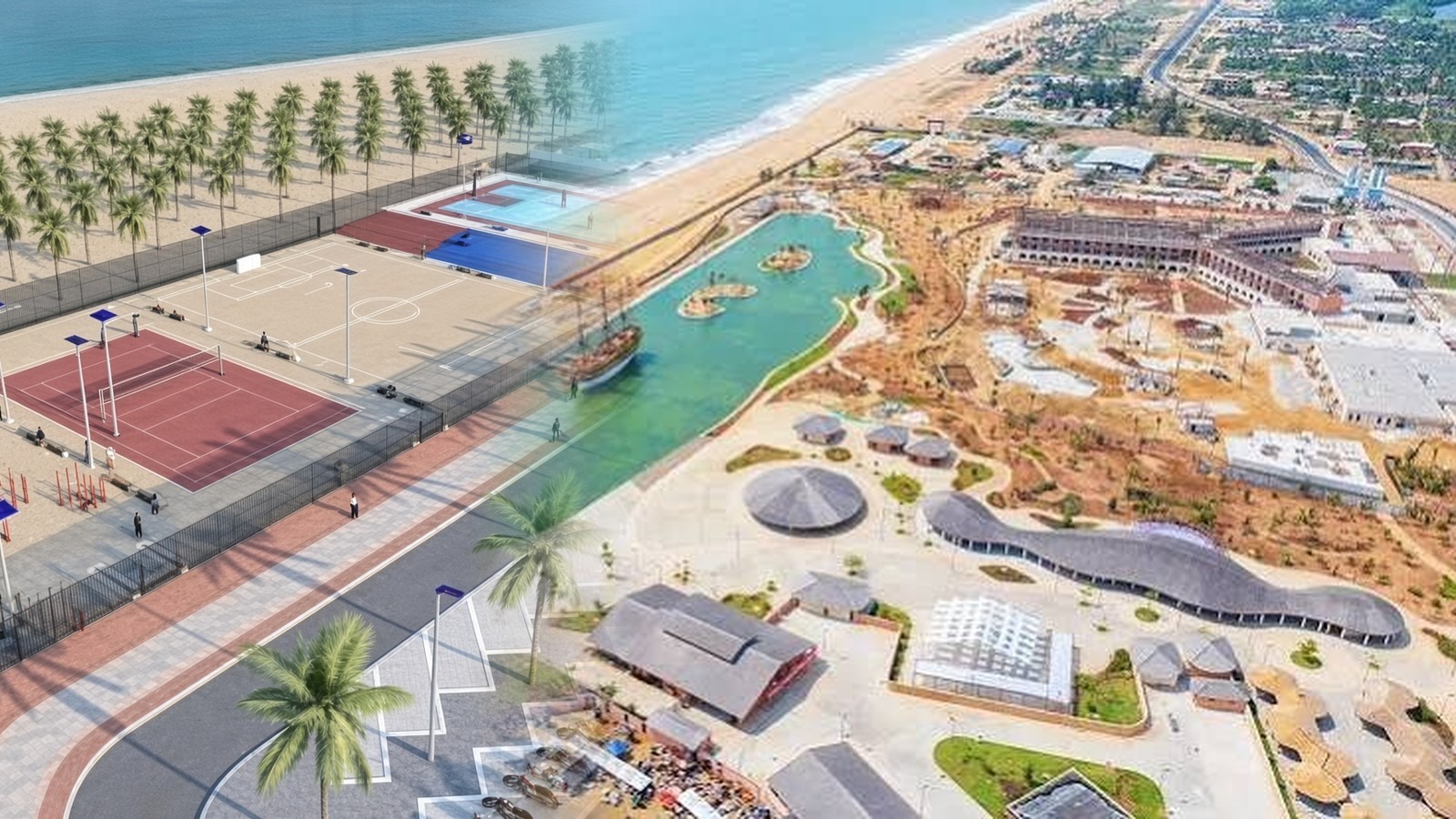
With Benin’s Fidjrossè–Ouidah coastal corridor rapidly becoming the country’s next big tourism hotspot, a high-stakes question is taking center stage: how can rapid development avoid suffocating the natural wetlands that protect communities from flooding?
Why the route between Fidjrossè and Ouidah sits at a crossroads
The stretch of coastline linking Fidjrossè to Ouidah has long been a quiet backwater of lagoons, sand dunes, and fishing villages. In recent years, however, it has caught the eye of investors and urban planners eager to capitalize on its white-sand beaches and proximity to Cotonou. The result is a wave of new roads, landscaping projects, and resort-style developments redefining the shoreline.
Yet behind the gloss of modern marinas and beachfront promenades lies a less visible crisis: the shrinking of the very wetlands that absorb storm surges and filter floodwaters. As more land is reclaimed and built up, the natural sponge effect that once buffered the coast is disappearing, leaving local neighborhoods more vulnerable to inundation.
How uncontrolled land grabs are eroding Benin’s coastal defenses
Official assessments now confirm that unplanned encroachment on marshes and tidal flats is accelerating. Rather than isolated incidents, these occupations form a pattern stretching from Fidjrossè all the way to Ouidah’s historic slave-port beaches. Each hectare of wetland lost diminishes the coastline’s resilience—and raises the bar for future flood recovery costs.
Compounding the issue, the area’s shifting sands and rising tides are already exposing parts of the Route des Pêches to erosion and saltwater intrusion, pushing fishing cooperatives inland and threatening the livelihoods of hundreds of families.
What Benin’s new coastal watchdog is designed to do
The government has just greenlit the creation of a dedicated Authority for the Development of the Fidjrossè–Ouidah Coastal Corridor. This body will function as a one-stop regulator, merging urban planning, environmental protection, and tourism oversight into a single mandate.
The Authority’s core responsibilities include:
- Wetland protection and restoration: identifying critical buffer zones and enforcing no-build zones around fragile marshes and dunes.
- Urban permit screening: reviewing every construction request, from beach resorts to holiday homes, to ensure alignment with coastal setback rules.
- Erosion and flood risk mapping: updating hazard maps that guide future investment decisions and insurance models.
- Tourism infrastructure vetting: evaluating new hotels, marinas, and leisure projects for environmental safeguards before approval.
- Water-quality monitoring: policing illegal waste dumps and sewage outflows that threaten both public health and aquatic ecosystems.
Public–private partnerships take the lead on financing
To fund the authority’s operations and the slate of urgently needed infrastructure, the government is turning to public–private partnerships. Private operators would lease and manage key assets—think eco-resorts, beach parks, and water-sports centers—while adhering to strict environmental covenants enforced by the new watchdog.
The first pilot projects are expected to break ground within 18 months, with the Authority acting as both regulator and facilitator, ensuring that every franc of private capital helps rather than harms the coastal environment.
What success—and failure—will look like for the corridor
The Fidjrossè–Ouidah experiment has become a make-or-break test for Benin’s broader coastal strategy, codified in the 2018 Littoral Law. Success will mean tourism revenue rising without a corresponding spike in flood claims, wetland acreage stabilizing, and local fishing cooperatives retaining access to productive waters. Failure, conversely, risks turning the Route des Pêches into a textbook case of short-term enrichment at the expense of long-term resilience.
For now, the Authority’s statutes are finalized and awaiting full activation. The coming months will reveal whether Benin can indeed walk the fine line between growth and conservation—or whether the region’s stunning coastline will pay the ultimate price.