

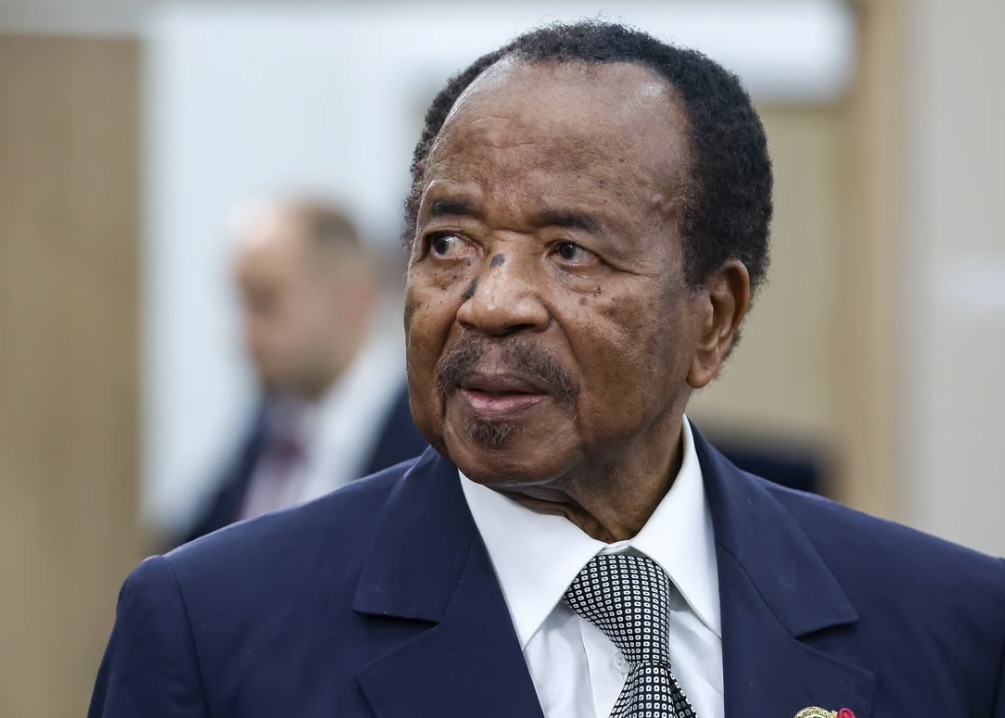
The Cameroon People’s Democratic Movement (RDPC) convened a high-level meeting on Wednesday, marking 45 days since President Paul Biya departed for a private trip to Europe. No official statement has been issued regarding his expected return, fueling growing speculation and unease among political circles.
While the ruling party insists state institutions continue operating normally, opposition figures are demanding transparency about presidential authority and contingency plans for extended absences. The situation has intensified calls for clarity on how power is being exercised during the president’s prolonged stay abroad.

RDPC Secretary-General Jean Nkuete organized the meeting under the banner of an “important working session,” though the agenda remains undisclosed. The presidency initially described Biya’s absence as a “short private stay in Europe” when he left on June 7. Since then, no official communication has confirmed a return date, leaving the public with more questions than answers.
State media continues to publish messages purportedly from Biya, including greetings to French President Emmanuel Macron on Bastille Day and to the Montenegrin president. However, no public appearances or official engagements have been reported since his departure. RDPC propagandist Christophe Mien Zok dismissed rumors of an “autopilot government” in a July 15 editorial, asserting that “power is not vacant” and that “the Lion is not gone.”
Opposition pushes for constitutional review
Political opponents have stepped up pressure for explanations. Deputy Jean-Michel Nintcheu has urged the Constitutional Council to declare a presidential vacancy. Meanwhile, the Cameroon Democratic Union (UDC) avoids speculation about Biya’s personal situation but stresses that national stability cannot depend on silence or assumptions. In an July 18 statement, the party acknowledged that prolonged foreign travel alone does not constitute an absence of power, while questioning how presidential duties are being fulfilled and whether temporary incapacity protocols are being applied.
Legal gaps in handling presidential absences
Cameroon’s constitution lacks clear provisions for extended presidential travel abroad. Analysts argue this legal gray area warrants institutional review, but no timeline exists for when the Constitutional Council should intervene. The UDC also points out that the vice-presidential position, reintroduced in April’s constitutional reforms, remains unfilled. The party advocates for legal reforms to define procedures during prolonged presidential absences. At 93, Biya has made frequent European trips since taking office in 1982, but this latest absence—now the longest on record—has drawn unprecedented scrutiny without official clarification.