
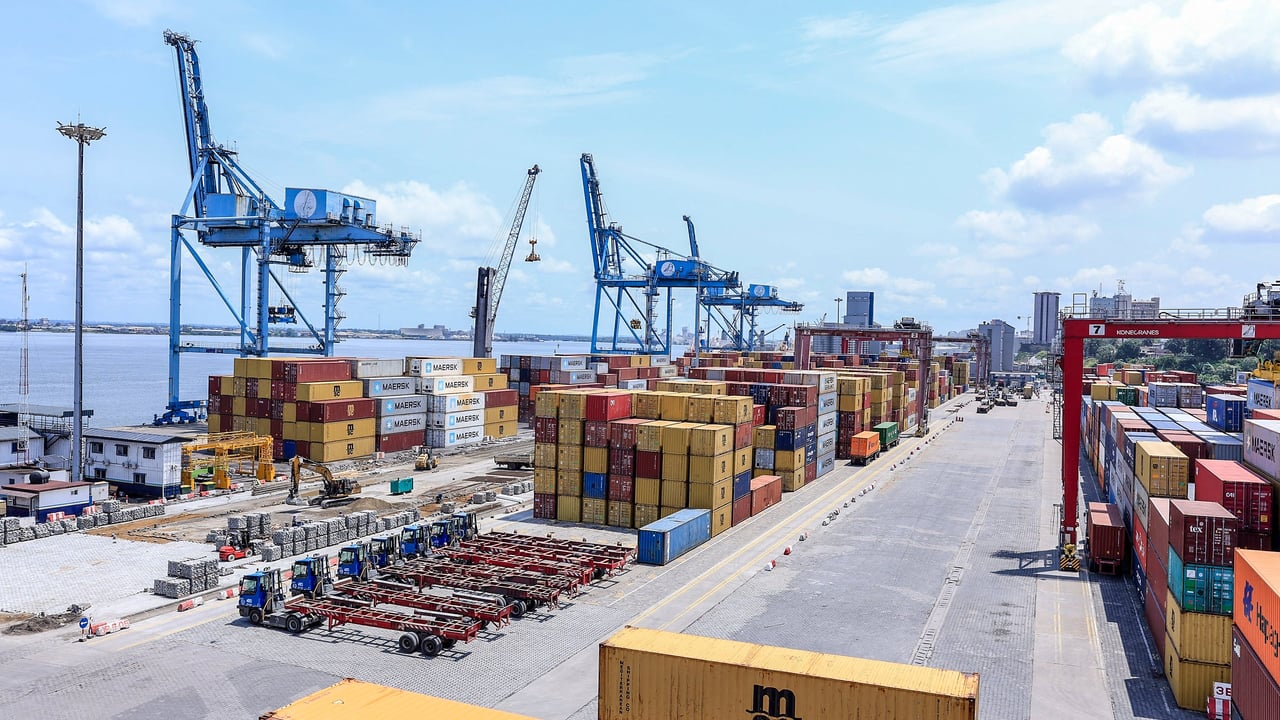
Deep within the corridors of the Douala Autonomous Port, stacks of financial records tell a silent story. Millions in development loans, intended to uplift communities and modernize infrastructure, lie dormant—unused, underutilized, or misallocated. This is not a rare oversight but a recurring challenge that has plagued Cameroon’s journey toward economic growth for years.

Where do Cameroon’s development loans go?
The issue isn’t a lack of funding. Over the past decade, Cameroon has secured billions in loans from international financial institutions such as the World Bank and the African Development Bank. These funds were earmarked for critical projects: road networks linking remote areas to urban hubs, electrification of rural villages, and healthcare facilities in underserved regions. Yet, despite these ambitious goals, the impact on the ground remains minimal.
Interviews with officials and project beneficiaries reveal a pattern of delays, mismanagement, and bureaucratic hurdles. “Funds arrive, but they rarely reach the intended beneficiaries,” says a project coordinator in Douala. “By the time they’re disbursed, priorities have shifted, costs have ballooned, or the project is abandoned entirely.”
Root causes of the crisis
The challenges are multifaceted. First, the disbursement process is often bogged down by red tape. Loan agreements are signed, but the release of funds is delayed by administrative reviews, compliance checks, and negotiations over accountability frameworks. Second, funds are frequently diverted to cover unrelated expenses, such as operational costs in ministries or emergency spending in other sectors.
Third, corruption remains a persistent shadow. While not an official policy, anecdotal evidence suggests that a portion of these loans disappears into opaque networks, enriching a few while leaving projects half-finished or abandoned. The lack of transparency in procurement processes further exacerbates the problem, making it difficult to trace where money ultimately lands.
Consequences for Cameroon’s economy
The consequences are stark. Cameroon’s infrastructure deficit continues to widen, stifling economic potential. Villages without electricity or clean water see little improvement, while urban centers grapple with crumbling roads and inadequate public services. The agricultural sector, a backbone of the economy, struggles with outdated irrigation systems and limited access to markets—despite loans aimed at modernizing the sector.
Meanwhile, the country’s debt burden grows. Servicing these loans drains resources that could otherwise fund education, healthcare, or social programs. The irony is palpable: Cameroon borrows to build its future, yet the future remains out of reach.
Is there a way forward?
Experts argue that structural reforms are long overdue. Streamlining disbursement processes, enforcing stricter accountability measures, and increasing transparency could unlock the potential of these funds. Digital tracking systems, for example, could provide real-time oversight, reducing the risk of misallocation or embezzlement.
Civil society organizations are also stepping up. Advocacy campaigns are pushing for greater public scrutiny of loan agreements, while grassroots initiatives demand that development funds translate into tangible benefits for communities. “It’s not just about borrowing money; it’s about ensuring every franc serves its purpose,” emphasizes a local economist.
The path forward won’t be easy. But with political will and public pressure, Cameroon can turn its “dormant billions” into engines of progress.