
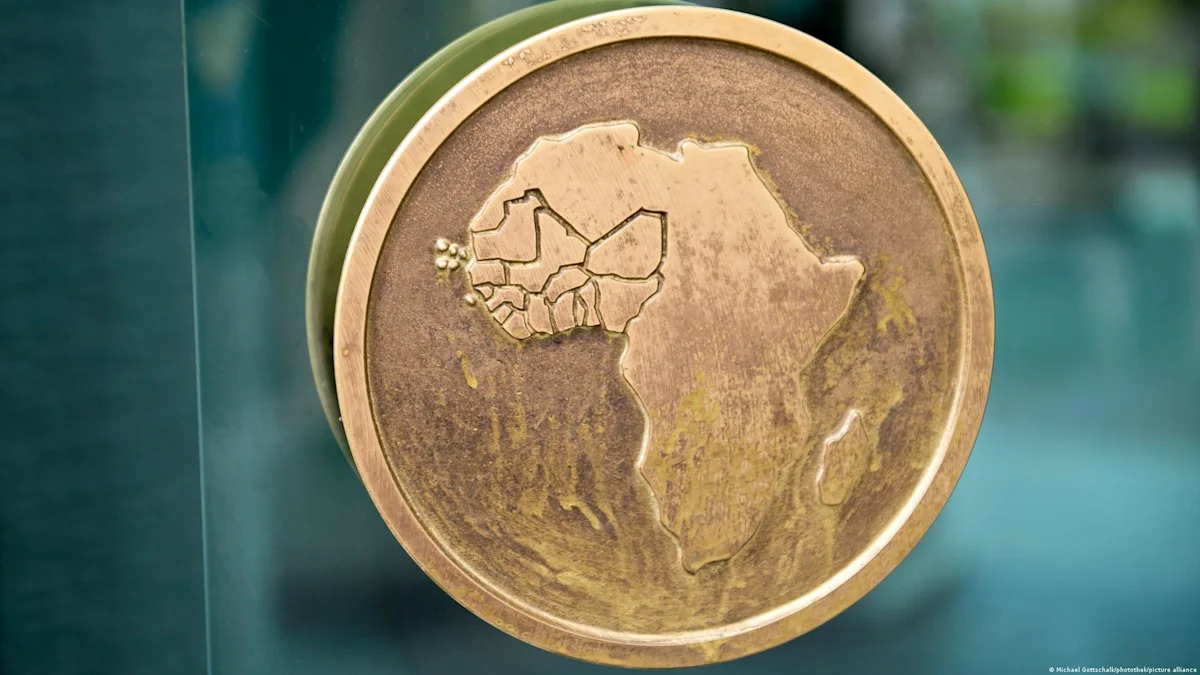
The 69th Economic Community of West African States (CEDEAO) summit in Freetown, Sierra Leone, convened this Sunday at a pivotal moment for the regional bloc. Yet, the gathering unfolded without the participation of three key members: Niger, Mali, and Burkina Faso, which have instead forged their own alliance within the Sahel States Confederation (AES). Security challenges and efforts to restore cohesion dominated discussions as leaders grappled with the bloc’s evolving role.
Reimagining West Africa’s future without Mali, Niger, and Burkina Faso
Beyond symbolic gestures, the summit’s greatest challenge lies in redefining the CEDEAO’s future following the departure of Mali, Niger, and Burkina Faso. These nations, now part of the Sahel States Confederation, remain unavoidable neighbors. Regional leaders must now explore pathways for renewed dialogue to safeguard trade, ease cross-border mobility, and fortify security cooperation against a rising tide of terrorism that knows no borders.
Delayed regional force takes center stage
Among the long-awaited initiatives is the CEDEAO Standby Force, designed to serve as a rapid-response mechanism for terrorism, political crises, and regional instability. Though announced years ago, its full operationalization has yet to materialize—until now. This week’s preparatory meetings in Freetown reflect a growing consensus among member states to accelerate its deployment.
Michel Ange Bangoura, Guinea’s coordinator for CEDEAO affairs, emphasized the bloc’s readiness: “Institutional frameworks are already in place. The remaining hurdle lies in securing the necessary resources and determining where to establish the headquarters or coordinate troop contributions from each country.”
When pressed on a potential timeline, Bangoura remained optimistic: “Discussions during this session will likely focus on an imminent deployment, including the selection of a host nation for initial operations.”
Restoring credibility in turbulent times
With political instability and coups reshaping the West African landscape, the summit also aims to address institutional reforms within CEDEAO. Restoring public trust in the bloc’s ability to address security, governance, and economic challenges has become a priority—one that leaders hope to tackle with renewed urgency.
Regional expert Aliou Diakite highlighted the broader context: “The future of CEDEAO hinges on addressing interconnected crises—organized crime tied to terrorism, post-election governance shifts, climate change, epidemics, and pandemics. These are the pressing issues driving heads of state to rethink the bloc’s trajectory for years to come.”