
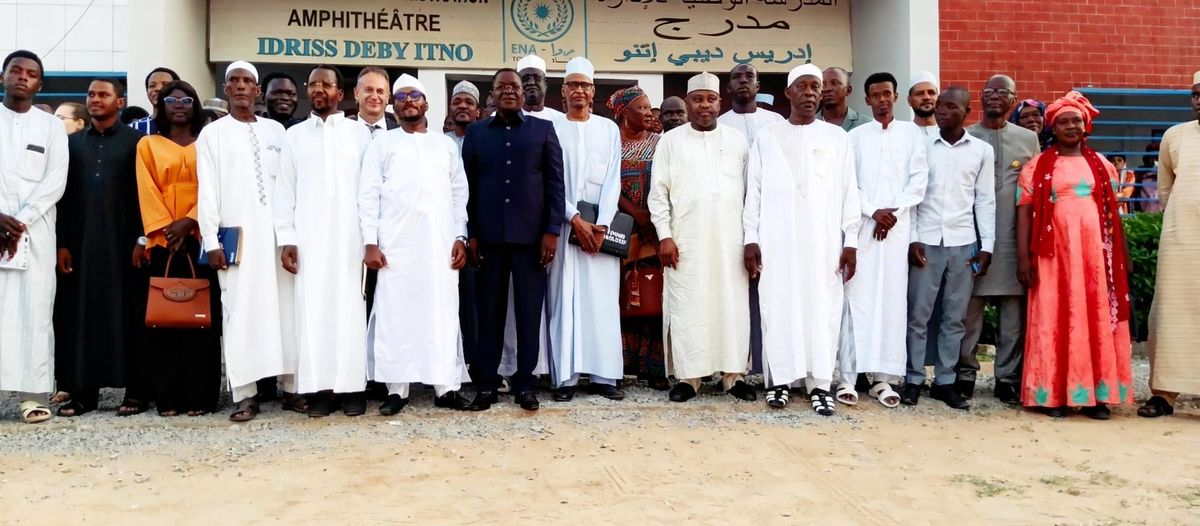
In a compelling address at the Idriss Déby Itno auditorium of the National School of Administration (ENA) in N’Djamena, former Prime Minister and current Senator Albert Pahimi Padacké delivered a powerful critique of Chad’s excessive centralization, calling for urgent reforms to empower provincial councils.
The promise of decentralization
Speaking before a packed audience of civil servants, students, and political figures, Pahimi Padacké framed decentralization as the cornerstone of equitable development. He argued that empowering local councils would allow communities to address pressing needs—education, healthcare, and infrastructure—with greater efficiency and accountability. « Development cannot thrive when every decision must flow from the ministries in the capital, » he emphasized.
The gap between theory and practice
While Chad has formally adopted decentralization policies, the senator highlighted a stark reality: the central government continues to resist relinquishing control. Despite the legal framework, provincial leaders remain hamstrung by financial constraints and administrative interference. « A decentralization policy without financial autonomy is nothing more than an administrative mirage, » he asserted.
The conference underscored a recurring paradox in Chad’s governance: the existence of a progressive legal framework contrasted with a deeply entrenched top-down administration. Pahimi Padacké urged a shift away from what he termed « vertical centrality, » advocating instead for genuine empowerment of provincial authorities.
A call for bold reforms
Pahimi Padacké’s proposals centered on two key demands: first, the unconditional transfer of fiscal and administrative authority to provincial councils; second, a commitment to reducing the capital’s suffocating oversight. He framed these reforms as essential to unlocking local potential and fostering sustainable growth across Chad’s regions.
Reactions from the audience—particularly among future civil servants at the ENA—reflected the urgency of the issue. The debate over decentralization remains one of the most critical and contentious challenges in Chad’s institutional landscape.