
Gabon’s new governance: bridging Libreville and provinces through trust
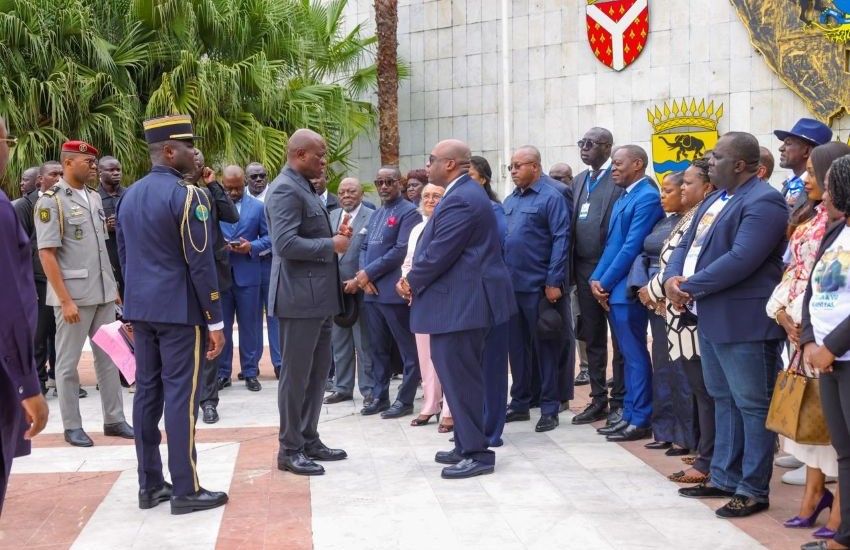
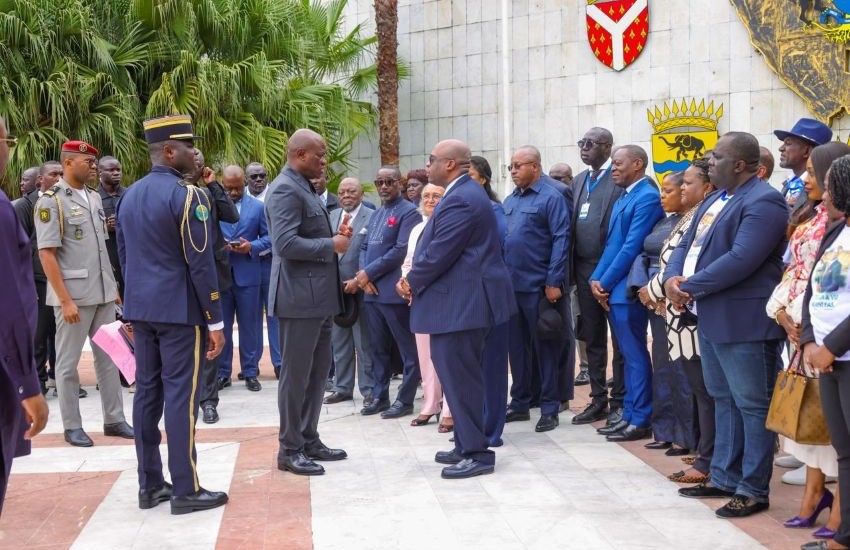
On a rare Wednesday morning in Libreville, 150 delegates from Gabon’s Ogooué-Maritime province stood in the presidential palace, not as visitors, but as witnesses to the nation’s transformation. What began as a routine institutional visit evolved into a bold demonstration of governance that prioritizes transparency and tangible results over empty rhetoric.
Tuesday’s historic meeting between President Brice Clotaire Oligui Nguema and the provincial delegation marked a deliberate shift in how governance is being reimagined in Gabon. After days of firsthand exposure to Libreville’s major development projects, representatives from Port-Gentil, Omboué and Gamba bore witness to a capital city undergoing rapid modernization under the current administration’s vision.
The event transcended mere protocol. It represented a conscious effort to dismantle the psychological and physical barriers between administrative centers and remote territories, while fostering grassroots understanding of national development strategies.
Governance through visible progress
What made this initiative remarkable was its deliberate inclusion of diverse local voices. Mayors, municipal councilors, traditional leaders, neighborhood chiefs, entrepreneurs, influencers and opinion shapers were all invited to experience firsthand the capital’s infrastructural advancements. This wasn’t accidental – it was strategic.
In modern governance, perception is shaped more by what citizens see than by what they’re told. When local leaders personally witness the scale and pace of development, they become credible ambassadors for national policies back in their communities. This approach replaces abstract promises with concrete evidence, effectively bridging the credibility gap that often plagues political communication.
By removing the veil between policy implementation and public observation, the administration demonstrates a commitment to accountability that resonates far beyond political speeches. In a nation where geography has historically divided progress between urban centers and provinces, this method helps cultivate a shared national identity grounded in visible achievements.
Territorial equity as a strategic priority
The most compelling message from President Oligui Nguema’s address was his unequivocal commitment to balanced, inclusive development across all provinces. For decades, Gabon’s development narrative has been dominated by narratives of urban-rural inequality, where investment flows concentrated disproportionately in Libreville while other regions lagged behind.
The President’s insistence that each province would receive infrastructure investments tailored to its unique needs signals a sophisticated understanding of equitable development. Rather than imposing identical solutions nationwide, the government recognizes that Ogooué-Maritime’s strategic importance – with its oil resources and maritime access – demands a development approach that leverages its specific advantages while addressing its particular challenges.
This vision opens possibilities for economic diversification through port infrastructure, tourism expansion and blue economy initiatives that could transform the province’s economic trajectory while maintaining its national significance.
Direct dialogue as a governance tool
The delegation’s request to engage directly with the President received immediate approval, sending a powerful signal about the administration’s openness to grassroots input. In an era where democratic institutions worldwide struggle with declining public trust, Gabon appears to be pioneering a model where governance is strengthened through direct citizen engagement.
This approach deliberately expands the traditional power structure to include local leaders, economic actors, community authorities and opinion influencers in national policymaking. It represents a fundamental shift from top-down governance to a more participatory model where national strategies are enriched by ground-level realities rather than imposed upon them.
The Ogooué-Maritime delegation’s reception thus exemplifies a governance philosophy that values proximity, evidence-based communication and collective responsibility. In a continent where institutional skepticism often undermines reform efforts, Gabon’s emphasis on visible progress and direct dialogue may well become the defining characteristics of its new political era.