
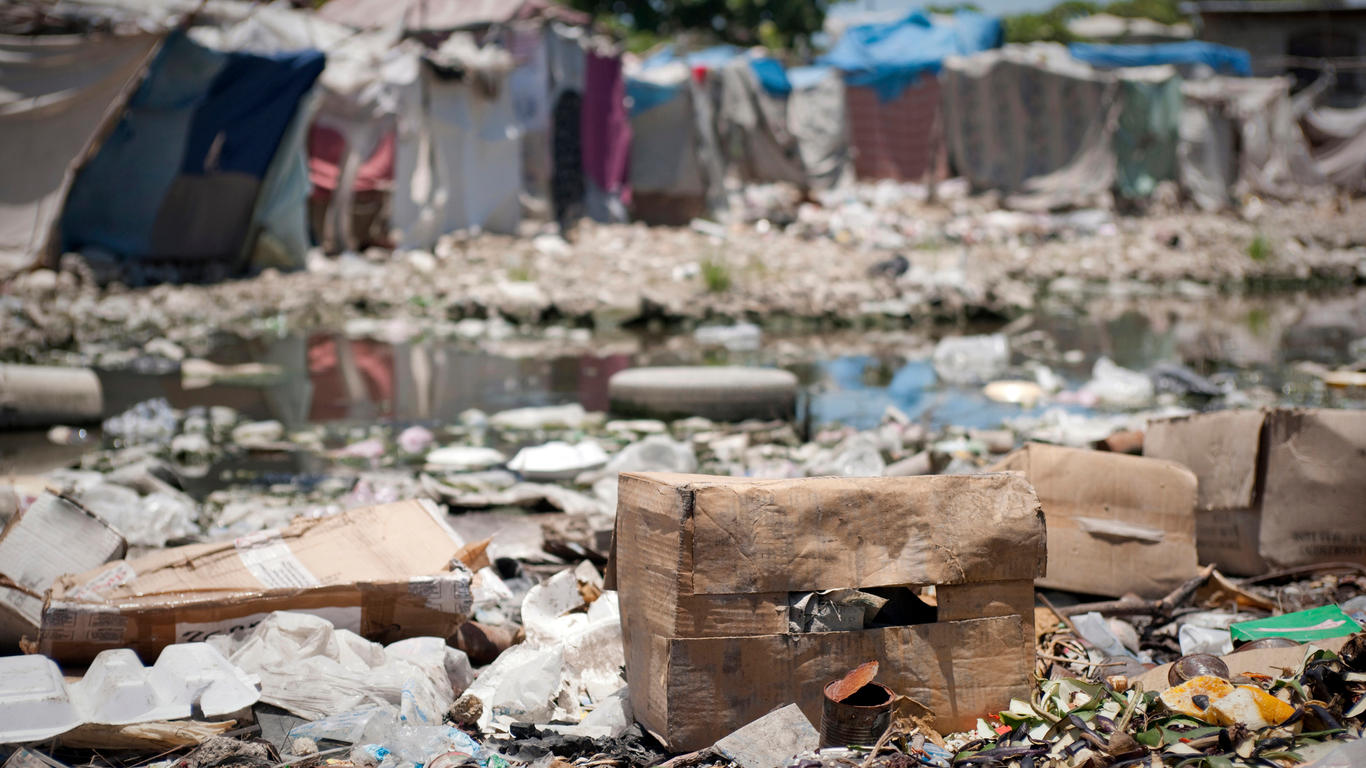
Heavy rainfall along the border separating Niger and Nigéria has sparked a concerning new surge in cholera cases. This acute intestinal infection is caused by bacteria found in contaminated and stagnant water. According to official reports, more than 600 cases have been documented across the impacted regions.

Currently, 400 individuals have successfully recovered, while 156 patients remain under medical supervision. The transmission of the disease, which occurs through tainted water or food, is significantly worsened by inadequate hygiene practices, a shortage of latrines, and failing sewage systems. Improving sanitary standards and educating the public are now top priorities to stop the spread.
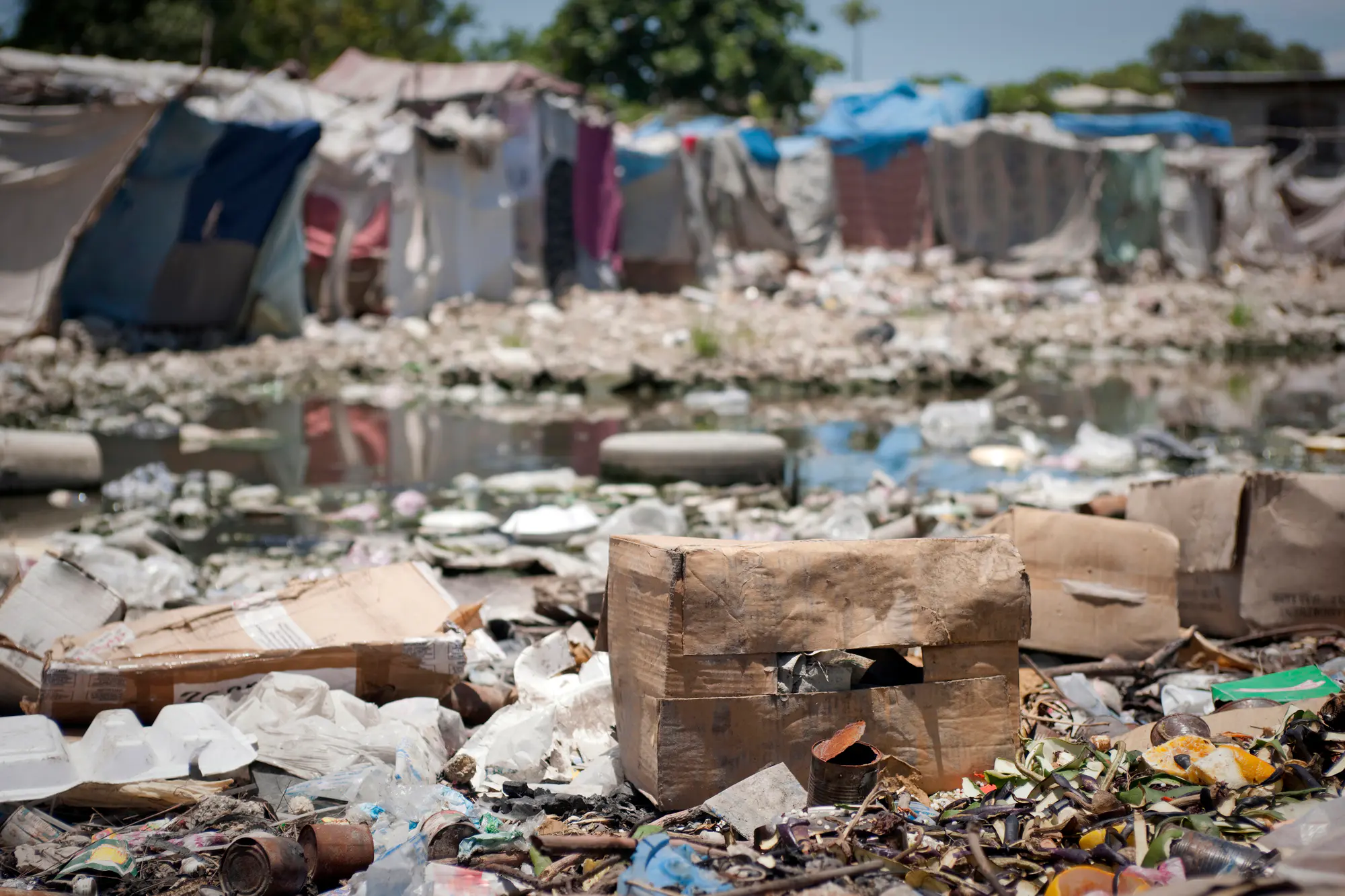
The importance of public awareness
Since the major epidemic of 2018, cholera has appeared sporadically in Niger. However, local populations have gradually lost their natural immunity to the bacteria, making them particularly vulnerable this year. The illness continues to pose a threat in areas where water safety is compromised.
To manage the situation, government officials have established treatment centers in the most affected parts of Niger, where the disease has already claimed at least 19 lives. Health workers are on the ground informing residents about how to prevent infection and highlighting that medical care is available free of charge. While the current rainy season facilitates the spread of the pathogen, the only sustainable solution involves long-term investment in sanitation infrastructure and reliable access to clean drinking water.