
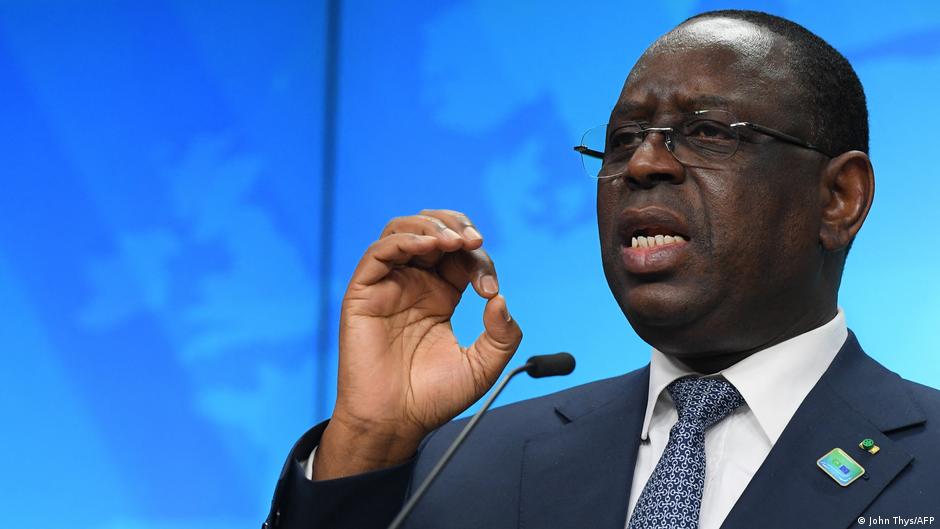
The recent announcement of Macky Sall’s return to Senegal has ignited fierce reactions across the nation. Families of victims of political repression and civil society groups are expressing deep frustration, viewing the visit as a direct affront to justice and memory.
Salimaa Thiam, who lost her son Ousmane Dia during the 2021 political unrest under Sall’s presidency, shares her pain. “Hearing that Macky Sall is coming back to Senegal reopens wounds that have barely begun to heal,” she says. “My son’s death was a tragedy I still mourn. We don’t want him here—he bears responsibility for our suffering.”
Mabinta Bibi Djiba, a former political detainee released under electronic monitoring after two imprisonments in 2021 and 2024, argues that President Bassirou Diomaye Faye should prioritize accountability before reconciliation. “Talking about reconciliation is meaningless without first addressing who is responsible,” she states.
political tensions rise over sall’s return
Guy Marius Sagna, a deputy from the Pastef party, condemns what he calls a betrayal by the current administration. He accuses President Faye of enabling Sall’s potential bid for the UN Secretary-General position while failing to deliver justice to victims. “The president swore he would never let us down, yet here we are—welcoming the architect of torture, political assassinations, and unlawful detentions,” he declares.
Adama Sadio, a political science professor at the Cheikh Anta Diop University in Dakar, highlights the political dimensions of the controversy. “Victims are often labeled based on their political affiliations—either as Pastef supporters or opponents. Any move that undermines President Faye or puts him in a difficult position will be exploited,” he explains.
The collective of Sall’s victims condemns the government’s decision to allow his visit, calling it an insult to those persecuted during the 2021 and 2024 crackdowns.