
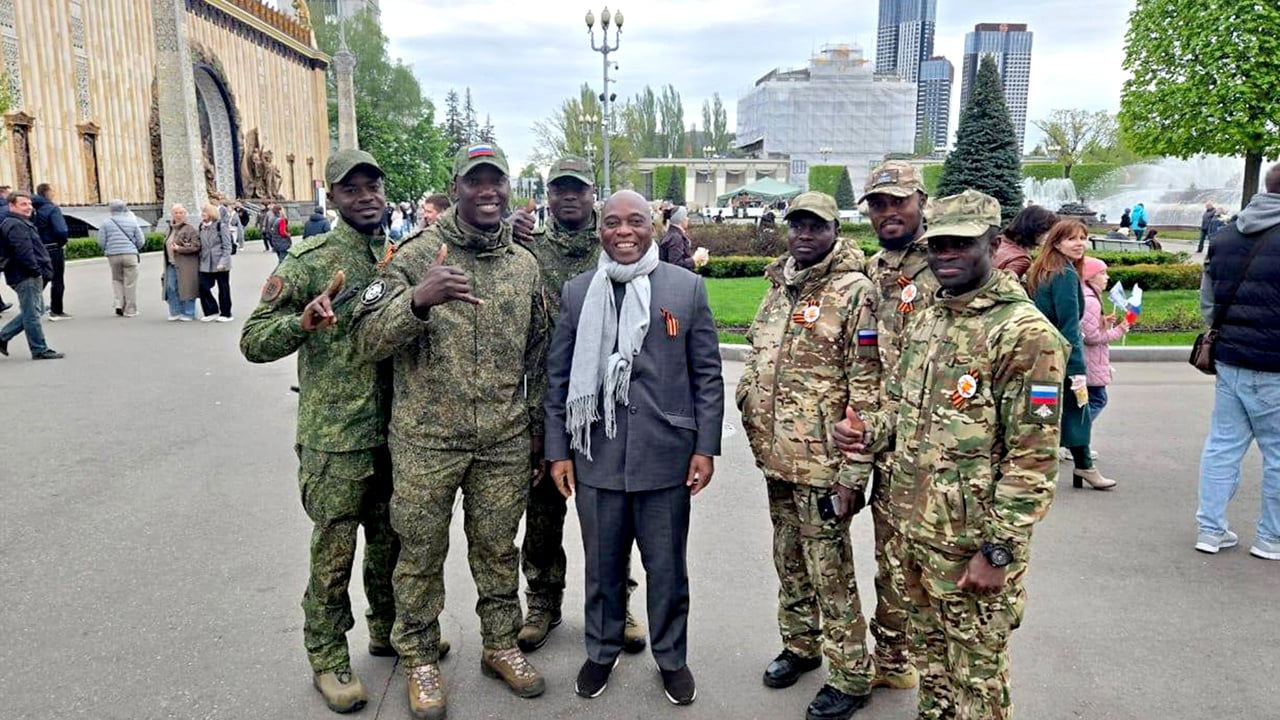

On May 11, 2026, Côte d’Ivoire’s senior official Ahoua Don Mello undertook a discreet yet significant diplomatic mission to Moscow. This visit, conducted outside the public eye of the Parti Patriotique Africain (PPA-CI), signals a strategic pivot in Abidjan’s foreign policy approach toward Russia.
The Côte d’Ivoire Russia relations have remained largely underreported in recent diplomatic circles. However, this Moscow trip underscores a deliberate effort to diversify the country’s international partnerships. While traditional partners like France and the European Union continue to play key roles, Abidjan appears to be exploring new avenues to strengthen its economic and geopolitical standing.
diplomatic engagement beyond conventional partners
The meetings held in Moscow were not merely ceremonial. Behind closed doors, discussions focused on bilateral cooperation in sectors critical to Côte d’Ivoire’s development agenda. Key areas of interest included agricultural technology transfers, energy infrastructure projects, and security sector collaborations.
These deliberations reflect a broader trend among African nations seeking to balance relationships with Western powers and emerging global players. For Côte d’Ivoire, engaging with Moscow could provide leverage in negotiations with traditional partners, particularly in trade and investment discussions.
implications for Côte d’Ivoire’s economic strategy
The timing of this visit is particularly noteworthy. With Côte d’Ivoire’s economy poised for transformation, diversifying partnerships is no longer optional but essential. Russia’s expertise in oil and gas exploration and its willingness to invest in infrastructure development present compelling opportunities for Abidjan.
Moreover, Moscow’s experience in agricultural mechanization aligns with Côte d’Ivoire’s ambition to boost productivity in its cocoa and cashew sectors. Such collaborations could enhance the country’s food security while reducing reliance on external aid.
The absence of PPA-CI from these proceedings raises questions about the party’s stance on this diplomatic outreach. While the government has not issued an official statement, the move suggests a nuanced approach to foreign policy—one that prioritizes national interests over partisan alignments.
what’s next for Côte d’Ivoire and Russia?
Following Ahoua Don Mello’s visit, both sides have hinted at further engagements. While no concrete agreements have been announced, the momentum is undeniable. Observers suggest that upcoming high-level delegations from both countries could finalize frameworks for cooperation in the coming months.
The visit also serves as a reminder of Côte d’Ivoire’s evolving role on the continental stage. As one of West Africa’s most stable economies, Abidjan is increasingly positioning itself as a key player in shaping regional policies and economic partnerships.
For now, the full extent of this Moscow trip’s outcomes remains to be seen. However, one thing is clear: Côte d’Ivoire is actively recalibrating its diplomatic strategy, and Russia is firmly on the map as a potential partner.