
New study reveals path to aligning vocational training with market realities
In a significant step toward solving the mismatch between education and employment, the National Agency for Vocational Training (AGEFOP) presented a comprehensive study in Abidjan on Thursday, June 18, 2026. This report is a cornerstone of the national Passeport-Compétences program, an initiative designed to ensure that the skills possessed by young Ivorians directly mirror the actual needs of the national economy.
The pilot phase of this research focused on three specific areas: the Sud-Comoé region, the municipality of Yopougon, and the District des Savanes. By engaging with more than 800 entities across both the formal and informal sectors, the study successfully mapped out the real-world requirements of the labor market. Following this successful trial, the program is now set for a nationwide rollout.
Strategic focus on human capital
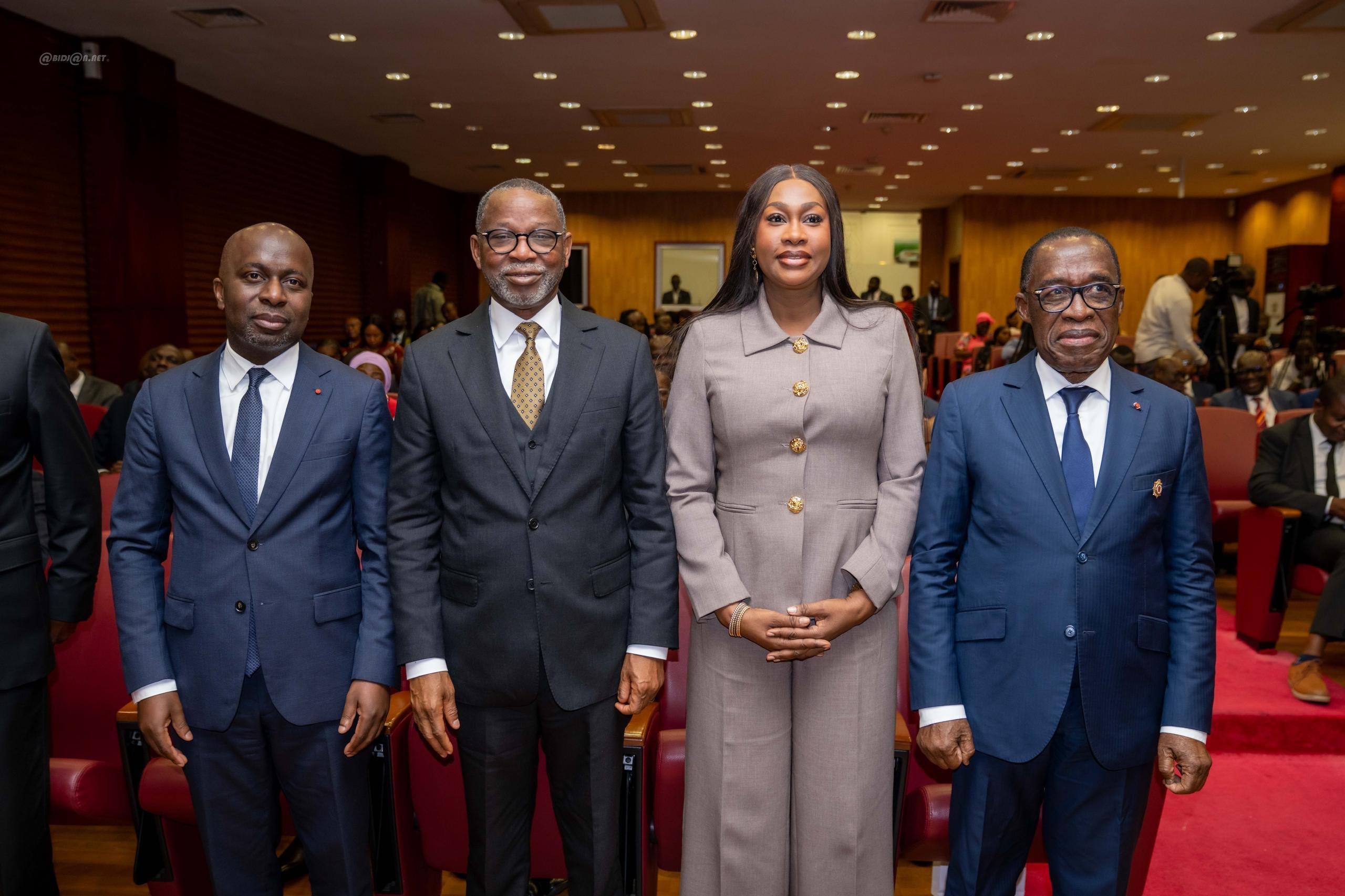
Dr. Eugène Aka Aouélé, President of the Economic, Social, Environmental, and Cultural Council (CESEC), presided over the presentation. He emphasized that identifying the precise needs of the economic fabric allows the government to move away from guesswork and toward data-driven solutions for employment. “Aligning training with employment is not a dream; it is a methodical construction based on tangible data,” he remarked, noting that President Alassane Ouattara has consistently prioritized youth employability on the national agenda.
The Passeport-Compétences initiative goes beyond traditional schooling by certifying practical experience. For the CESEC, this represents a major advancement in valuing human capital. The program serves as a pact of trust between the State and the youth, ensuring that professional competence becomes a primary asset for success.
Amplifying economic growth through qualification
Maître Adama Kamara, the Minister of Employment, Social Protection, and Vocational Training, clarified that this national program is intended to amplify existing momentum rather than correct past failures. The objective is to translate economic growth into high-quality jobs by identifying skill gaps across Côte d’Ivoire and integrating trained beneficiaries into the workforce.
The Minister outlined several key actions following the study’s findings:
- Updating educational curricula to match employer requirements.
- Directing training resources toward sectors and regions with the highest deficits.
- Validating prior experience for informal sector workers to ensure professional justice.
- Strengthening ties between private enterprises, local authorities, and state services.
Vocational training as a strategic investment
Karitia Coulibaly De Medeiros, Director General of AGEFOP, highlighted that vocational training is no longer viewed as a mere social expense but as a strategic investment in national competitiveness and sustainable prosperity. She explained that the Passeport-Compétences program introduces a new way of connecting training with local territories and the broader economy.
“We cannot train effectively without knowing exactly what skills a territory or a company needs,” De Medeiros stated. By listening to businesses and analyzing evolving trades, AGEFOP aims to create a common language between all stakeholders, including technical partners and public authorities. The ultimate goal is to allow every Ivorian to transform their potential into a recognized skill, serving as a “passport” to financial independence and professional dignity.
Initially launched in March 2025 in Grand-Bassam, the Passeport-Compétences program remains a central pillar of the national strategy to develop human capital and facilitate long-term integration into the labor market.