

Côte d’Ivoire vs Ghana: which West African giant leads in economic growth?
The latest projections from the International Monetary Fund reveal a shifting balance of power in West Africa’s economic landscape. While Côte d’Ivoire has long been hailed as the region’s economic powerhouse, recent data suggests Ghana may be overtaking its neighbor in terms of sheer economic output.
According to these forecasts, Ghana’s Gross Domestic Product (GDP) for this year is expected to hit $118 billion, outpacing Côte d’Ivoire’s projected $110 billion. This milestone marks a significant shift in the two nations’ economic trajectories, raising questions about what factors are driving this change and what it means for regional trade and investment.
Why Ghana’s economy is gaining momentum
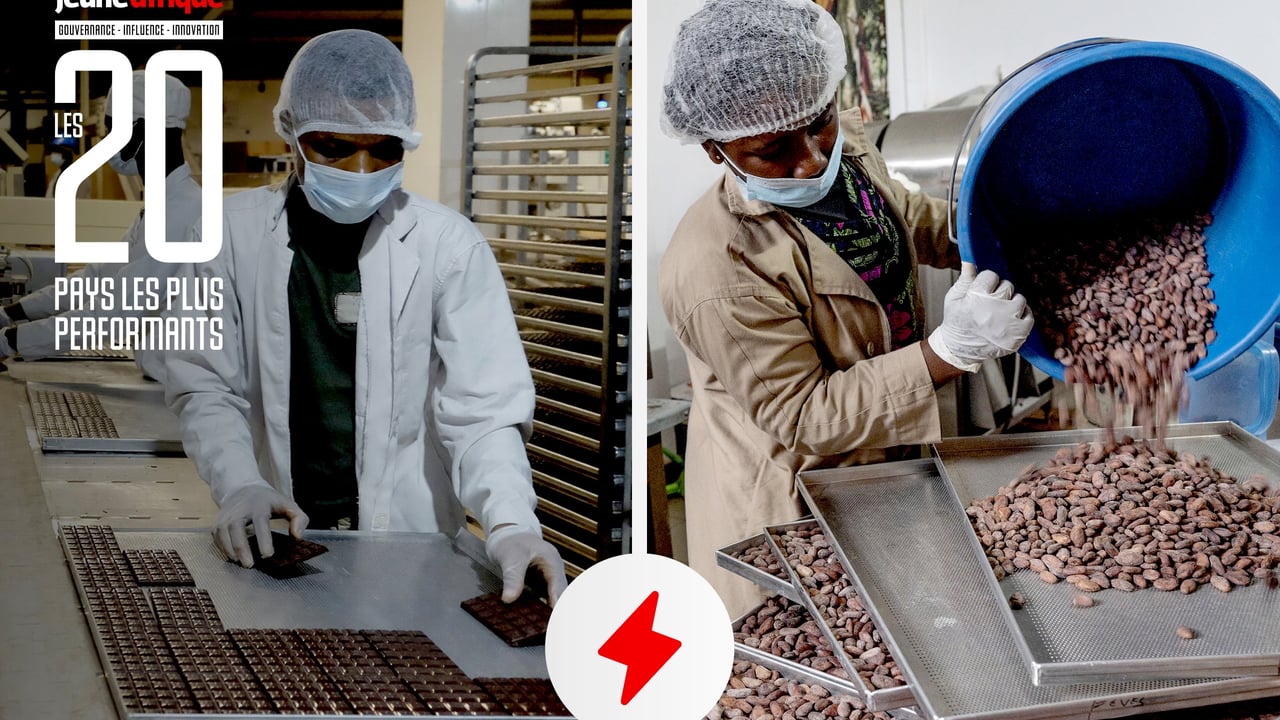
Ghana’s economic growth has been fueled by several key sectors. The country’s oil and gas industry, which has expanded rapidly in recent years, remains a major contributor. Additionally, Ghana’s agricultural sector—particularly cocoa production—continues to thrive, providing a stable revenue stream. Government policies aimed at diversifying the economy and attracting foreign investment have also played a crucial role in this upward trend.
Côte d’Ivoire’s economic strengths and challenges
While Côte d’Ivoire trails slightly in GDP terms, its economy remains one of the most dynamic in Africa. The country benefits from a robust agricultural sector, with cocoa and cashew exports ranking among the world’s highest. Infrastructure development, including ports and highways, has further strengthened its position as a regional trade hub.
However, Côte d’Ivoire faces challenges such as political instability in neighboring regions and the need for further industrialization. Despite these hurdles, the country’s long-term growth prospects remain strong, supported by a young and growing population.
What this means for investors and businesses
For investors, the shifting dynamics between Côte d’Ivoire and Ghana present new opportunities. Ghana’s rising GDP could attract more foreign capital, particularly in sectors like technology, renewable energy, and manufacturing. Meanwhile, Côte d’Ivoire’s strategic location and established trade networks make it an attractive destination for businesses looking to expand in West Africa.
Both nations offer unique advantages, and the competition between them could drive further economic progress across the region. As Ghana inches ahead in GDP terms, Côte d’Ivoire’s focus on infrastructure and industrial growth may help it reclaim its position as West Africa’s top performer in the years to come.