
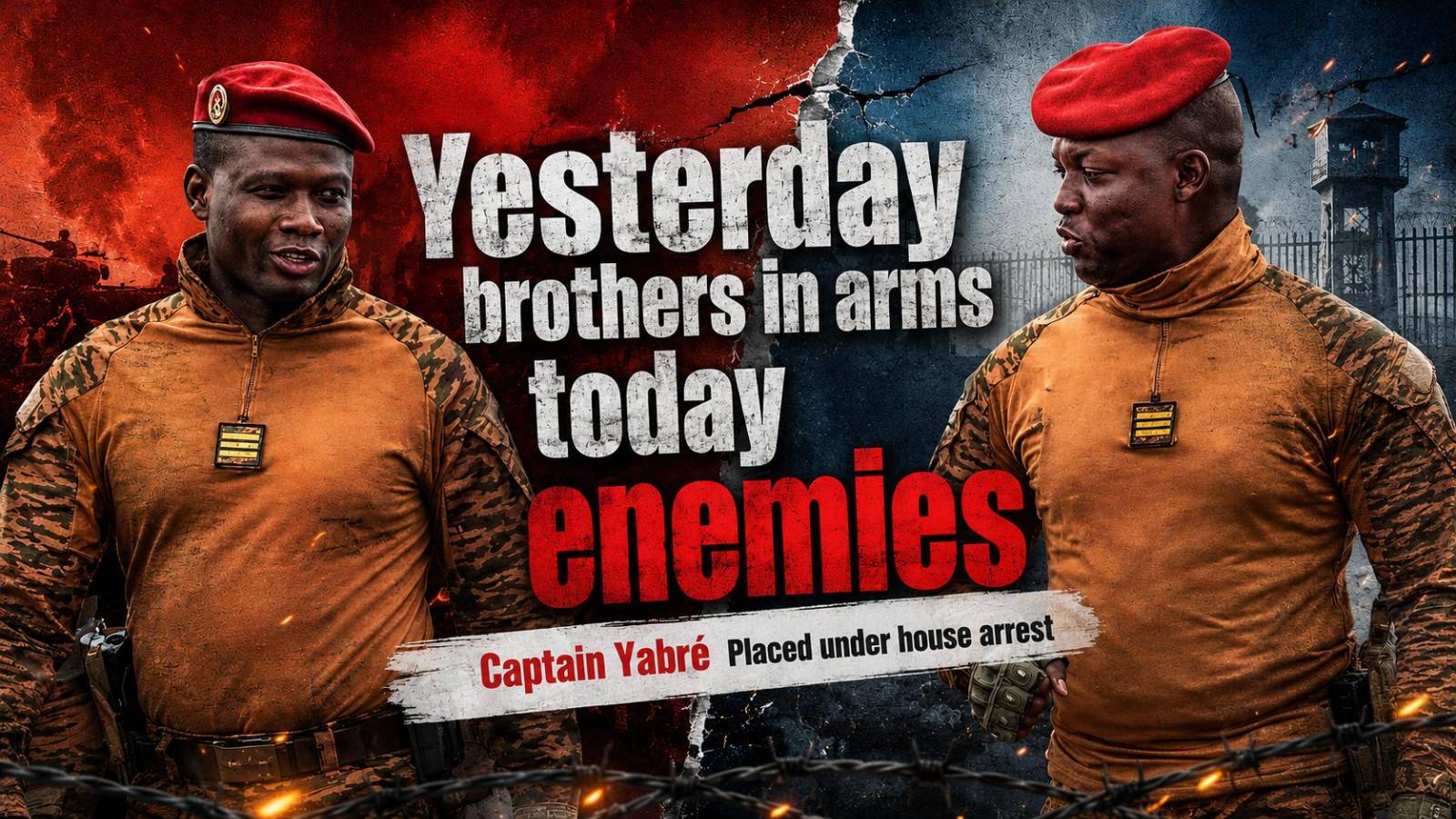
The Burkina Faso transition government under Captain Ibrahim Traoré has reached a critical juncture.
Once hailed by supporters as a reformist leader, the military head of state now governs with increasing authoritarianism, suppressing dissent from civil society, religious institutions, and even his own military inner circle. In Ouagadougou, palpable tension grips the capital as recent developments during Eid al-Adha suggest the regime’s stability is unraveling.
Eid al-Adha under a shadow of repression
The sacred observance of Eid al-Adha, a time traditionally marked by unity and reflection, exposed the government’s deepening insecurity.
Religious leader’s arrest sparks outrage
The detention of a respected imam during the holy week sent shockwaves through a population already burdened by prolonged instability. The move, widely condemned as an assault on religious freedom, underscores the regime’s willingness to dismantle societal trust to silence opposition.
Forced conscription and punitive measures
Meanwhile, protestors and critics arrested in recent weeks have been subjected to forced enrollment in re-education camps and frontline deployments. This militarization of punitive action underscores the state’s transformation into an apparatus of coercion rather than governance.
Intelligence purge signals regime’s internal fractures
The most consequential development remains the reported house arrest of Oumarou Yabré, Director of the National Intelligence Agency (ANR). While official channels remain silent, credible accounts indicate a definitive rupture within the highest echelons of power.
Captain Traoré, as Head of State and Transition President, continues to centralize authority while harboring deep-seated suspicion toward even his closest allies. Yabré, a key architect of the junta’s security framework and a facilitator of Russian influence networks in Burkina Faso, now faces allegations of dissent or strategic disagreements regarding external partnerships.
This internal purge reveals the extent of paranoia gripping the transitional leadership. By targeting those who once fortified his regime, Traoré weakens his own foundations.
A looming power struggle within the military elite
The brewing confrontation between Traoré and Yabré reflects long-simmering tensions among Burkina Faso’s security apparatus. Analysts had foreseen such discord for months, as rivalry over control of state institutions collides with the relentless pressure of armed terrorist groups.By alienating religious leaders, civilians, and now his military allies, Captain Traoré isolates himself at a precarious moment. Historical precedents from West Africa demonstrate that regimes sustained solely through fear and internal purges inevitably hasten their own demise. The stakes in Ouagadougou have never been higher, and the coming days will determine the nation’s trajectory.