
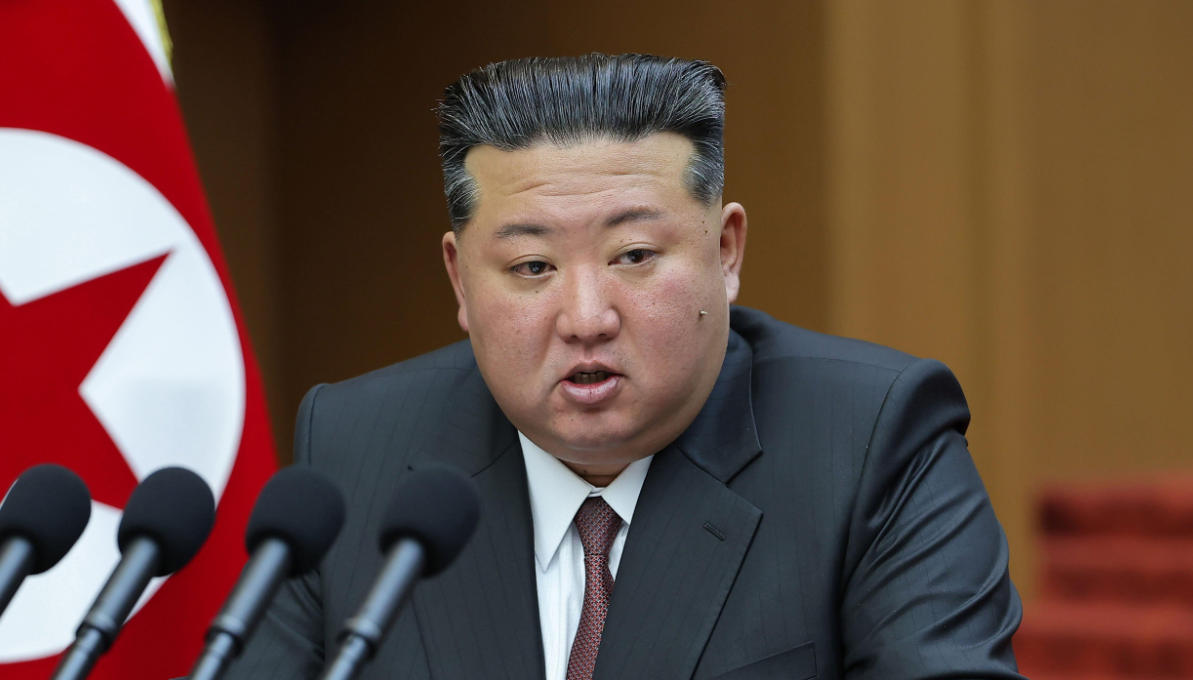
Rumors swirling around the health of North Korea’s Supreme Leader Kim Jong-un have intensified after unverified reports suggested he suffered a severe brain hemorrhage and was rushed to China for emergency treatment. While these claims gained traction on social media, no official confirmation has emerged from Pyongyang or Beijing, leaving global observers in a state of uncertainty.
How did the rumors begin and why do they spread so quickly?
Initial claims originated from online posts, with some pointing to a dissident source based in the United States who cited an alleged brain hemorrhage followed by a coma. According to these reports, Kim Jong-un was evacuated to Beijing—specifically to the Peking Union Medical College Hospital, a facility known for advanced care. The notion that North Korea’s medical infrastructure was inadequate for such a crisis was cited as the reason for the transfer.
However, without verifiable public evidence, these claims remain unconfirmed. The rapid amplification of unverified information in relation to a reclusive leader mirrors past episodes of speculation that have periodically gripped international media.
Why does the official silence fuel speculation?
The North Korean regime tightly controls information about its leadership, especially regarding matters as sensitive as health. Any prolonged absence from public view—even for routine reasons—can trigger wide-ranging conjectures about the stability of the regime.
Yet, the absence of official statements does not equate to confirmation of a medical crisis. Until credible, independently verified information becomes available, observers must treat such reports with caution and avoid drawing premature conclusions.
An image released by state media attempts to counter the narrative
To counter the growing speculation, North Korea’s state media released images purportedly showing Kim Jong-un attending a public event on October 19, accompanied by his daughter, Ju-ae. While this development provides a visual update, it does not dispel doubts about his current medical status. The authenticity and timing of the photos remain unverified, leaving room for continued skepticism.
The recurring question: is Kim Jong-un’s health truly at risk?
Speculation about his physical condition is not unprecedented. Since assuming power in 2011, his public appearances, weight fluctuations, and lifestyle have been closely scrutinized by international analysts. Earlier assessments—some attributed to South Korean intelligence—have raised concerns about cardiovascular risks, though none confirm a recent brain hemorrhage.
The historical context adds weight to the discussion. Both his father, Kim Jong-il, and grandfather, Kim Il-sung, died while in office, each leaving behind a tightly controlled succession process. These precedents heighten global sensitivity to any signs of instability in Pyongyang.
What could happen if Kim Jong-un is unable to lead?
If the rumors reflect a real and lasting incapacitation, North Korea may face a period of political uncertainty. Power in the country is highly centralized, resting in the hands of a small elite. While his sister, Kim Yo-jong, holds significant influence, and his daughter’s growing visibility has fueled succession discussions, no clear successor has been officially named.
The implications would be closely monitored by regional and global actors—including China, South Korea, the United States, and Japan—given the high-stakes nature of North Korea’s nuclear program and broader security dynamics in East Asia.
Until verified information emerges, the international community must exercise restraint. Without concrete evidence, these reports should be treated as unconfirmed claims rather than established medical facts.