
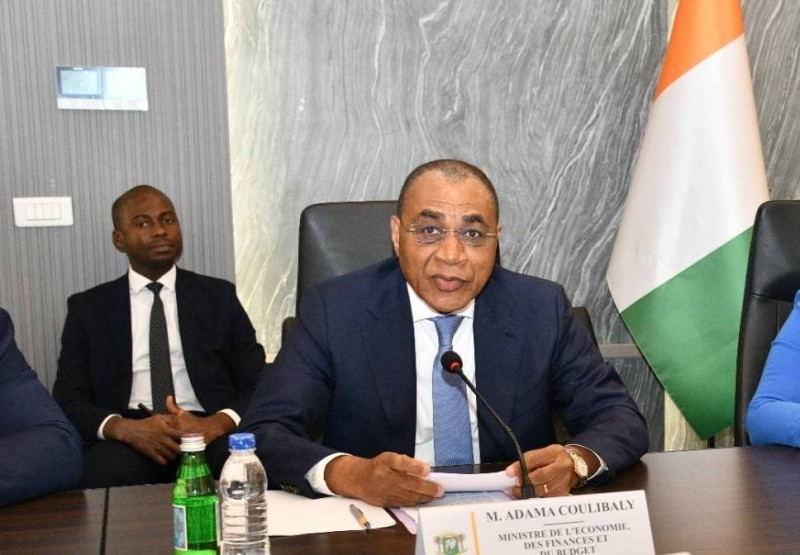
In a stern advisory issued from Abidjan, Côte d’Ivoire’s Ministry of Economy, Finance and Budget has raised the alarm over a surge of online scams promising unrealistic monthly earnings. The warning targets deceptive advertisements circulating across social media platforms, which falsely claim to represent official government programs.
How the fraudulent schemes operate
Cybercriminals behind these operations have intensified their efforts to lure unsuspecting citizens with enticing offers. Their strategy involves fabricating promotional content that supposedly guarantees substantial income—sometimes as high as two million West African CFA francs per month—with minimal effort required from the participants.
These fraudulent campaigns rely on sophisticated deception tactics, including the unauthorized use of official government branding. Scammers frequently impersonate high-ranking officials, particularly the Minister of Economy, Finance and Budget, by replicating their visual identity or attributing fabricated statements to them. This calculated approach aims to lend an air of legitimacy to their schemes.
Risks and consequences for victims
The consequences of falling prey to these scams extend beyond financial loss. Victims risk severe personal data breaches, including identity theft, bank account compromise, and exposure to blackmail. The Ministry emphasized that these fraudulent activities pose a growing threat to public safety and financial security in Côte d’Ivoire.
Government response and public advice
In response to the escalating threat, the Ministry has initiated coordinated efforts with law enforcement to identify, apprehend, and prosecute the perpetrators. Authorities are also urging citizens to exercise extreme caution when engaging with online offers, especially those demanding personal or financial information.
The government strongly advises the public to verify the authenticity of any financial opportunity before committing to participation. This includes cross-checking claims with official sources and avoiding sharing sensitive details with unverified entities. The Ministry stressed that no legitimate government program operates through unsolicited online advertisements or promises of guaranteed income without service provision.
This warning comes amid a broader rise in digital fraud across West Africa, where social media has become a primary tool for cybercriminals to spread misinformation and execute scams. Authorities in Côte d’Ivoire are encouraging citizens to remain vigilant and report suspicious activities to help curb the spread of these fraudulent schemes.