
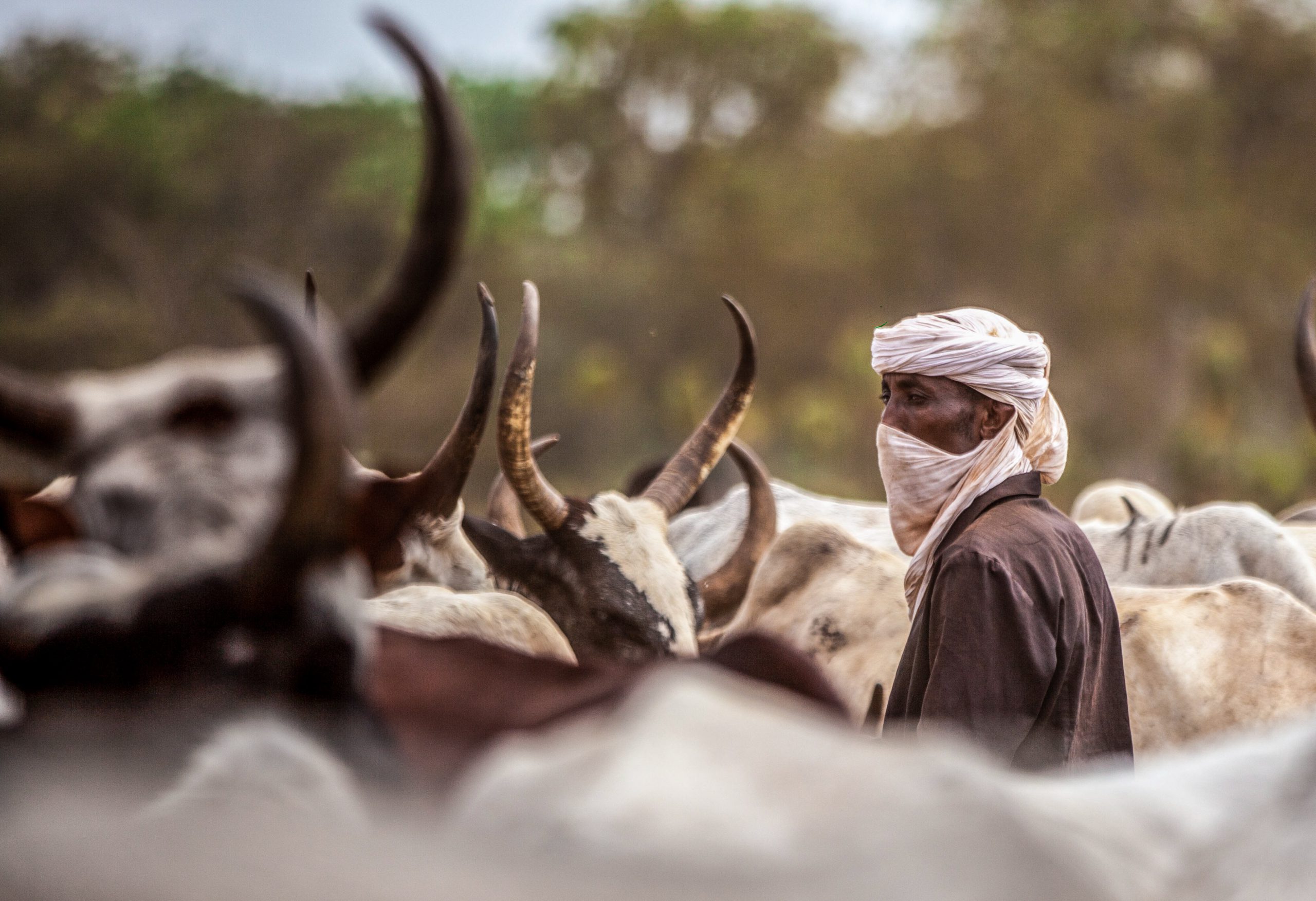
Deadly clashes between herders and farmers in Chad amid climate crisis
Chadian authorities have failed to protect victims of deadly armed clashes between herders and farmers or uphold their rights to truth, justice, and reparations, according to a new report.
In “Living by the land and dying for it: human rights violations in farmer-herder conflicts in Chad”, Amnesty International documents seven violent incidents—driven largely by climate pressures—across four provinces between 2022 and 2024. These clashes resulted in 98 deaths, over 100 injuries, and left hundreds of families homeless and without income. Thousands more have been affected by such violence in recent years, based on UN data.
«Authorities continue to fall short in adequately safeguarding communities from recurring violence between herders and farmers. Security forces often respond too late, and suspects in killings, looting, and property destruction are rarely brought to justice. This fuels impunity and deepens feelings of marginalization among affected groups,» said Agnès Callamard, Amnesty International’s Secretary General.
Climate pressures fuel deadly farmer-herder violence
On August 26, 2019, in Sandana village, Moyen-Chari, a dispute over cattle entering a field escalated into a deadly clash: seven people were killed, eight injured, and over 140 cattle stolen. Just three years later, on February 9, 2022, another attack in the same village claimed 13 lives.
Less-publicized incidents include the August 30, 2024 attack in Pala Koudja, Logone Occidental. After repeated cattle incursions into farmland triggered violent confrontation, three were killed and seven wounded. Later that night, unidentified assailants set fire to 53 homes.
Underlying tensions stem from rapid population growth, climate-driven environmental shifts that disrupt livestock migration routes, and fierce competition over dwindling natural resources.
Climate change will only intensify these conflicts. Structural, human-rights-based solutions are urgently needed to break this cycle.
Agnès Callamard, Secretary General, Amnesty International
As temperatures rise in central Chad, many herders are forced southward in search of grazing land, while farmers expand and diversify production. Violent confrontations often erupt when livestock trample crops or block traditional migration paths, disrupting entire communities.
“We laid bodies on the road in protest”
Despite community alerts and increased public security budgets since 2022, authorities struggle to respond promptly. In May 2023, the then-Minister of Public Security acknowledged «delays in intervention when villages come under attack.»
A community leader from Logone Oriental shared: «We’ve faced issues with herders since 2014. I reported it to local chiefs and sub-prefects, but nothing was done. In 2023, armed men raided our village—18 dead and 11 injured. In despair, we laid the bodies on the road to demand action.»
While conflict-prevention mechanisms exist, poor coordination and structural weaknesses undermine their effectiveness. Reports also allege that some local officials own livestock and entrust it to armed herders, compromising neutrality and enabling abuse.
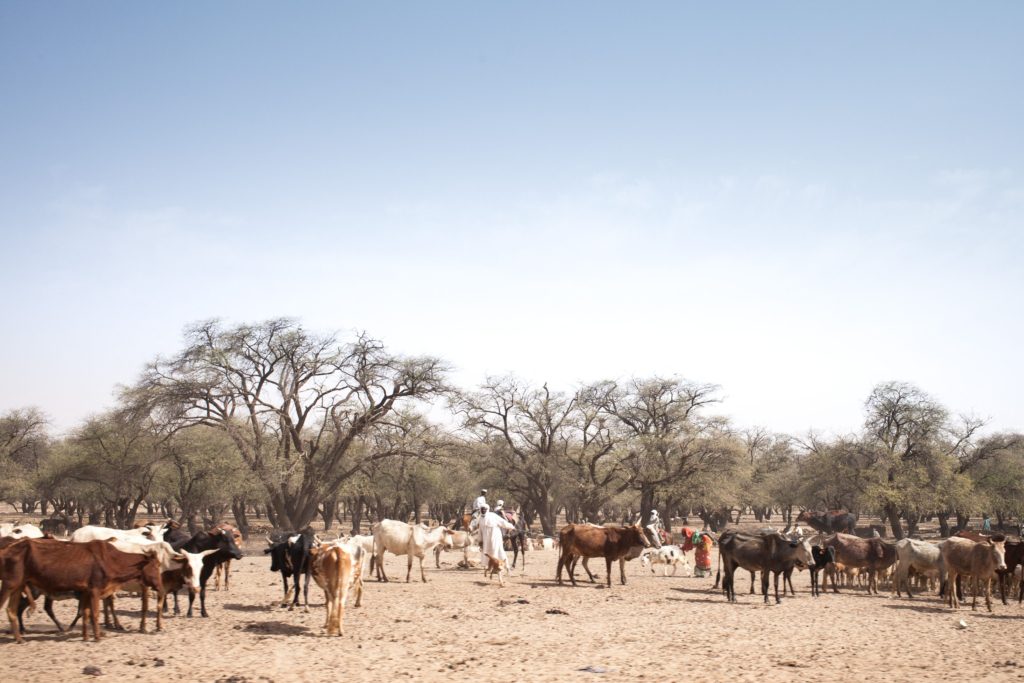
A call for urgent, rights-based solutions
Despite multiple prosecutions in farmer-herder violence cases, impunity remains widespread. Of the seven documented waves of violence in the report, only three led to trials, resulting in just 37 convictions.
«Under regional and international human rights law, the Chadian state must ensure everyone’s safety, investigate crimes thoroughly, hold perpetrators accountable, and guarantee victims access to justice,» said Agnès Callamard.
«Climate change will only intensify these conflicts. We urgently need structural, rights-based solutions: stronger law enforcement presence, proactive disarmament policies, clear legal frameworks for transhumance, revitalized joint conflict-prevention committees, and a robust national climate adaptation plan,» she added.