
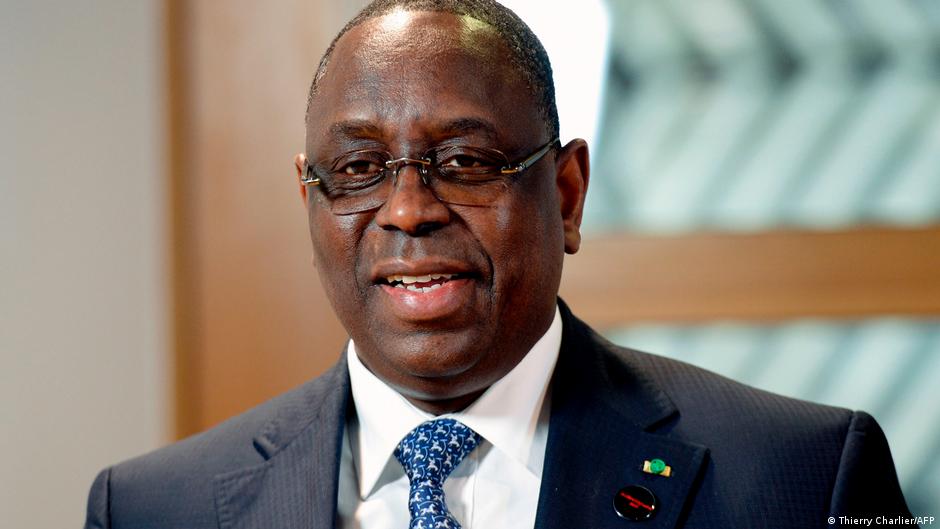
The upcoming meeting between Senegalese President Bassirou Diomaye Faye and his predecessor Macky Sall has ignited fierce backlash, particularly from families of victims of political repression during Sall’s tenure. These families, still awaiting justice and reparations, view the visit as untimely and deeply unjust.
Why the controversy?
The timing of this meeting is highly contentious. Critics argue it occurs while victims’ families continue to demand accountability for state-led violence between 2021 and 2024, when Sall was in power. These years were marked by violent clashes between protesters and security forces, leaving a trail of unresolved grievances.
Political implications for Senegal
The meeting raises critical questions about national reconciliation and the direction of Senegal’s political landscape. Political analyst Assane Samb highlights that this visit, while diplomatically significant, risks deepening existing divisions within society.
International recognition vs. domestic unease
Samb notes that the meeting will likely be welcomed by many African heads of state, particularly as Sall pursues his candidacy for UN Secretary-General. However, domestically, the move risks fueling political polarization, with many citizens fearing a resurgence of Sall’s influence.
Justice delayed, resentment grows
For victims’ associations, the meeting symbolizes a failure to address past abuses. Human rights groups have repeatedly criticized Sall’s administration for its handling of public protests and the suppression of dissent. The lack of accountability has left deep scars, and this visit is seen as a painful reminder of unfulfilled promises.
Can reconciliation coexist with justice?
The political calculations behind this meeting are complex. While some argue it could pave the way for dialogue, others warn it may further alienate segments of the population still seeking truth and reparations. The outcome could reshape Senegal’s political dynamics in unpredictable ways.