
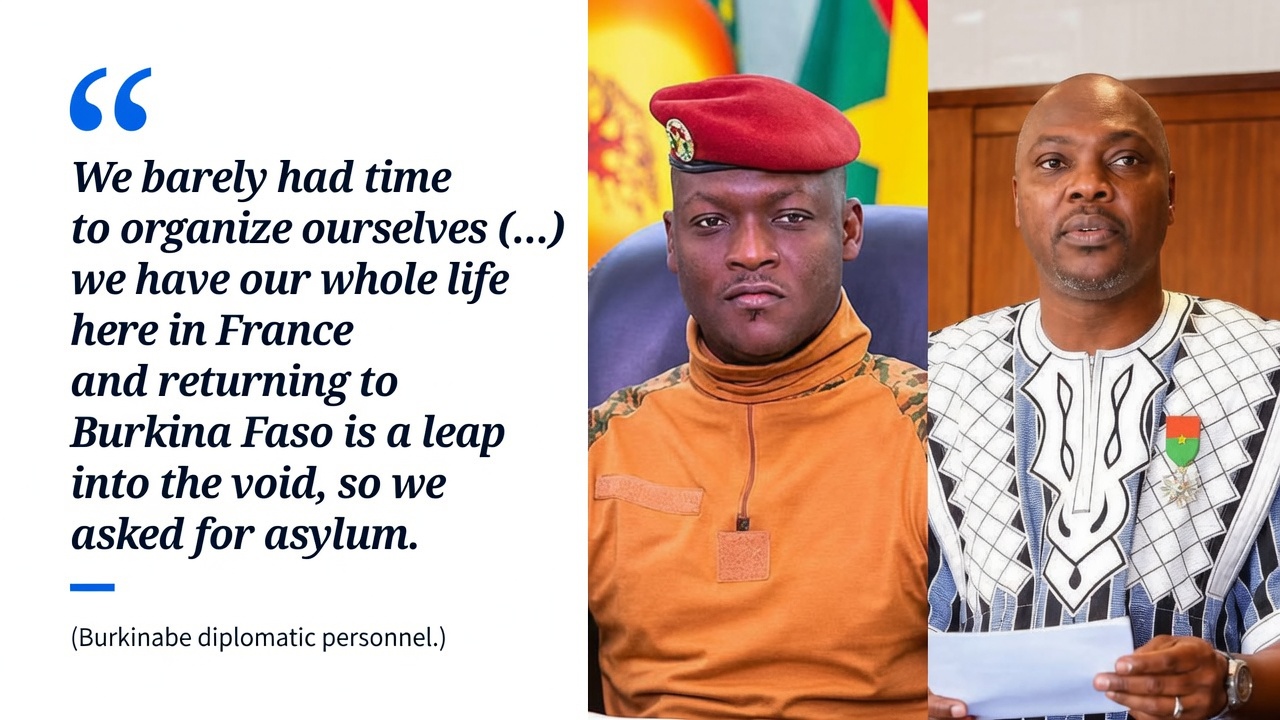
The diplomatic corps of Burkina Faso stationed in France has recently filed for political asylum, presenting a significant challenge for the nation’s transitional authorities. This development underscores deep-seated concerns within the country’s diplomatic apparatus, as officials stationed abroad opt to seek refuge in France rather than comply with orders to return to Burkina Faso.
The situation has emerged amid a broader pattern of administrative upheaval within Burkina Faso’s diplomatic representation abroad. The transitional government has undertaken a series of personnel reshuffles, with several diplomats recalled to Ouagadougou under the guise of restructuring the nation’s diplomatic network. However, for the affected officials, these enforced returns represent far more than routine administrative measures.
Human stories behind diplomatic decisions
The decision to seek asylum is rooted in deeply personal concerns. In a statement released by the affected personnel, the reasons for their actions are laid bare:
« We barely had time to organize ourselves. We have built our lives here in France, with our families settled, our children in school, and our careers established. Returning to Burkina Faso now feels like stepping into the unknown. That is why we applied for asylum. »
The uncertainty expressed by these diplomats extends beyond their professional lives. Many cite the deteriorating political climate in Burkina Faso as a critical factor in their decision, particularly in light of the ongoing security crisis. The transitional government has intensified efforts to mobilize civilians in its fight against armed groups, a strategy that has raised concerns among international observers and local populations alike.
Security concerns fuel asylum requests
Reports from human rights organizations and testimonials from affected individuals highlight growing apprehensions about the risks associated with the government’s mobilization campaigns. Allegations have surfaced regarding the deployment of civilians—including those who have publicly criticized the authorities—to conflict zones without adequate preparation or safeguards. While these claims remain disputed by official sources, they contribute to a climate of unease among diplomats facing forced repatriation.
The situation also reflects broader criticisms of the transitional government’s centralized decision-making processes. Detractors argue that administrative decisions, particularly those affecting diplomats stationed abroad, are made without sufficient consideration for the human consequences. The abrupt recall of long-serving diplomats, critics contend, disrupts lives without adequate transitional support or planning.
A symbolic challenge for Burkina Faso
This development carries significant symbolic weight. When diplomatic personnel—whose role is to represent their nation abroad—choose to seek protection from another country rather than return home, the message extends beyond the diplomatic sphere. It calls into question the level of trust that these officials have in the institutions they serve.
Requests for political asylum from diplomats or embassy staff are rare in international relations and are typically seen as a strong indicator of a political or security climate so troubling that even representatives of the state feel compelled to seek refuge elsewhere. For Burkina Faso’s transitional authorities, this episode presents a reputational challenge on the global stage. Despite pledges to restore national sovereignty and public confidence in state institutions, the actions of these diplomats inevitably fuel skepticism about the internal climate and the protections afforded to civil servants.
The unfolding situation also highlights the profound human impact of administrative decisions. Behind the policy shifts and diplomatic reshuffles are individuals with personal lives deeply intertwined with their professional roles. The testimonies of the affected personnel reveal a reality often absent from official statements: families, long-term careers, and futures that hang in the balance. For some, the choice to seek asylum is not merely a professional dilemma but a matter of personal survival.
Ultimately, this episode serves as a reminder that decisions made at the highest levels of government can have far-reaching consequences for the lives of those tasked with representing Burkina Faso abroad.