
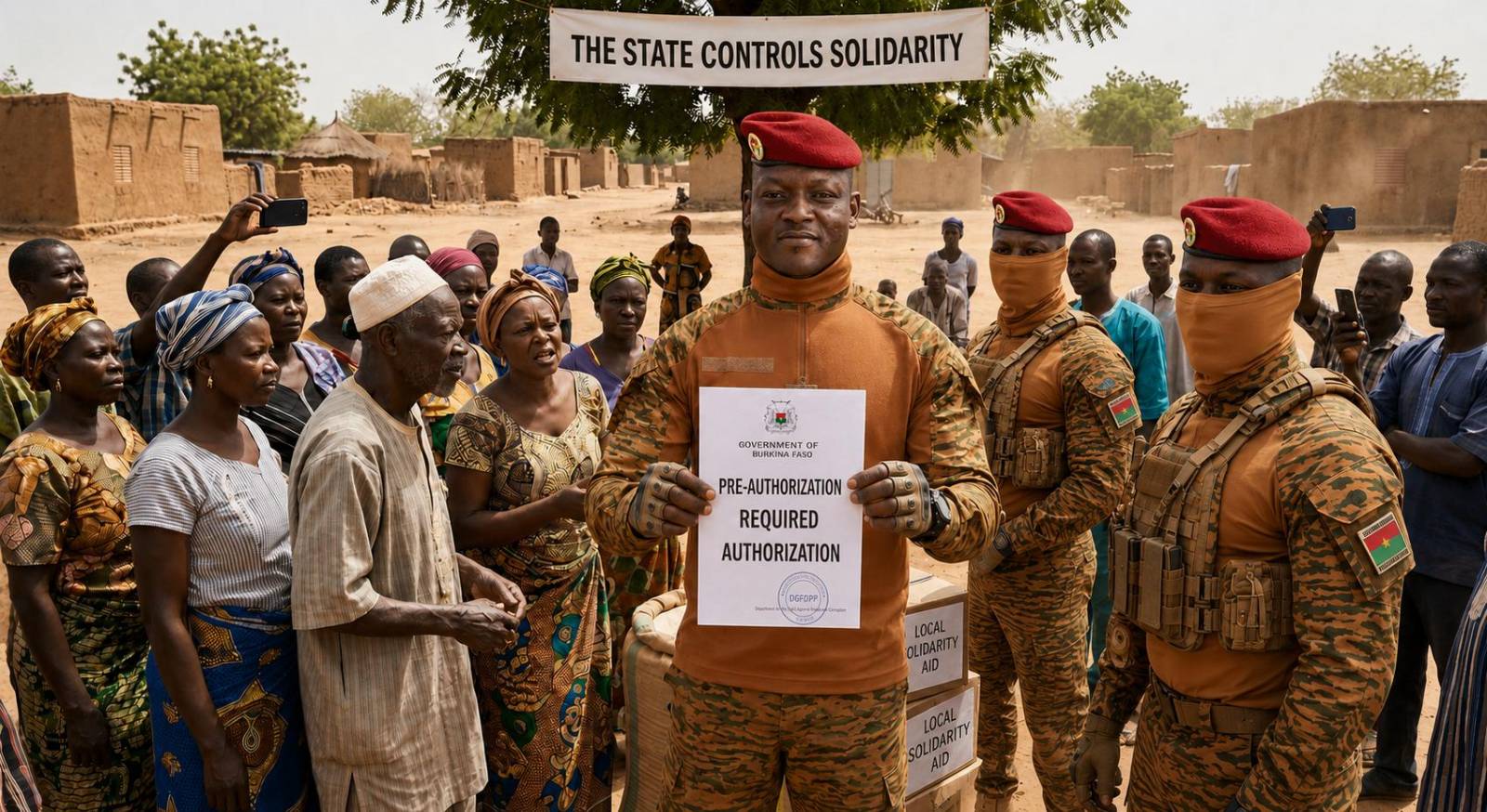
Burkina Faso enforces stricter controls on charitable initiatives
The Ministry of Solidarity in Burkina Faso has introduced stringent measures requiring prior authorization for all charitable activities, signaling a significant shift in how humanitarian efforts are regulated. This decision, framed under the guise of protecting human dignity and combating digital exploitation, has sparked a broader debate about the limits of state intervention in grassroots generosity.
From spontaneous aid to bureaucratic approval
Previously, acts of kindness—whether organized by individuals, associations, or online communities—flowed freely. Today, however, any effort to assist others must first secure formal clearance from authorities, with non-compliance subject to penalties. While the intent to curb abuses such as exploitative online fundraising is understandable, the blanket nature of this regulation risks stifling legitimate initiatives under the weight of administrative burdens.
Eroding the foundations of civic engagement
The new policy challenges the very essence of societal resilience, which in Burkina Faso has long relied on the autonomy of its people. Historically, communities, religious groups, and diaspora networks have been the first responders in crises, often stepping in where state mechanisms falter. By imposing rigid controls, the government not only slows these vital responses but also signals a fundamental mistrust in the public’s ability to act selflessly.
This centralization of compassion under state authority raises a critical question: can humanity truly thrive when every gesture of goodwill must first pass through bureaucratic filters? The answer, increasingly, points to a troubling erosion of trust between citizens and institutions.
Unintended consequences of overregulation
The timing of this decree could not be more precarious. Burkina Faso faces escalating security challenges, mass displacements, and acute humanitarian needs. The rapid mobilisation of aid—whether for displaced families, medical emergencies, or food shortages—often occurs outside formal channels. By demanding pre-approval, the government risks leaving vulnerable populations in limbo, as delays in processing permits leave lives hanging in the balance.
Moreover, the psychological effect of this policy may deter well-meaning individuals from offering help at all. Fear of sanctions or administrative hurdles could silence the very generosity that has sustained communities through years of crisis. The result? A society where solidarity is no longer a spontaneous act but a calculated risk.
The illusion of dignity
Proponents argue that the regulation protects the dignity of those in need by eliminating public displays of suffering. Yet, this perspective overlooks a harsh reality: dignity is not preserved by hiding poverty or suffering behind decrees. True dignity lies in ensuring that assistance reaches those who need it, when they need it—without unnecessary delays or bureaucracy.
Between the extremes of exploitative online campaigns and the invisibilization of suffering lies a middle path: ethical fundraising, consent-based support, and transparent accountability. This is the framework that should guide public policy—not the wholesale takeover of humanitarian efforts by the state.
A policy disconnected from ground realities
This regulation reveals a troubling disconnect between policymakers and the communities they serve. The state’s administrative machinery, already constrained by limited resources and slow processes, cannot realistically replace the agility of grassroots initiatives. By suffocating spontaneous aid, the government may inadvertently deepen the vulnerabilities it claims to address.
For Burkina Faso, where resilience has always depended on the interplay between state support and citizen-led action, this approach risks undermining the very foundations of its social fabric. The question remains: can a country truly protect its people by first demanding permission to help them?