
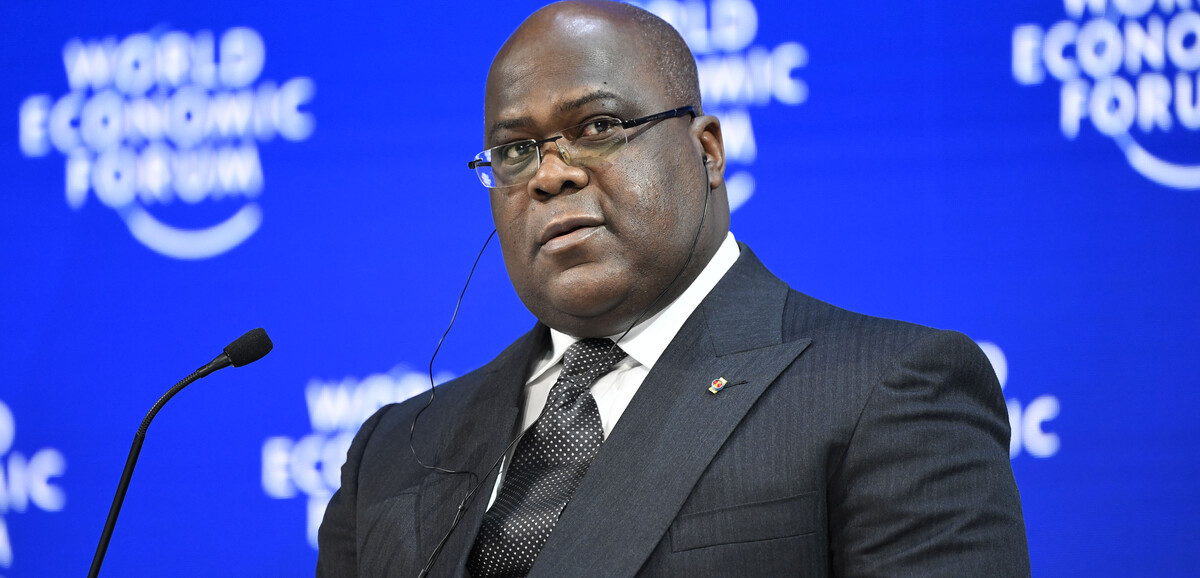
In an effort to curb the spread of the Ebola virus, authorities in the Democratic Republic of Congo (RDC) have issued a formal ban on mass public gatherings in Kinshasa and three other provinces. This health directive comes at a particularly sensitive moment, as opposition groups prepare for a large-scale demonstration against President Félix Tshisekedi scheduled for Wednesday, July 8.
The current Ebola outbreak, the 17th recorded in the country since the virus was first identified, has already resulted in 360 fatalities out of 1,274 confirmed cases. While the northeastern provinces remain the epicenter of the crisis, no active transmission has yet been detected in the capital, Kinshasa, a sprawling metropolis home to over 17 million residents. Nonetheless, the government is taking preemptive measures to prevent the virus from gaining a foothold in the city.
Interior Minister Jacquemain Shabani communicated the restriction to local officials, emphasizing the need to prohibit “mass crowds” to mitigate the risk of infection. While the official reason cited is public health, the order does not explicitly state whether the upcoming political rally is the primary target of the restriction.
A health crisis meeting political turmoil
The timing of this ban is fueling debate, as the RDC is currently gripped by intense political friction. The controversy centers on a proposed legislative framework for a referendum that would allow for constitutional revisions. Critics and opposition leaders argue that these changes are designed to bypass term limits, potentially allowing Félix Tshisekedi—who has led the nation since 2019—to seek a third term in office.
The bill was passed by Parliament in mid-June, where the presidential majority holds significant sway, and is currently awaiting final promulgation by the Head of State. The push for reform has already led to unrest; on June 12, a protest against what was labeled a “constitutional coup” was met with a heavy-handed security response in Kinshasa. That confrontation between demonstrators, pro-government supporters, and police resulted in numerous injuries and at least one death.
Despite the new health-related restrictions, the opposition has signaled its intent to proceed with the July 8 march to demand the resignation of Félix Tshisekedi. In response, Minister Jacquemain Shabani has taken a hardline stance, characterizing the call to protest under these circumstances as an act of high treason.