
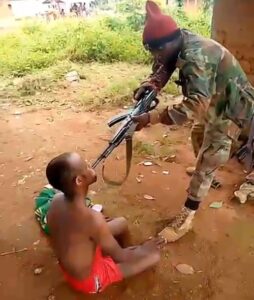
In a worrying escalation of security risks in northern Central African Republic, Russian mercenaries operating in the region have begun enforcing their own roadblocks near Ndélé, mirroring the functions of national gendarmes. These unauthorized checkpoints have now yielded their first major seizure: a truck traveling from Bangui was intercepted, and its passenger was detained under unclear circumstances by the armed group.
Unauthorised checkpoints and detentions raise concerns
Witnesses in Ndélé report that the mercenary group, widely associated with the Wagner network, has established a systematic presence at key road junctions. Unlike traditional security forces, these units operate without any legal mandate, raising serious questions about accountability and the rule of law in the area. The intercepted truck, reportedly carrying unspecified cargo, was stopped and its lone passenger—described only as a “locataire” (tenant or occupant)—was taken into custody, with no official explanation provided.
Impact on civilian movement and local trust
The presence of these mercenary roadblocks has already disrupted civilian travel and commerce, particularly along the route connecting Ndélé to the capital. Local residents express growing unease, noting that these checkpoints resemble lawful security operations but lack transparency or oversight. Such actions not only hinder daily life but also erode public confidence in regional stability efforts.
What happens next?
As of now, no official statement has been issued by Central African authorities regarding the incident or the presence of Russian mercenaries in Ndélé. The detained individual remains in custody, and the truck’s cargo and final status are unknown. The situation underscores the complex security landscape in Central Africa, where foreign armed groups operate alongside national forces, often blurring the lines between protection and control.