
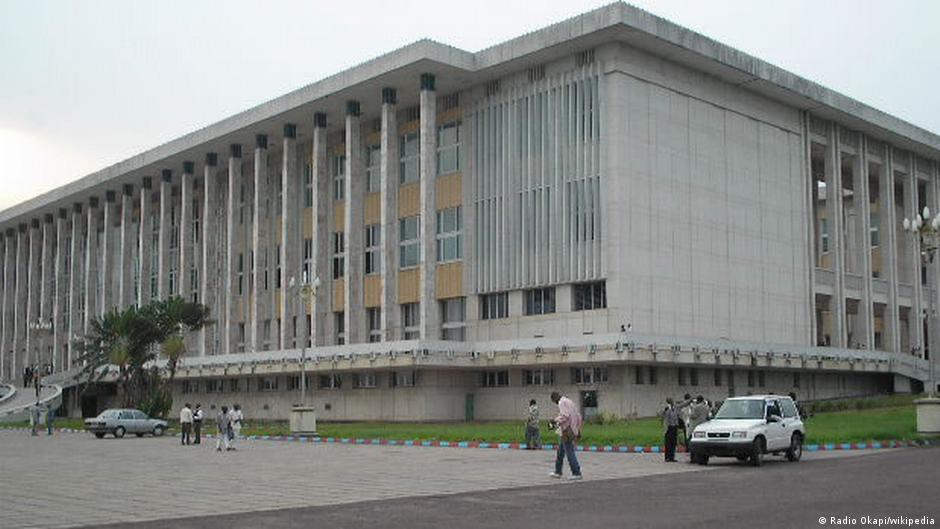
Democracy in question: DRC’s constitutional reform and popular sovereignty
June 10, 2026The newly adopted bill has drawn sharp criticism from the opposition, who argue it paves the way for President Félix Tshisekedi to seek a third consecutive term. Yet supporters of the reform frame it as a triumph for popular sovereignty, while skeptics warn it may clash with constitutional principles.
For reform advocates, the new legislation primarily strengthens the people’s voice. In Kinshasa, legal experts like Maria Eloyi agree. She argues that since the Constitution itself embodies the will of the people, any amendments must go through a referendum—a process that cannot be bypassed. “This isn’t about political maneuvering,” she asserts. “It’s about constitutional articles that genuinely require updates.”
Public priorities vs. political debates
Not everyone in the capital shares this enthusiasm. Placide Lukeka, a young resident of Kinshasa, believes the timing is misplaced. “I’ve long supported constitutional reform,” he says. “Those who claim it’s purely political are mistaken. A shift to a new Republic could bring real progress for our country.”
Contrasting views on constitutional change
Ange Aloki, another Kinshasa resident, disagrees. She questions the urgency of the referendum debate, especially with elections looming in two years. “Why divert so much energy to this now?” she asks. “Where were they all this time if they wanted constitutional reform?”
Legal and political tug-of-war
The debate extends beyond politics into legal territory. Constitutional experts, including Godefroy Mwanabwato of the Tshopo Bar, believe the new law may overstep legislative authority. He expects the Constitutional Court to strike down provisions it deems unconstitutional. “The Court will remove any clauses that exceed the legislature’s power to regulate referendums,” he explains.
The opposition has taken a hardline stance, boycotting the parliamentary debates and calling for a city-wide shutdown on June 3, followed by a sit-in on June 13.