
Gabon’s bold diplomatic shift under Oligui Nguema
Libreville — In a geopolitical landscape reshaping Africa’s future, Gabon is redefining its diplomatic identity.
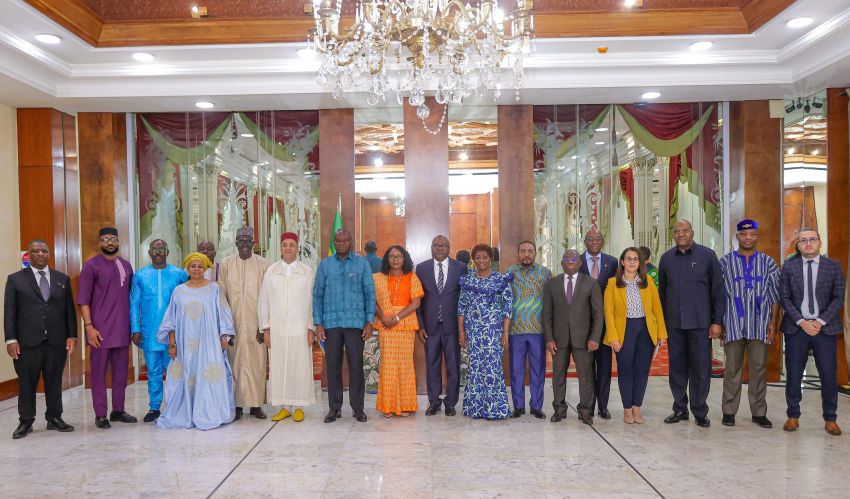
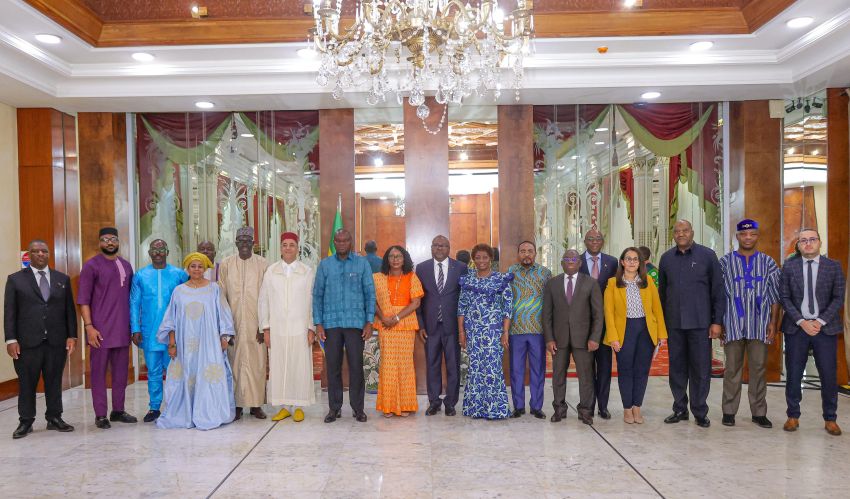
President Brice Clotaire Oligui Nguema convened his first collective meeting with African ambassadors accredited to Libreville last Friday. The gathering wasn’t merely ceremonial—it signaled a strategic shift in Gabon’s foreign policy approach, one designed to reposition the nation as a stabilizing force on the continent.
Through this high-profile engagement, the Head of State articulated a clear vision: Gabon aims to emerge as a champion of African-driven integration, a facilitator of dialogue, and a resolute advocate for continental sovereignty. Against a backdrop of regional security challenges and competing global interests, Libreville is determined to assert its perspective.
The case for African-led development
At the heart of President Oligui Nguema’s remarks lies a fundamental principle gaining traction across African capitals. The future of the continent, he emphasized, cannot continue to depend on solutions dictated from outside its borders.
This stance aligns with a broader continental trend. From the Sahel to Southern Africa, leaders are increasingly asserting their right to shape economic, security, and institutional policies independently. Gabon now seeks to contribute meaningfully to this continental narrative.
The President outlined three core priorities to guide this vision. First is accelerating regional integration to boost intra-African trade, which remains among the lowest globally. Second, strengthening South-South cooperation to share successful models and foster economic synergies. Third, consolidating national capacities so each state can tackle its own development challenges effectively.
This approach marks a departure from abstract pan-African rhetoric, favoring instead a results-driven strategy grounded in practical outcomes.
From stability to regional influence
Discussions with African diplomats also highlighted Gabon’s evolving international perception. Many envoys praised the progress made in infrastructure, urban development, and public services over nearly three years of transition.
Yet, these positive assessments underscore a strategic imperative: transforming national stability into regional influence. Gabon is actively pursuing this goal by reviving joint commissions with African partners, shifting from political diplomacy to project-based partnerships in energy, transport, agriculture, digital innovation, and education.
To amplify its global visibility, Libreville has taken bold steps. Its bid to host the African Union’s ninth biannual AU-Regional Economic Communities meeting in 2027 reflects this ambition. Similarly, pursuing the 2030 Francophonie Summit underscores Gabon’s desire to position itself as a key diplomatic hub bridging Africa, the Francophone world, and beyond.
Balancing openness with governance
The meeting also addressed practical concerns regarding African nationals living in Gabon. Ambassadors raised administrative and consular challenges, to which the President responded by reaffirming Gabon’s commitment to international conventions and improving case processing efficiency.
He stressed that while Gabon remains committed to its tradition of hospitality toward African communities, this openness must align with national laws. A delicate balance between regional attractiveness and governance accountability.
President Oligui Nguema also addressed the Sahel Alliance countries, advocating dialogue and mutual understanding as essential tools for resolving regional disputes amid political tensions and institutional divisions.
This stance reinforces Gabon’s ambition to position itself as a neutral mediator capable of engaging with diverse African perspectives.
As the meeting concluded, one thing became clear: Libreville no longer seeks recognition merely as a stable Central African capital. Gabon aspires to play a more visible role in shaping continental balances, with cooperation, peace, and regional integration as the pillars of its growing influence.
The challenge now lies in translating this diplomatic vision into tangible results. In today’s Africa, ambitions are measured by the actions they inspire.