
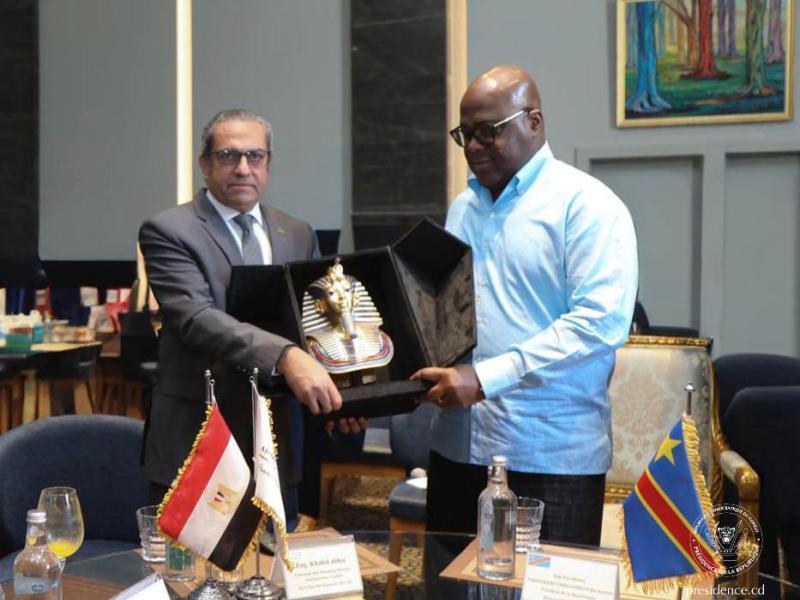
Strengthening DRC–Egypt military ties: President Tshisekedi orders defense strategy for Congolese training
The President of the Democratic Republic of the Congo (DRC), Félix Tshisekedi, has directed the Ministry of Defense and the Armed Forces of the DRC (FARDC) to develop a detailed execution plan for military training programs in Egypt. This directive follows a high-level diplomatic engagement with Egyptian leadership, aimed at deepening bilateral cooperation.
Diplomatic breakthrough strengthens DRC–Egypt partnership
During an official state visit to Cairo on June 10–11, 2026, at the invitation of Egyptian President Abdel Fattah Al-Sisi, President Tshisekedi and his counterpart reviewed key areas of cooperation rooted in shared African ideals of sovereignty, independence, and continental dignity.
The two leaders underscored the importance of strengthening strategic partnerships between the DRC and African nations, particularly in areas of mutual development and security. Multiple cooperation agreements were signed in investment, political consultation, urban development, and health—signaling a shift toward tangible outcomes benefiting both populations.
“This visit has paved the way for enhanced collaboration across sectors, with both sides committed to translating diplomatic progress into real benefits for our people,” the government statement noted.
Military cooperation takes center stage
Among the key outcomes of the meeting was a commitment to significantly expand military cooperation between the two countries. As part of this initiative, President Tshisekedi instructed the Vice Prime Minister and Minister of National Defense, in coordination with the Chief of General Staff of the FARDC, to finalize and submit a detailed implementation plan for training Congolese military personnel in Egypt.
The move comes at a critical time as the DRC continues efforts to modernize its armed forces and enhance operational readiness amid persistent security challenges in the eastern provinces. These challenges include ongoing armed aggression attributed to cross-border movements linked to rebel factions operating in North-Kivu and South-Kivu.
The new military partnership aligns with broader national security objectives and reflects a proactive approach to regional stability and defense capacity building.
Next steps: From instruction to action
The Ministry of Defense has been tasked with accelerating the development of the training program framework. The plan is expected to include logistical, technical, and human resource arrangements necessary to deploy Congolese officers for advanced military training in Egypt.
This initiative is part of a broader strategy to diversify defense partnerships and strengthen the FARDC’s operational effectiveness through exposure to international training standards and expertise.
Photo: Official government illustration