
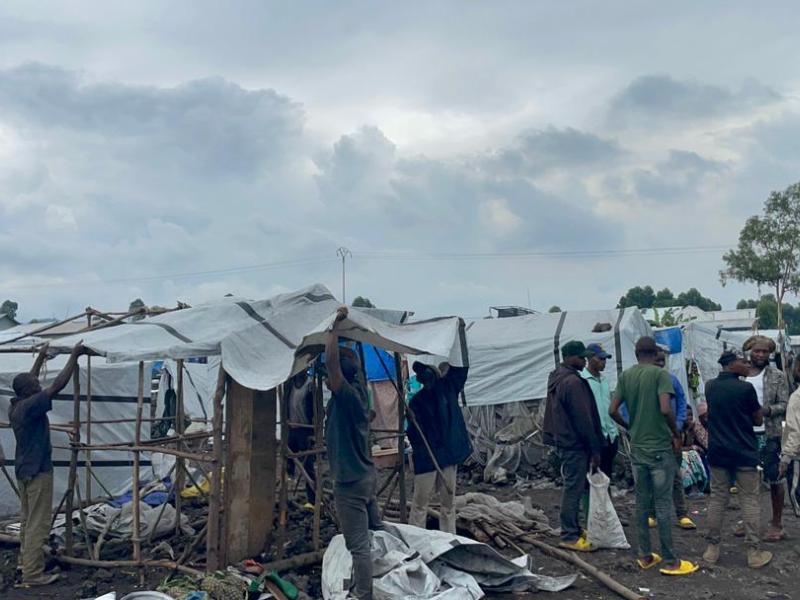
The United Nations Office for the Coordination of Humanitarian Affairs (OCHA) has revised the 2026 Humanitarian Response Plan (HRP) for the Democratic Republic of the Congo (DRC) in response to the worsening Ebola outbreak and escalating humanitarian needs. This adjustment aims to better target assistance to affected communities, particularly in the eastern provinces where the epidemic has taken hold.
The revised plan now focuses on supporting 10.8 million people—a significant reduction from the initial target of 15 million—due to financial constraints and the urgent need to prioritize the most vulnerable populations. The required funding has also increased to $2.13 billion, up from the previously allocated $1.4 billion, reflecting the growing scale of the crisis.
In May 2026, a new Ebola outbreak emerged in Bunia, Ituri Province, caused by the Bundibugyo strain. Since then, the virus has spread rapidly across multiple health zones in Ituri, North Kivu, and South Kivu, with active transmission in areas such as Rwampara and Mongwalu. The outbreak has disproportionately affected frontline healthcare workers, further straining the already fragile health system.
OCHA highlighted that the epidemic has exacerbated existing vulnerabilities, including food insecurity, displacement, and conflict-related violence. The situation has forced humanitarian agencies to reassess their priorities, shifting resources to combat the outbreak while continuing to address other critical needs such as cholera prevention and maternal health.
The revised HRP reflects consultations with DRC authorities, including Minister of Social Affairs and National Solidarity Eve Bazaiba, who emphasized the need for strategic reallocation of funds to maximize impact. The plan also accounts for the decline in international humanitarian funding, particularly the suspension of U.S. aid, which has left many programs under-resourced.
The 2026 Humanitarian Response Plan was initially launched in January 2026 with a $1.4 billion appeal, targeting 15 million people in need. However, as of June 2026, only 53.3% of the required funding had been secured. The updated plan aims to provide a lifeline to those most at risk while ensuring a coordinated response to the multi-faceted crisis gripping the DRC.
Regional impact
The Ebola outbreak in Ituri has triggered concerns beyond DRC’s borders, prompting calls for a continental joint response plan. The World Health Organization (WHO) has warned of a $400 million funding gap, underscoring the urgency of international support to contain the epidemic and mitigate its broader consequences.
Key challenges
- Resource constraints: Reduced humanitarian funding has forced prioritization of assistance, leaving many vulnerable communities without support.
- Healthcare system strain: The Ebola outbreak has overwhelmed local health facilities, with healthcare workers among the hardest-hit groups.
- Complex emergencies: The crisis intersects with ongoing conflicts, food insecurity, and displacement, creating a perfect storm of humanitarian needs.
Looking ahead
As the DRC grapples with this escalating crisis, the revised HRP represents a critical step in ensuring that aid reaches those who need it most. However, the success of the plan hinges on sustained international support and a coordinated response from humanitarian partners. Without additional funding, the humanitarian community faces the daunting task of balancing immediate needs with long-term recovery efforts.
The situation in the DRC serves as a stark reminder of the fragility of health systems in conflict zones and the importance of robust international cooperation in addressing global health emergencies.