
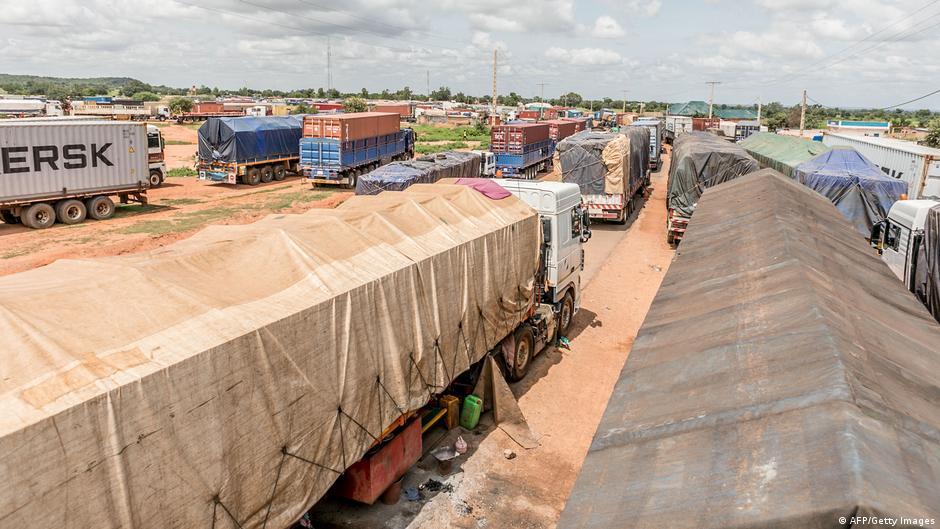
Niger-Bénin border closure: economic ripple effects hit home
The prolonged closure of the Bénin-Niger border following the July 26, 2023 military takeover has sent shockwaves through Niger’s economy. Months later, businesses and transporters remain in crisis mode, scrambling to keep operations afloat.
Nigeria steps in, but at a cost
The Bénin corridor had long served as a vital lifeline for Niger’s supply chains. With the border sealed, traders turned to Nigeria—an alternative that’s proving expensive, time-consuming, and unpredictable. Routes that once took days now stretch into weeks, draining resources at every turn.
Yacouba Dan Maradi, a Nigerien trader, shares the harsh reality: “The closure hit us hard—emotionally, commercially, and financially. We tried rerouting through Nigeria, but even that carried risks. Now, mercifully, we’re finally seeing light at the end of the tunnel.”
Fuel transport sector buckles under pressure
For fuel transporters, the strain is especially severe. Delivery delays have ballooned, turning once-profitable operations into financial black holes. Mody Hassane, general secretary of the Nigerien Fuel Transport Union, paints a grim picture: “Before the border closed, we’d complete two or three trips a month. Now, a single journey can drag on for two or three months—and forget profits; we’re drowning in losses.”
The fallout doesn’t stop at transporters. Skyrocketing logistics costs and sluggish trade have left Niger’s economy gasping. Businesses and transporters alike are now pinning their hopes on a lasting reopening of the Niger-Bénin border to restore stability and revive the flow of goods.