
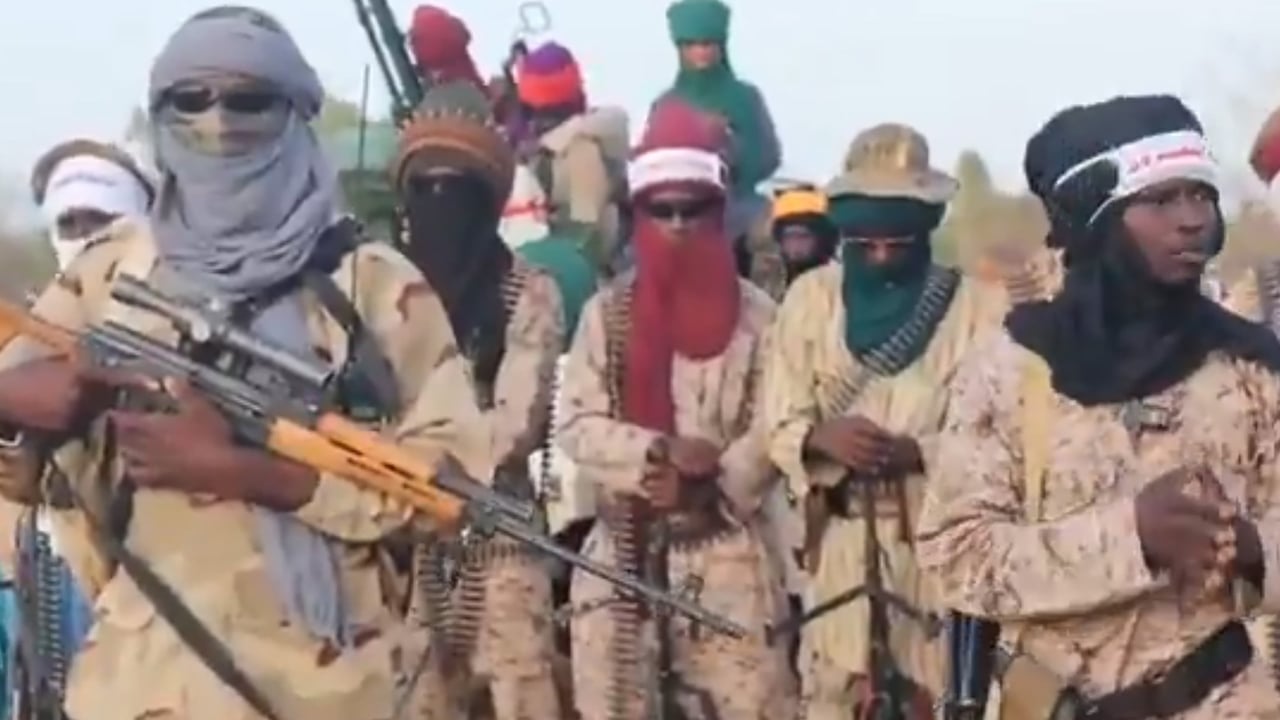
The Sahel region is witnessing a troubling shift in its security landscape, with a new crisis arc stretching from Mali to Nigeria. This evolving dynamic is not only reshaping the region’s stability but also signaling deeper fractures within local communities and governance structures.

a growing security challenge across borders
Recent developments reveal that armed groups are exploiting weak governance and porous borders to expand their influence. The Jama’at Nusrat al-Islam wal Muslimin (JNIM) and other factions are intensifying their operations, creating a ripple effect that stretches from northern Mali into southern Niger and beyond. This transnational reach is exacerbating instability in regions that were once considered relatively secure.
the role of local dynamics in fueling instability
While global attention often focuses on large-scale attacks, the real drivers of this crisis lie in local grievances. Marginalized communities, economic hardship, and political exclusion are fertile ground for recruitment by extremist groups. In many cases, these groups position themselves as protectors against state neglect, further eroding trust in government institutions.
fragmentation of state authority
The Sahel’s security dilemma is compounded by the fragmentation of state authority. In Mali, for instance, the withdrawal of international forces has left a power vacuum that armed factions are eager to fill. Meanwhile, in Nigeria, the government struggles to contain the spread of violence from the northeast, which now spills into neighboring countries. This decentralization of power is creating a patchwork of competing authorities, each vying for control.
regional responses and their limitations
Efforts to counter this threat have so far fallen short. Regional alliances like the G5 Sahel have struggled with coordination and resources, while international interventions have faced criticism for their lack of long-term solutions. The result is a cycle of violence that continues to escalate, with civilians bearing the brunt of the consequences.
what lies ahead for the Sahel
The future of the Sahel hinges on addressing the root causes of instability. Without meaningful economic development, inclusive governance, and a unified regional strategy, the crisis arc from Mali to Nigeria will only deepen. The international community must move beyond short-term security measures and invest in sustainable peacebuilding efforts to prevent further fragmentation.