
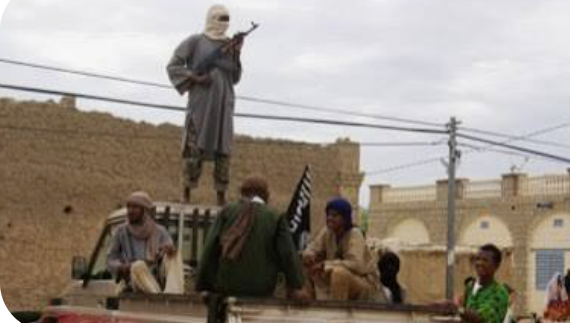
On April 25, the security landscape in Mali took a troubling turn. Despite the transition government’s heavy reliance on a reinforced military partnership with Moscow, the situation on the ground continues to deteriorate. From the strategic negotiations in Kidal to the sudden resurgence of violence in Kati, the heart of the current administration, the effectiveness of a purely military strategy supported by Russian paramilitaries is facing unprecedented scrutiny.
Emergency diplomacy: An agreement in Kidal between Russians and rebels
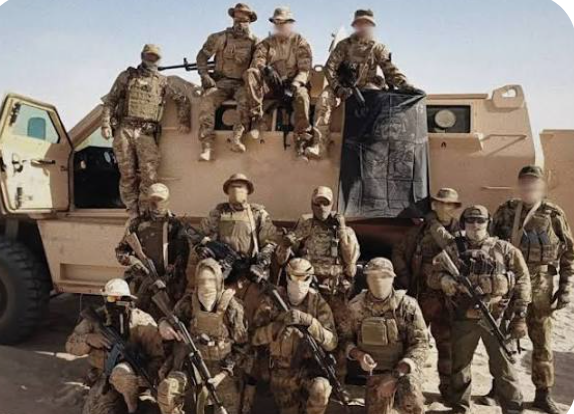
The northern part of the country has reached a significant symbolic crossroads. According to various reports, an arrangement was reportedly brokered between Tuareg rebel groups and Russian auxiliaries to allow the latter to evacuate specific areas within the Kidal region. Although this deal is officially intended to reduce human losses, it serves primarily as an admission of limited control. For Bamako, which had framed the total reconquest of Kidal as a pillar of national sovereignty, seeing its Russian allies negotiate a safe exit reveals a harsh truth: foreign intervention, whether Western in the past or Russian today, struggles to bring lasting stability to such a complex environment.
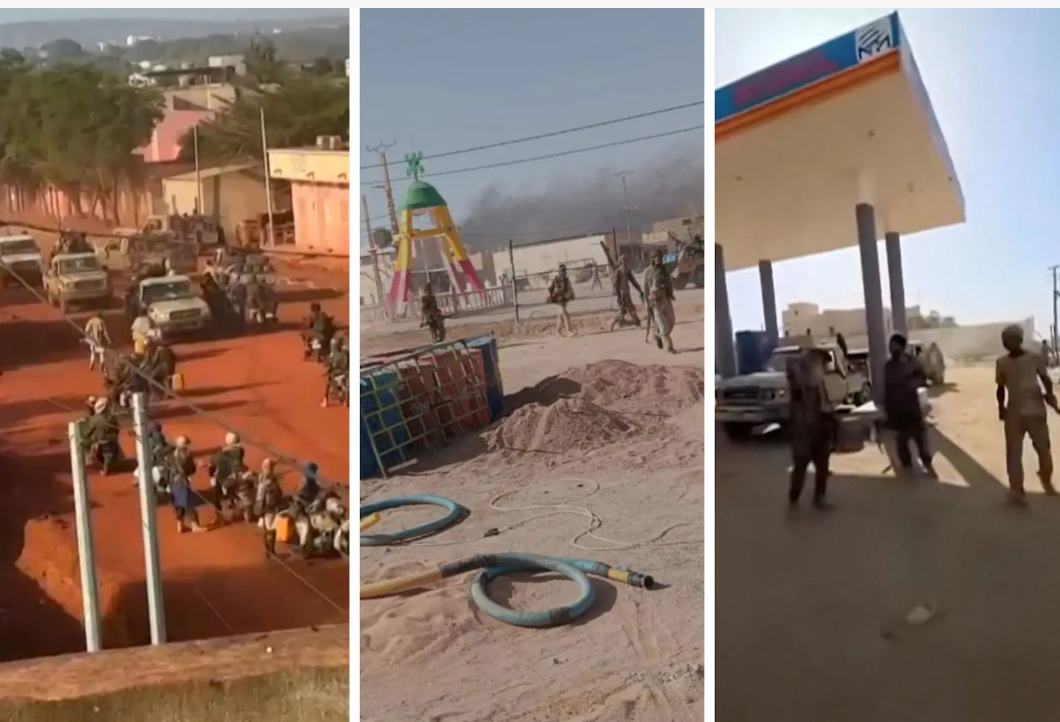
Kati under pressure: The seat of power in the crosshairs
While the North remains a flashpoint, instability is now creeping into the South. The return of fighting to Kati, a garrison town located only about fifteen kilometers from the capital, has deeply unsettled the public. Kati is not merely a military outpost; it is the cradle of the current leadership and the site of major strategic decision-making. The fact that clashes have erupted there once again suggests that the Malian state’s security perimeter is contracting. Insecurity is no longer confined to the nation’s borders; it is now at the doorstep of the presidency, despite promises of a more powerful Malian army and logistical support from its Russian partner.
The shortcomings of the Russian security model
The deployment of the Wagner Group, now integrated into the Africa Corps, was marketed as the ultimate remedy for terrorism and rebellion. However, after several years of this cooperation, the outcome is disheartening, as insecurity continues to spread and move closer to major urban hubs. This strategic impasse highlights that brute force cannot substitute for political and administrative solutions in marginalized regions. Furthermore, by moving away from traditional regional and international partners in favor of a single actor, Mali has locked itself into a military dependency that is not yielding results. Russia, primarily focused on its own geopolitical interests, seems unable to provide an adequate response to the asymmetric warfare devastating the Sahel, which requires sophisticated intelligence and genuine social cohesion.
The current state of affairs in Mali proves that security cannot be bought through mercenary contracts. The relative failure of operations in Kidal and the vulnerability of Kati underscore a reality that the transition authorities can no longer overlook: the resolution of the Malian conflict cannot be solely military, nor can it be exclusively Russian. Without a return to inclusive governance and a fundamental rethink of the defense strategy, Mali risks sinking further into a cycle of violence that its new allies appear unable to break.