
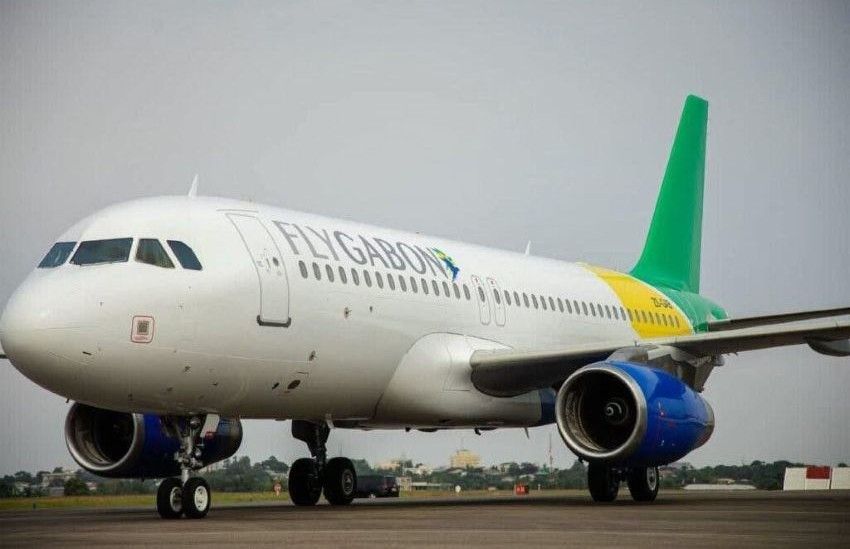
FlyGabon expands to europe with new direct flights from Libreville
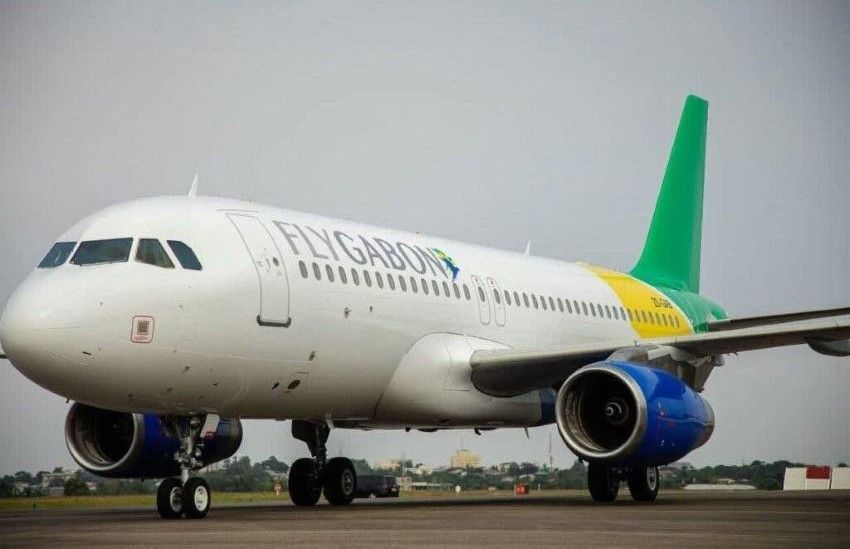
Libreville, June 19, 2026 – For decades, FlyGabon has operated primarily within domestic and regional borders. Now, the Gabonese airline is preparing to make a historic leap: launching direct flights to Paris and London. This move isn’t just about expanding routes—it’s about repositioning Gabon in global mobility, trade, and investment flows.
The timing couldn’t be more strategic. In today’s interconnected world, air connectivity serves as both an economic power indicator and a tool for national sovereignty. FlyGabon’s expansion goes beyond passenger transport; it’s a deliberate move to reduce reliance on foreign carriers while boosting Libreville’s global appeal.
Europe’s strategic bet for FlyGabon
Under Gabonese state majority ownership through Fly Air Gabon Holding, the airline is integrating new Boeing aircraft to fuel its growth. The focus is on the 737 Next Generation and 737 MAX families—industry leaders in the medium-haul segment.
The 737 MAX stands out with a range of up to 6,500 kilometers, making direct Libreville-to-Paris (5,450 km) and Libreville-to-London (5,750 km) routes feasible. This eliminates the need for cumbersome connections through regional hubs, positioning Libreville as a key gateway between Central Africa and Western Europe.
The economic stakes are high. Gabon’s trade with Europe—spanning oil, manganese, processed wood, and private investments—relies heavily on smooth logistics. Direct flights will streamline these exchanges, fostering tighter economic ties.
Global strategies tailored for African realities
FlyGabon’s approach mirrors global aviation trends: operational leasing of aircraft. This model, used by two-thirds of airlines worldwide, offers unmatched flexibility—lowering upfront costs, preserving cash flow, and adapting quickly to market demands.
For African carriers, leasing is especially critical. Delivery delays for new aircraft can stretch beyond four or five years. By leasing, FlyGabon avoids these bottlenecks while maintaining a lean, profitable growth trajectory.
Libreville’s ambition to become a regional hub
Behind the technical details lies a broader national vision: transforming Libreville into a strategic nexus between Central Africa and Europe. This aligns with Gabon’s push to modernize infrastructure—ports, logistics, air transport, and economic corridors—all designed to support economic diversification.
In this ecosystem, FlyGabon plays a pivotal role. A strong national airline isn’t just a sovereignty symbol; it’s a competitiveness engine. It accelerates investment, boosts tourism, facilitates business travel, and deepens regional integration.
The challenges are steep. European routes are among the most competitive, demanding top-tier safety, punctuality, service quality, and profitability. Yet FlyGabon’s trajectory signals a clear intent: shifting from a purely domestic player to a continental connector that binds Gabon to global economic centers.
The announcement of Paris and London routes marks more than a commercial milestone. It signals a new connectivity strategy where aviation becomes a driver of economic development, international influence, and national sovereignty. For FlyGabon, the real takeoff may now be over the Atlantic.