
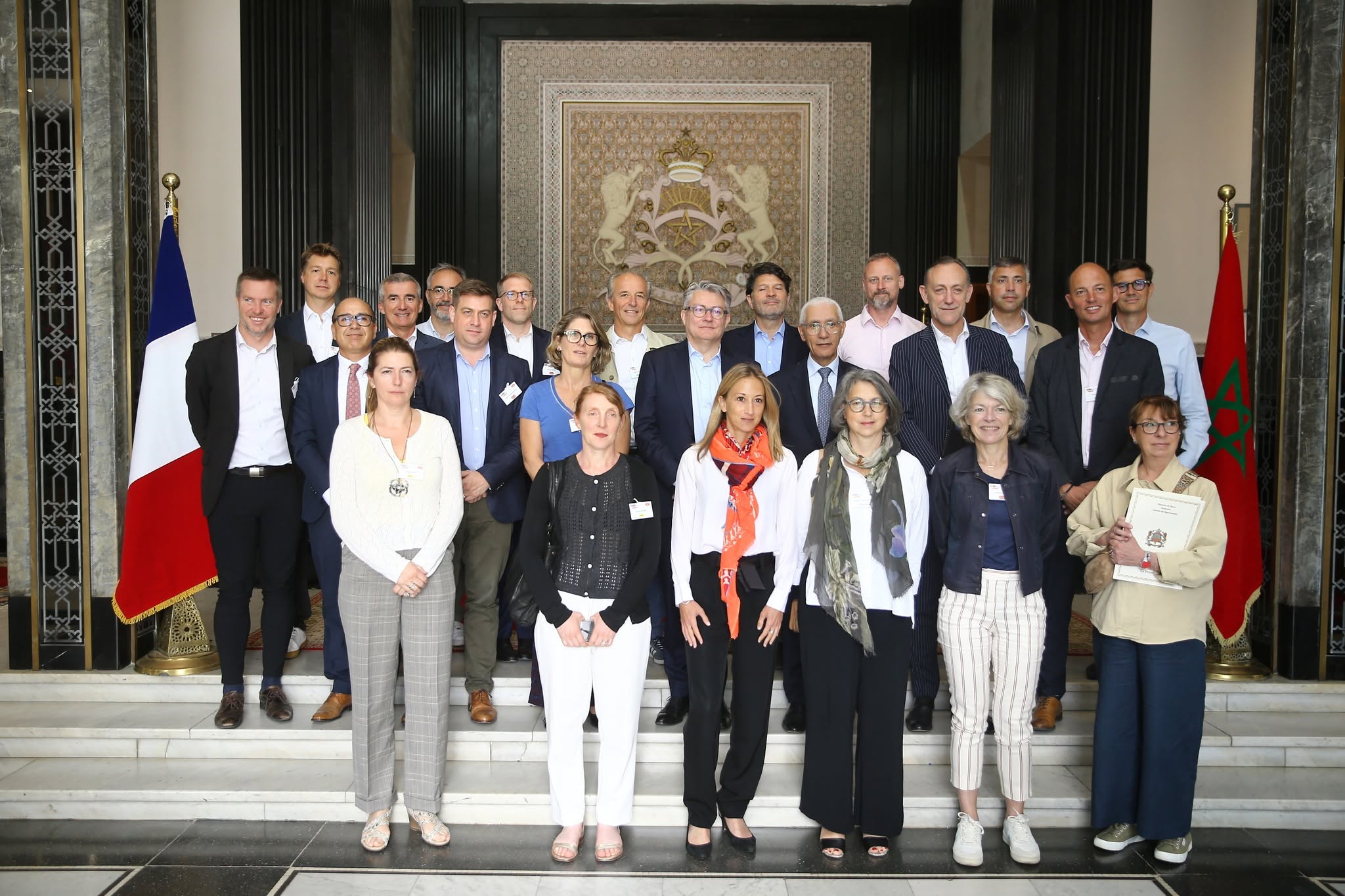
A delegation of French corporate executives embarked on a study visit to Morocco from June 8 to 12, 2026, to explore the country’s economic landscape. During their stay, they engaged in discussions with Rachid Talbi Alami, the President of the House of Representatives, focusing on the business climate, major national projects, and Morocco’s strategic African initiatives, such as providing Atlantic access for Sahel countries and the Morocco-Nigeria gas pipeline project.
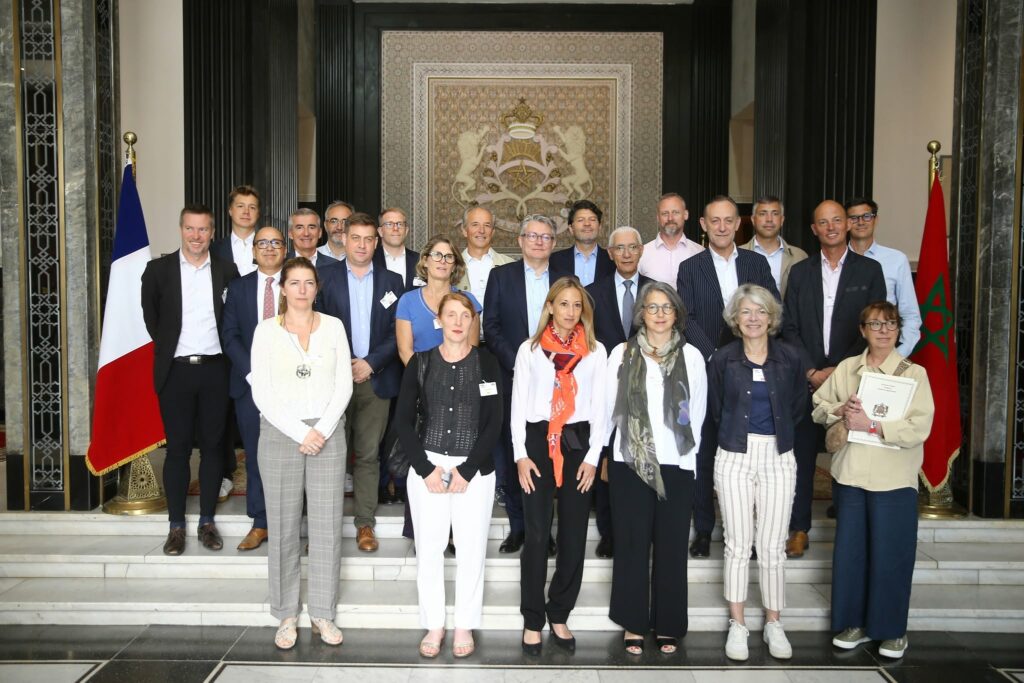
On Tuesday, June 9, 2026, Rachid Talbi Alami met with the French delegation in Rabat. The group, comprising leaders from various unspecified sectors, expressed a keen interest in understanding the large-scale projects underway in Morocco and its growing role as a strategic gateway connecting Africa with the rest of the globe.
During the meeting, Mr. Talbi Alami provided a comprehensive overview of the reforms implemented within the Kingdom, the evolution of the business environment, and the legal framework governing investments. He highlighted Morocco’s modern infrastructure, institutional stability, and the significant economic advantages available to foreign investors.
Discussions also centered on Morocco’s key African-focused projects. Particular attention was given to the royal initiative aimed at offering Atlantic Ocean access to Sahel nations and the ambitious Africa-Atlantic gas pipeline project connecting Nigeria and Morocco.
Moroccan officials frame these large-scale ventures as part of a broader strategy centered on South-South cooperation, promoting regional integration, and fostering shared development across the African continent.
The President of the House of Representatives also elaborated on the unique characteristics of the Moroccan political system and outlined the major milestones of the nation’s sixty-year parliamentary history.
This visit comes at a time when Morocco is actively working to cement its status as a leading industrial, logistical, and financial hub between Europe and Africa. The Kingdom is focused on attracting increased foreign investment into key sectors such as infrastructure, energy, manufacturing, and services to achieve this goal.