
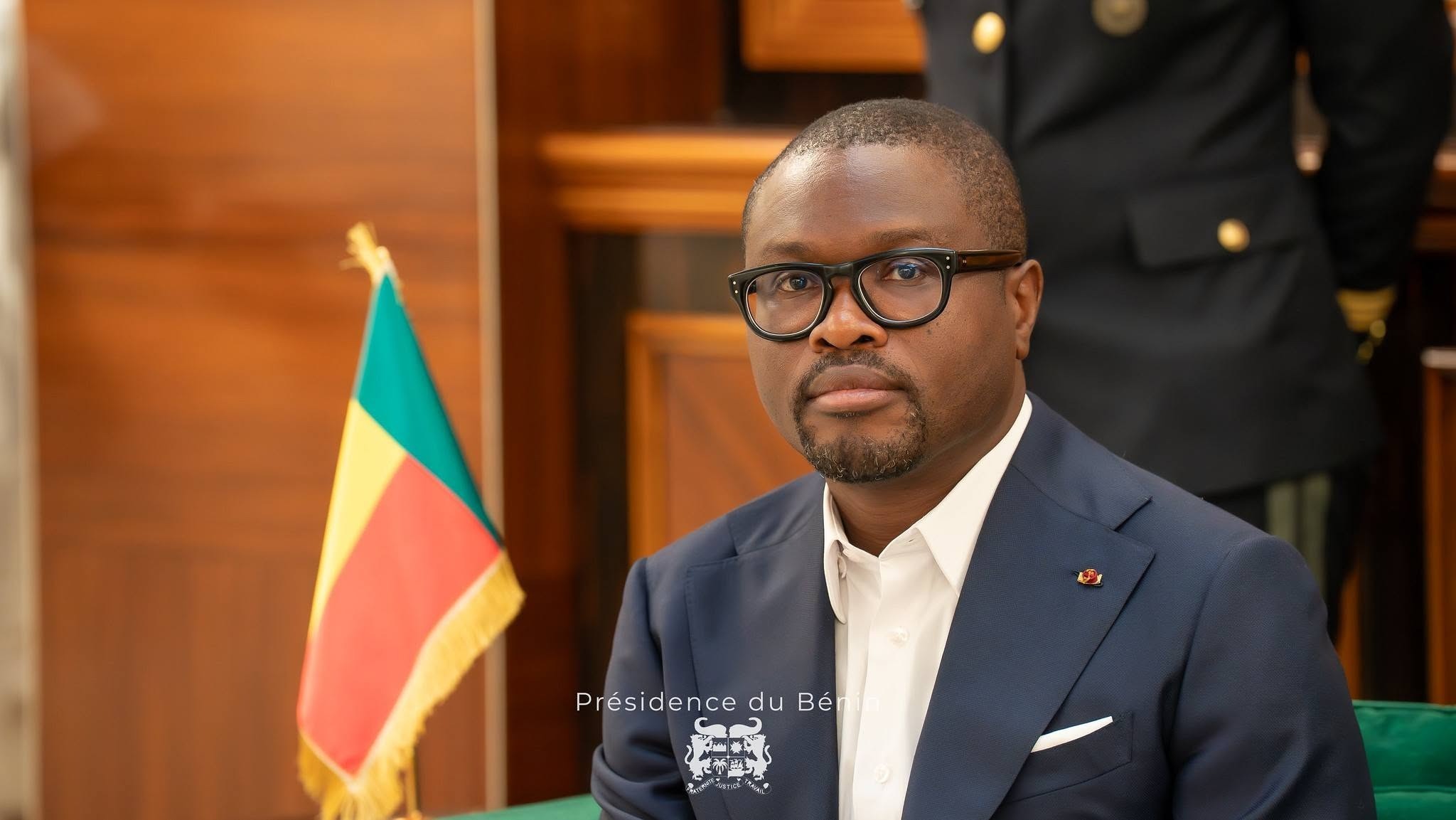
The Beninese government has formally sanctioned an unprecedented revised budget for the year 2026. Underpinned by the strategic vision of the new Head of State, Romuald Wadagni, this significant budgetary recalibration demonstrates the nation’s dynamic evolution, positioning human development at the core of its economic priorities, and is set to consistently exceed the expectations of both observers and international partners.
Benin unequivocally stands as a nation in motion, often emerging where least anticipated, yet always driven by a spirit of bold initiative. Through the adoption of a supplementary budget that propels the state’s financial framework beyond the symbolic 4,000 billion FCFA threshold, the government has enacted a decisive measure. This remarkable 8% augmentation, relative to initial projections, signifies more than a mere accounting adjustment; it represents the financial embodiment of the foundational directives set forth by the newly inaugurated President of the Republic, Romuald Wadagni.
The Wadagni Effect: a strong commitment to social impact
As the nation’s former chief financial officer, renowned for his rigorous approach and profound understanding of international financial mechanisms, President Wadagni has swiftly imprinted his strategic mark. This revised budget serves as a clear indicator of a rapid transition towards a more equitable and inclusive economic framework.
By surpassing this historic financial milestone, Benin conveys a potent message to its partners and investors: robust macroeconomic performance must translate into tangible social welfare. The new budgetary directives allocate substantial resources to fundamental social sectors, which, though long acknowledged as priorities, are now endowed with unparalleled funding to foster significant qualitative advancements.
A comprehensive plan for health, education, and land
The magnitude of this budgetary expansion is structured around pivotal strategic investments designed to profoundly transform the daily lives of the Beninese populace:
- Billions for systematic healthcare provision: A historic financial envelope has been mobilized to guarantee access to healthcare. This extensive investment aims to standardize and elevate the quality of healthcare services across the entire national territory, reinforcing universal health coverage to ensure no citizen is marginalized.
- Tuition-free education for girls: As a flagship initiative promoting equal opportunities and human capital development, the government is actualizing its commitment to education for all. Eliminating financial barriers to girls’ education serves as a powerful catalyst for empowerment and a forward-looking investment for the nation.
- Infrastructure and Agriculture: The modernization of transport and energy infrastructure continues apace to enhance regional connectivity, while the agricultural sector receives augmented support. This dual focus aims to bolster food security while simultaneously revitalizing the earnings of rural producers.
The message conveyed is unambiguous: Benin is accelerating its developmental pace, bolstered by a governance model that harmonizes bold political initiatives, human capital investment, and technical proficiency.
7.5% growth: the pursuit of performance
The surprise extends beyond the increase in public expenditure and investments; it lies in the robustness of the macroeconomic fundamentals. Despite this strategic recalibration at the outset of the presidential mandate, the government maintains its economic growth forecast at 7.5% for 2026.
“Sustaining such a robust growth projection while restructuring the ongoing annual budget to prioritize social welfare signifies a resilient Beninese economy, underpinned by unwavering confidence in domestic revenue generation capabilities,” commented a financial analyst based in Cotonou.
A nation full of surprises
While numerous economies in the sub-region navigate global uncertainties with limited foresight, Benin reaffirms its reputation as a model performer and an innovation hub in West Africa. This initial pivotal shift under Romuald Wadagni’s mandate demonstrates that the country rejects the conventional approach and possesses both the strategic and financial resources to consistently deliver positive surprises.
Benin in 2026 no longer merely follows established trajectories; it charts its own course, proving that fiscal discipline can coexist with social equity in the present day. The forthcoming months are poised to be decisive, and if this audacious supplementary budget is any indication, the nation still holds many surprises for those who doubted its capacity for reinvention.