
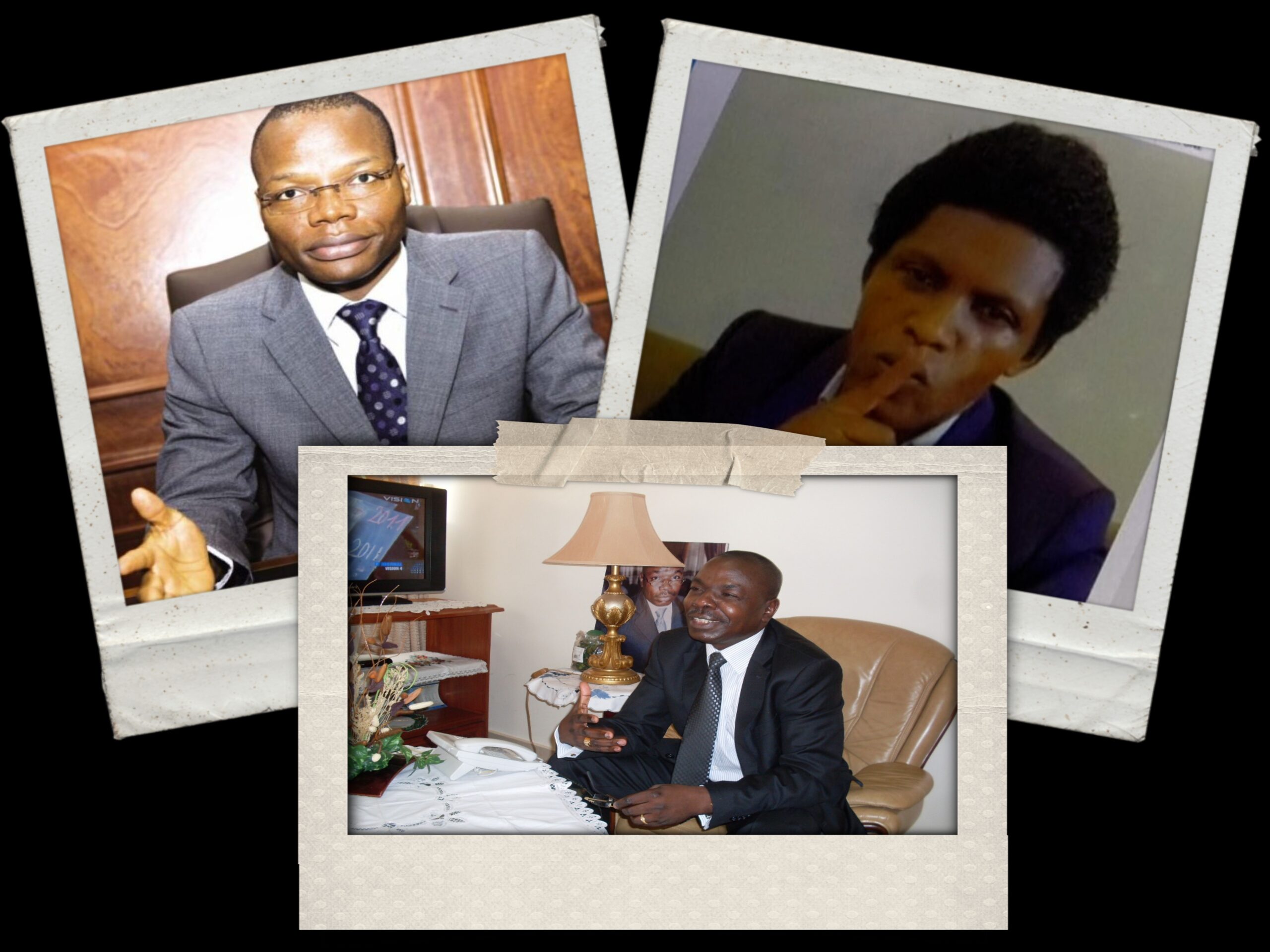
From Yaoundé to IMF: What Did Modeste Mopa’s Sudden Transfer Hide?
The latest twists in the Martinez Zogo trial have raised pressing questions about the rapid reassignment of a key financial official. This analysis examines the implications of Modeste Mopa’s sudden move to the IMF.
When a senior Cameroonian finance official was abruptly reassigned to the International Monetary Fund just days after the brutal murder of investigative journalist Martinez Zogo, questions naturally arose about the timing and motivations behind the move.
What really happened in those critical hours between Zogo’s disappearance on January 17, 2023, and Modeste Mopa’s sudden transfer to the IMF on January 27? The answers may reveal more than just administrative procedures—they could expose the inner workings of a political system where power struggles and unspoken rules dictate outcomes.
Psychological pressure as a political tool
On the surface, the reassignment appears routine: a high-ranking civil servant taking up a new post at an international institution. But the circumstances suggest something far more calculated. The chilling phrase—“We will resume psychological pressure on him”—uttered by Lieutenant-Colonel Justin Danwé to Mopa, was not an idle comment. It was a warning. A signal that Mopa had become a pawn in a dangerous game.
In Cameroon’s political landscape, words from those in power are rarely mere suggestions. They are declarations of intent, often backed by subtle—or not so subtle—coercion. The Latin maxim “Acta non verba” (“Actions, not words”) takes on new meaning here. The words themselves became instruments of control, long before any formal actions were taken.
Martinez Zogo: A journalist caught in the crossfire
Zogo’s investigations into fictitious contracts, tax evasion, and questionable financial flows had drawn attention to sensitive areas of the state’s operations. Documents he used originated from Mopa’s office, raising a critical question: Was Zogo acting as an investigative journalist—or as an unwitting messenger in a high-stakes political confrontation?
The night of January 22, 2023, when Zogo’s body was found mutilated and abandoned, sent a message. To whom? It’s still unclear. But within five days, Mopa was gone—transferred to the IMF. Was this a coincidence, or part of a coordinated effort to distance key figures from a rapidly escalating crisis?
The IMF posting: a calculated escape?
Questions swirl around Mopa’s sudden international appointment. How was he selected? Who proposed his name? What role did diplomatic networks play in facilitating this transfer? And most importantly—what responsibilities does he hold at the IMF?
International institutions like the IMF operate under strict transparency protocols. Yet, in this case, details about Mopa’s role remain conspicuously absent. Why the silence? Could it be that his presence at the IMF serves as a shield, protecting certain interests from closer scrutiny?
An investigation with international implications
With phone records, internet blackouts, and cross-border communications now part of the record, the Zogo case is no longer confined to Cameroon. The inclusion of a high-ranking official now stationed at the IMF raises a new dimension: Could this case transcend national borders? Could international pressure force long-overdue answers into the open?
At the heart of the matter is a web of financial control. Budget lines 94 and 65, once obscure administrative tools, became weapons in a silent war. Tax audits were wielded as levers of influence. Media campaigns were orchestrated to shape public perception. And in the center of it all stood a journalist—sacrificed, perhaps, to send a message to others who might dare to question the system.
The anatomy of a modern tragedy
This is not just a political scandal. It is a philosophical one. It forces us to confront fundamental questions: What is the value of truth in a system where silence is enforced? What is the price of a life in a country where fear is the preferred language of governance?
The Latin legal principle “Fiat justitia, ruat caelum”—“Let justice be done, though the heavens fall”—echoes through history as a call for accountability. But in Cameroon, justice often seems paralyzed by the fear of what might happen if the truth comes to light.
So let’s ask the hard questions: Was Martinez Zogo silenced to exert psychological pressure on a rival? Or was his murder a calculated warning to others who might challenge the status quo? And if this case takes on international dimensions, how many more truths will be buried before the light finally breaks through?
The dead still speak. Their voices demand answers. And Cameroon’s conscience cannot remain silent forever.
Be the first to comment
Comments