
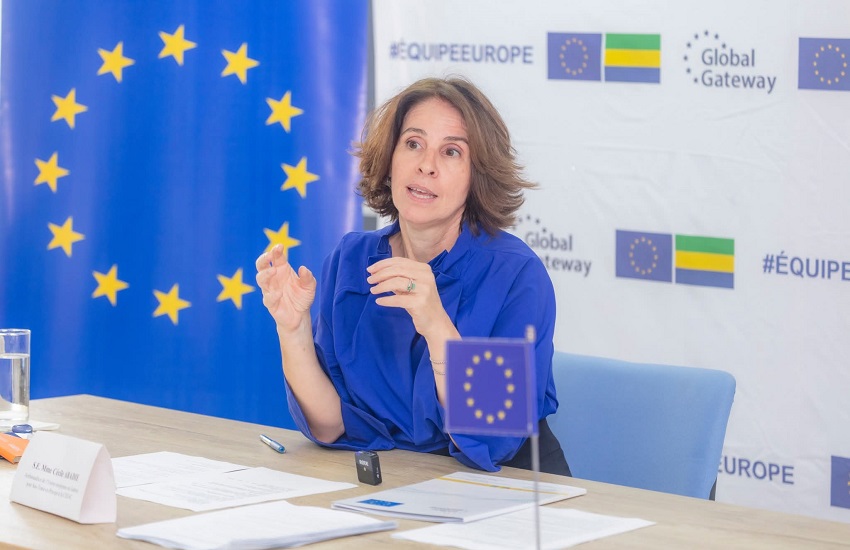
Gabon and European Union strengthen ties through renewed political dialogue
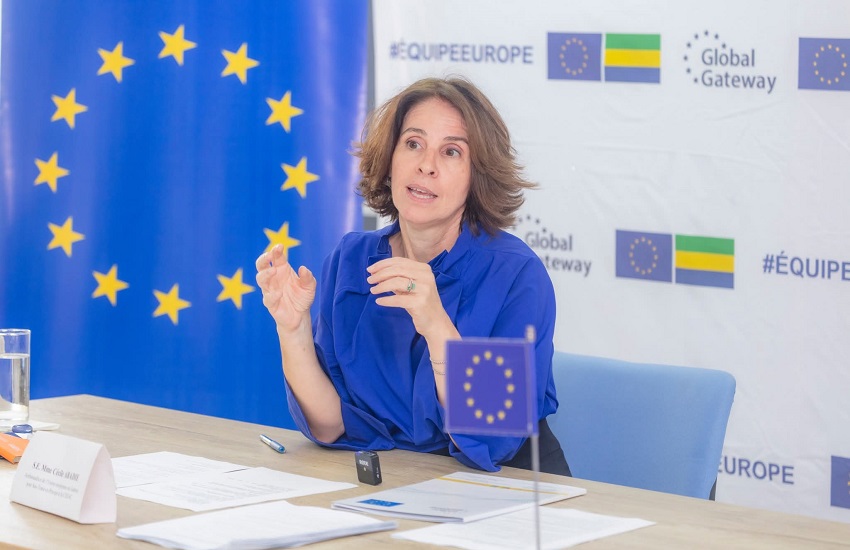
The launch of the second Political Dialogue between Gabon and the European Union this Monday in Libreville represents far more than a standard diplomatic gathering. Beyond the formal speeches and institutional consultations, a significant shift in strategy is taking place.
Gabon is determined to leverage its current political stability to drive economic transformation. Simultaneously, the European Union is looking to modernize its role in Africa, moving toward a partnership centered on direct investment, local value creation, and shared sovereignty.
In an era defined by global geopolitical tensions and a race for strategic resources, this dialogue sends a powerful message. Under the framework of the Fifth Republic, Gabon is positioning itself as a proactive economic player ready to attract capital, upgrade its administration, and foster growth through the local processing of its natural wealth.
Opening the proceedings at the Palais des Congrès de la Cité de la Démocratie, Vice-President Hermann Immongault set a clear tone. He emphasized a mutual commitment to strengthening cooperation through multilateralism, peace, security, and sustainable development. This approach highlights Gabon’s new diplomatic doctrine, which prioritizes tangible economic results.
A partnership evolving in scale
For decades, the relationship between Gabon and the European Union was primarily defined by political exchanges and development aid. The current session marks a pivotal transition. The head of the European Union delegation noted that this partnership is now rooted in a shared economic agenda, reflecting a deep shift in European strategy across the continent.
As new international players from Asia and the Middle East gain influence, Brussels is repositioning itself as an investment catalyst rather than a traditional donor. For Gabon, this transition creates fresh opportunities in infrastructure, industrialization, energy, and economic diversification. The goal is to reduce the nation’s historical reliance on raw material exports by building high-value industries that generate local jobs.
The Fifth Republic and the path of reform
This meeting takes place during a critical period of national renewal. Since the inauguration of President Brice Clotaire Oligui Nguema and the establishment of the Fifth Republic, Gabon has embarked on extensive institutional and economic reforms.
Discussions with European representatives are focusing on political governance, the rule of law, the business climate, and administrative efficiency. These areas are viewed as vital for boosting the country’s international appeal. Foreign Minister Marie Edith Tassyla Doumbeneny pointed out that these talks allow for a comprehensive review of the ties between Libreville and Brussels, both at the community level and through bilateral relations with individual member states.
The Samoa Agreement now serves as the guiding framework for this cooperation, prioritizing good governance, the energy transition, and economic resilience. These pillars align perfectly with the strategic objectives set by Gabonese authorities to support the national transformation plan initiated in 2023.
Positioning Gabon as a regional investment hub
A notable change in Gabon’s international stance is evident in this dialogue. The country is no longer merely seeking financial support; it is actively courting productive investments to accelerate its economic evolution. Key priority sectors include timber processing, mining, infrastructure, agriculture, digital technology, and renewable energy.
The sustainable management of natural resources remains a cornerstone of the discussions. Gabon, a global leader in preserving the Congo Basin forests, intends to use its environmental assets as a driver for green growth while maintaining its influence in international climate negotiations.
This strategy reflects a broader vision of economic sovereignty. As Hermann Immongault noted, this dialogue serves as an exercise in economic diplomacy where Gabon consistently defends its strategic interests. Moving forward, the success of this partnership will be measured by the volume of investment mobilized and the successful implementation of shared projects.
This political dialogue stands as one of the first major international milestones for the Fifth Republic. It illustrates Libreville’s ambition to turn political capital into a powerful engine for development. In a competitive global landscape, Gabon is choosing strategic openness and investment as the primary vehicles for its emergence on the world stage.