

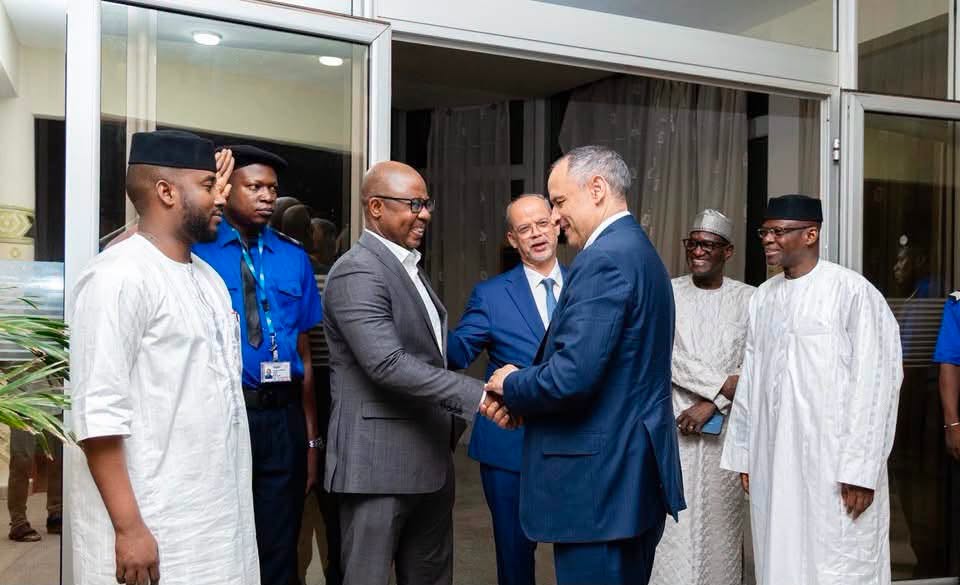
The Mali-Morocco partnership enters a decisive phase with a landmark summit in Bamako
Bamako is set to host a pivotal meeting as Mali and Morocco launch their fourth Grand Joint Cooperation Commission from July 21 to 24, 2026. This high-level gathering marks a turning point in bilateral relations, bringing together government officials, economic experts, and business leaders to chart the future of their alliance.
The four-day event will serve as a strategic platform to assess ongoing initiatives, consolidate achievements, and set ambitious new goals. On July 24, ministers from both nations will convene for a plenary session, but the preparatory groundwork begins two days earlier with technical discussions led by specialists.
A strategic forum for economic convergence
The third day, July 23, will focus entirely on the Mali-Morocco Business Forum, a dedicated space to foster economic synergy. This platform aims to strengthen commercial ties, attract investments, and launch joint ventures that generate sustainable value for both nations. Entrepreneurs and investors will explore opportunities across key sectors, reinforcing economic integration.
Key sectors under the spotlight
The summit will prioritize discussions on sectors critical to both countries’ development agendas, including:
- Trade and investment: Expanding market access and strengthening commercial flows
- Agriculture: Enhancing food security through technology and best practices
- Infrastructure: Accelerating cross-border connectivity projects
- Energy and mining: Unlocking new opportunities in renewable and extractive industries
- Health and education: Building capacity through knowledge exchange
- Security and cultural exchange: Strengthening regional stability and people-to-people ties
The agenda reflects a shared vision to deepen collaboration in areas with high growth potential, ensuring mutual benefits for Mali and Morocco.
Legal frameworks and future commitments
A major outcome of the summit will be the signing of several agreements and memorandums of understanding. These instruments are designed to solidify the legal foundations of cooperation and streamline the implementation of new joint initiatives. The anticipated accords will provide a robust framework for long-term partnership.
The closing ministerial session will be particularly significant, as it will outline the strategic roadmap for Mali-Morocco relations in the coming years. The outcomes are expected to set the tone for a new era of collaboration built on trust, mutual respect, and shared ambitions.
The summit underscores Bamako and Rabat’s commitment to fostering a dynamic and resilient partnership that adapts to evolving regional and global challenges.