
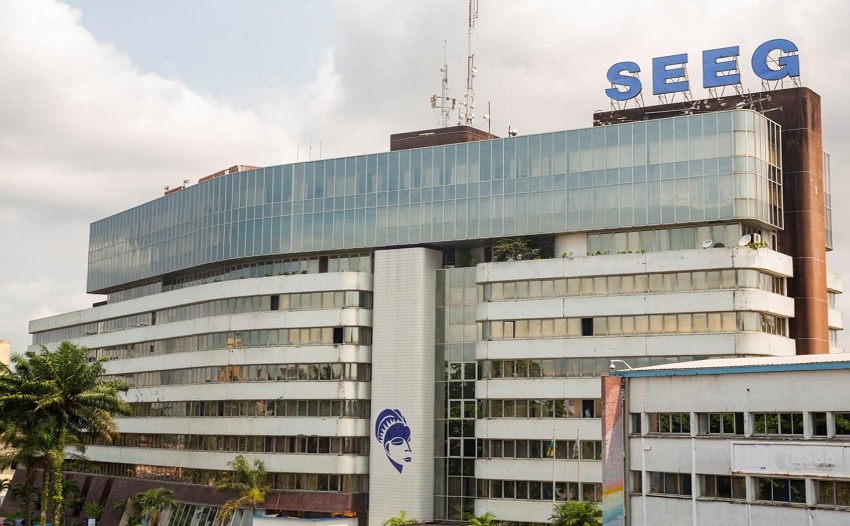
Gabon faces scrutiny over water and electricity crisis amid massive state investment
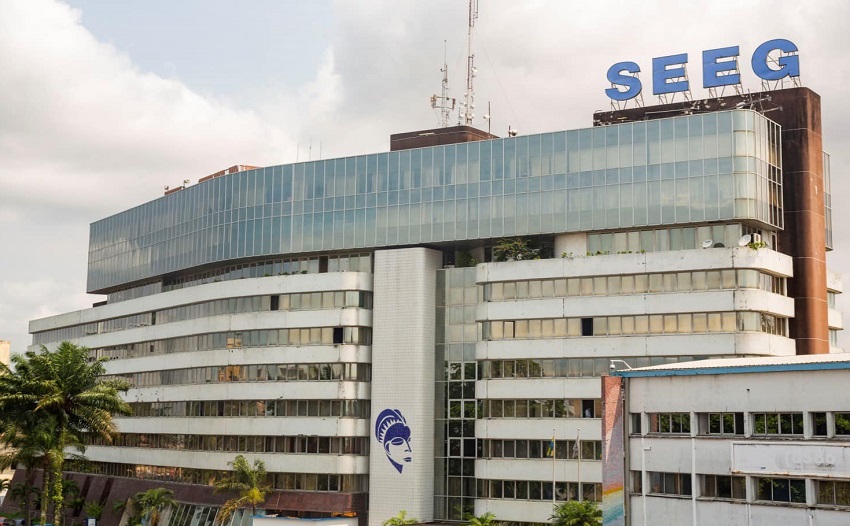
Libreville, Monday, June 22, 2026 — Gabon’s water and electricity crisis has escalated into a political firestorm. For the first time since the transition began, the Union Démocratique des Bâtisseurs (UDB), the party founded by President Brice Clotaire Oligui Nguema, has publicly and firmly challenged the Société d’énergie et d’eau du Gabon (SEEG).
The question at the heart of this confrontation is stark: How can nearly one trillion CFA francs have been allocated by the state over three years without any noticeable improvement in daily life for citizens?
In an unusually direct statement, the UDB’s political office, led by Jean-Pierre Oyiba, condemned the persistent shortcomings of an operator responsible for two essential national services. This bold move exposes the depth of public frustration over a situation that has become unbearable for households and businesses alike.
The crisis reaches national proportions
Gabonese citizens are all too familiar with the issues: repeated power cuts, prolonged outages, water shortages in neighborhoods across Libreville and rural areas, aging infrastructure, and delays in modernization projects.
The UDB argues that the problem can no longer be blamed solely on past legacies. The party emphasizes that the state has poured unprecedented financial resources into reviving the energy sector. These funds were meant to rehabilitate facilities, expand production capacity, modernize distribution networks, and improve access to clean water.
Yet despite this massive investment, results remain far below expectations.
The economic fallout is severe. Businesses are drowning in generator costs, shops face lost revenue, and families endure a declining quality of life. In a country aiming to become a regional investment hub, reliable energy is a critical factor for attracting capital and sustaining economic activity.
The UDB shifts focus to accountability
Beyond criticism, the UDB’s statement raises a fundamental question about public governance.
Water and electricity are not mere commercial services—they underpin public health, education, security, economic competitiveness, and social stability. Effective management requires competence, transparency, and efficiency.
By highlighting the gap between allocated funds and delivered results, the ruling party introduces a rarely discussed concept in this debate: managerial accountability. The political formation asserts that SEEG leaders must now justify their performance and explain how resources were used. This stance implies that the current challenges stem less from financial shortages and more from execution failures.
This political distancing also reveals a broader strategy. As public discontent grows, the UDB seeks to separate the executive’s political will from the company’s operational management. The message to the public is clear: resources have been provided; it is now up to managers to prove their ability to deliver results.
A litmus test for the transition
The stakes extend far beyond SEEG alone. Since August 2023, the transitional authorities have prioritized improving living conditions. Yet few issues impact daily life as profoundly as access to water and electricity.
The energy crisis has become a credibility test for the state. The question is no longer about how much money was spent but why those investments have yet to translate into satisfactory services.
The UDB’s public challenge marks a turning point. It signals that political patience is wearing thin and that a results-driven culture is finally taking root in public discourse.
What remains to be seen is whether this pressure will lead to sweeping reforms, a restructuring of SEEG’s governance, or leadership changes within the company.
Ultimately, for the people of Gabon, the only meaningful response will come not from speeches or budget figures but from the day clean water flows reliably from their taps and electricity becomes a certainty rather than a daily uncertainty. That is the benchmark by which SEEG’s leaders—and the transition’s ability to convert public funds into tangible results—will be judged.