
Gabon modernizes public revenue collection with integrated tax and customs strategy
Libreville, July 19, 2026 – A nation’s ability to fund its growth hinges on securing its revenue streams. In Gabon, this principle is taking on new significance. By merging the operational strategies of Customs and Tax authorities under a unified framework, the government is prioritizing integrated public finance governance.
This move goes beyond routine administrative alignment. It signals a fundamental shift in public policy where inter-agency collaboration becomes a cornerstone of financial sovereignty, economic transparency, and fraud prevention.
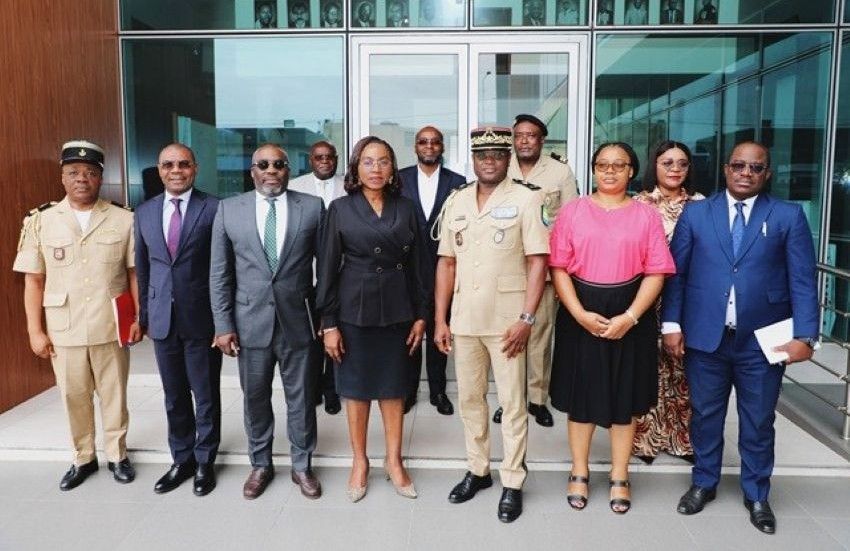
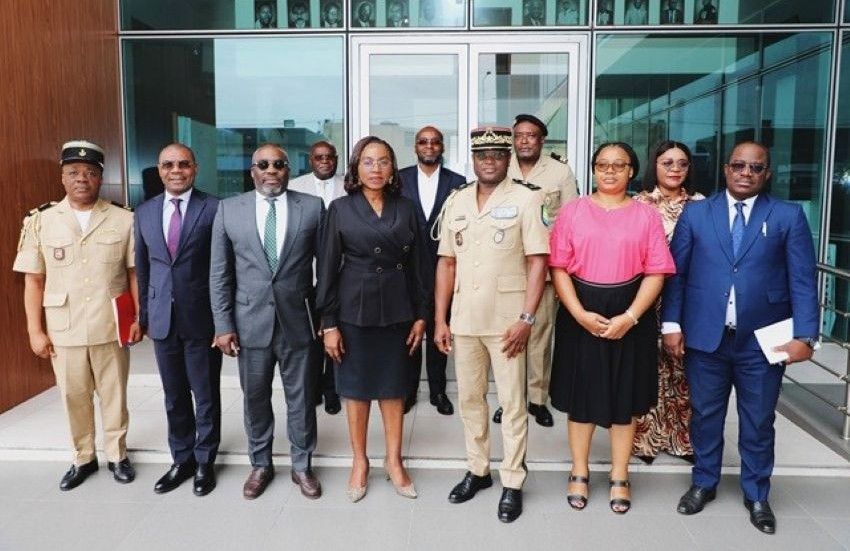
On July 14 in Libreville, the Director-General of Customs and Indirect Taxes, Brigadier General Hugues Modeste Odjangou, and the Director-General of Taxes, Édith Laure Oyaya épouse Mbiguidi, launched a strategic initiative to deepen operational coordination between Gabon’s two primary revenue collection agencies. This effort aligns with the government’s push to prioritize domestic resource mobilization, supporting major investments in infrastructure, public services, and economic diversification.
A new public revenue management doctrine
In modern economies, fiscal and customs administrations no longer operate in isolation. Data sharing, information cross-referencing, and coordinated audits significantly enhance tax yield while minimizing fraud opportunities. Gabon is now formalizing this approach.
During the working session, the leaders identified key priorities: shared fiscal and customs intelligence, coordinated field audits, pooled operational resources, and joint strategies to combat tax evasion, customs violations, and illicit trade networks.
This initiative reflects the vision of President Brice Clotaire Oligui Nguema, who advocates for a more streamlined, results-driven administration.
With every public franc critical to national development, securing revenue streams is now central to governance.
Institutionalized cooperation takes shape
This transformation is backed by a robust legal framework. Both agencies confirmed that Order No. 073/MEFDPLVC of April 10, 2026, establishing the Joint Tax-Customs Commission, now serves as the institutional backbone of this collaboration. The framework mandates joint audits under CEMAC Customs Code provisions and facilitates smoother information flow between the two bodies.
Gabon is aligning itself with regional leaders like Rwanda, Morocco, and Côte d’Ivoire, where closer fiscal-customs cooperation has yielded measurable gains in budget performance while curbing tax evasion and informal economic activity.
Upcoming technical sessions will focus on operationalizing the joint commission, ensuring policy implementation, and coordinating future collaborative initiatives.
A reform with far-reaching impact
This milestone redefines Gabon’s public sector landscape. Historically siloed as distinct entities, Customs and Tax authorities now share a unified mission. Together, they account for the bulk of state revenue, making their integration pivotal to expanding fiscal space without imposing undue burdens on compliant taxpayers.
The primary targets remain fraudulent declarations, opaque trade channels, and practices that divert essential public funds from development priorities.
This institutional alliance also sends a clear signal to international partners, investors, and financial agencies. It underscores Gabon’s commitment to modernizing economic governance, safeguarding domestic revenue, and enhancing the credibility of its financial administration.
Beyond administrative restructuring, this partnership embodies a broader ambition: building a state that protects its resources, funds national priorities through internal revenues, and fosters a more efficient, transparent, and performance-oriented administration. In this context, the collaboration between Customs and Tax authorities is not just an administrative merger—it is a pillar of Gabon’s evolving financial architecture.