
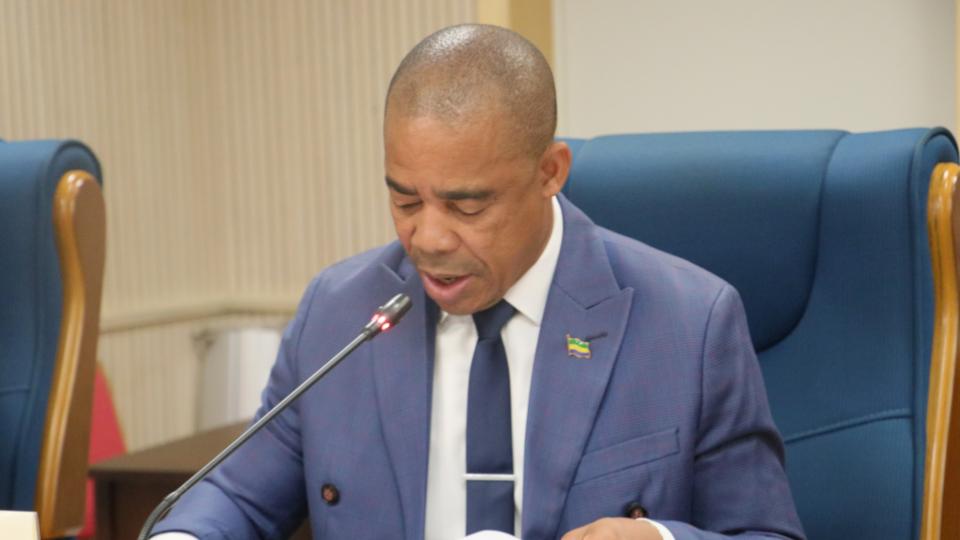
Gabon is taking a stand against major tech companies from the US and China. The Senate in Libreville is currently debating a new bill proposed by the executive branch aimed at strictly regulating social media platforms within the country. This legislative move seeks to address a long-standing legal gap that has concerned both government officials and civil society. A central requirement of the proposed law is that every major foreign platform must appoint a legal representative residing in Gabon.
In the past, platforms like Facebook, TikTok, and X operated in the country without any local point of contact. This lack of presence hindered official communication regarding judicial inquiries, content moderation, and cybersecurity issues. By mandating a local representative, the government aims to rebalance the relationship between the state and these massive corporations, mirroring regulatory approaches seen in the European Union and Brazil.
This legislative push comes at a sensitive time. Since February 2025, the government has occasionally restricted access to social networks for public order reasons. However, these measures have seen limited success as Gabonese citizens have turned to VPNs to bypass restrictions, highlighting the difficulty of state-level digital control.
Balancing national security and individual freedoms
Supporters of the bill argue that it is essential for establishing digital sovereignty, similar to paths taken by Kenya and Nigeria. During Senate discussions, proponents have emphasized the need to protect minors, eliminate hate speech, and combat the spread of misinformation.
Conversely, civil society groups are raising alarms. There are fears that these new legal tools could be used to suppress free speech, a sensitive issue during democratic transitions in Africa. Observers are closely watching to see what specific penalties will be imposed on companies that fail to comply with the new standards.
Economic attractiveness and the road ahead
The ultimate impact of this law depends on how giants like ByteDance and Meta respond. With a population of roughly 2.5 million, Gabon represents a small market for these global entities. Overly stringent regulations might deter tech investment, particularly in the growing data center sector in Central Africa. However, a fair regulatory framework could enhance Libreville‘s international standing. Current parliamentary debates indicate a strong desire from the leadership to move forward quickly with these reforms.