
Gabon shifts focus to local industrial processing of natural resources
Libreville — As global industrial powers race to secure reliable supplies of critical minerals, a significant shift is occurring within producing nations. The focus is no longer just on extraction, but on the strategic creation of local value.
For decades, many resource-rich countries were relegated to the role of raw material providers. Today, these nations are reclaiming their economic agency. During a high-level summit in Bruxelles, organized by the Organisation des États d’Afrique, des Caraïbes et du Pacifique and the Banque européenne d’investissement, Gabon presented a bold vision for its industrial future.
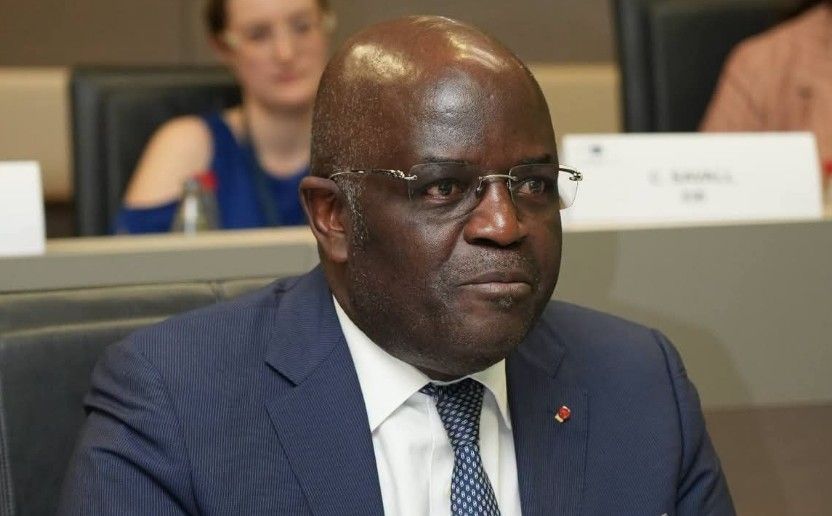
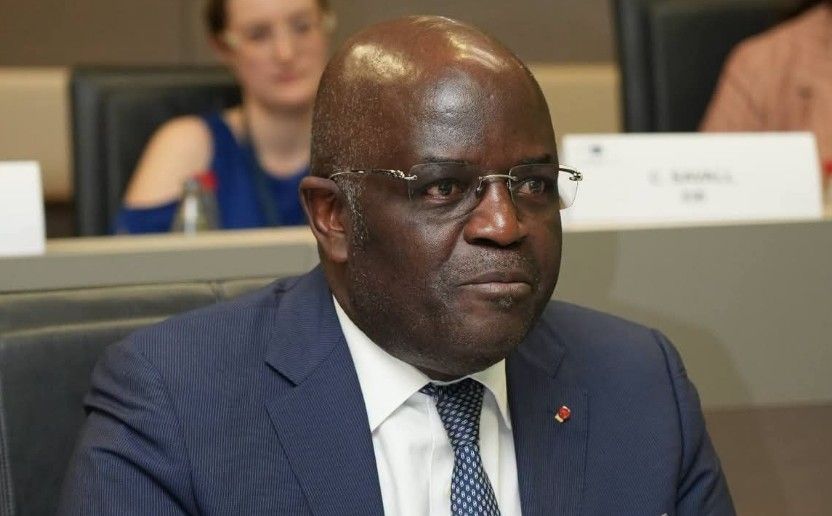
Represented by Eudes Régis Immongault Tatangani, the Ambassador to the Royaume de Belgique and the Union européenne, the country advocated for a modernized economic contract. This new framework moves away from the simple export of raw goods, focusing instead on local processing and the integration of resources into comprehensive industrial value chains.
Moving beyond the traditional extractive model
The global surge in demand for critical raw materials is fueled by the energy transition, the digital revolution, and the rise of cutting-edge technologies. From electric vehicle batteries to renewable energy systems and artificial intelligence, the world requires minerals that are largely found across Afrique.
According to Eudes Régis Immongault Tatangani, this global demand presents a historic chance for producing countries to abandon the rent-seeking economic models of the past. The Gabon diplomat emphasized that a nation’s true wealth is not found in the ground, but in its ability to convert those resources into sustainable growth, skilled employment, and industrial advancement.
This perspective is gaining traction among international economists. Countries that only export raw materials often capture only a fraction of the total economic value. The most significant profits are typically generated during the industrial processing, manufacturing, and innovation stages—processes that have historically occurred elsewhere. Gabon is now determined to correct this imbalance.
Developing African value chains
The Gabon strategy involves an integrated approach that spans from the mine to the factory. Success in this area requires substantial investments in energy, rail, port, and logistics infrastructure to ensure a competitive industrial environment.
This message delivered in Bruxelles aligns with Libreville’s ongoing economic policy. For several years, the government has been implementing initiatives to encourage the local processing of national resources, particularly in the timber, mining, and manufacturing sectors.
The objective is clear: gradually decrease the reliance on raw exports while fostering industrial activities that generate more wealth within the national territory. This shift also reflects a new geopolitical reality where producing nations demand to be treated as full industrial partners rather than just suppliers for developed economies.
The necessity of balanced partnerships
Beyond physical infrastructure, the Gabon representative highlighted the importance of high-quality international partnerships. He argued that alliances between states, private investors, and financial institutions must include clear mechanisms for technology transfer and local skill development.
Economic sovereignty is built on more than just natural abundance; it requires the mastery of technical expertise and the technologies needed to add value. By taking this stand, Gabon is asserting its role in reshaping international economic relations, aiming to turn its natural potential into an industrial engine.
The competition for critical minerals will not be decided at the extraction site alone. It will be won in factories, research centers, and training schools. This is the conviction Gabon brought to the international stage—a vision that could redefine the continent’s economic landscape for decades to come.