
Gabon’s 2027 budget: balancing priorities and long-term vision
Libreville, Tuesday, July 14, 2026 — Gabon stands at a pivotal moment in its economic calendar. Beyond the spreadsheets and accounting figures lies the foundation for the country’s future trajectory. The budget conferences kicking off today mark the first decisive step in shaping the 2027 Finance Law, a document that will crystallize the nation’s economic, social, and institutional ambitions.
The process, led by Vice-President of the Government Hermann Immongault, brings together key economic stakeholders to navigate the complexities of resource allocation. With global economic uncertainties, rising inflation, and mounting public demands for affordable living standards and accessible public services, the stakes could not be higher.
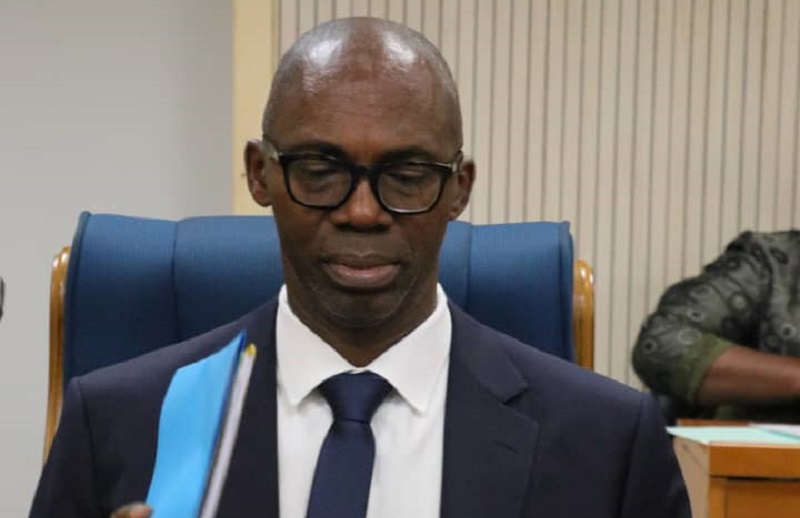
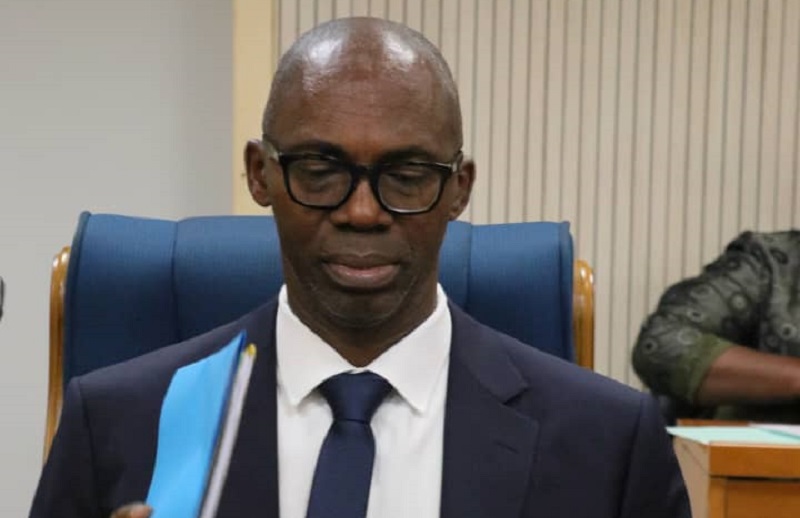
Thierry Minko, Minister of Economy, Finance, Debt, and State Participation—tasked with addressing the cost-of-living crisis—outlined the meticulously structured timeline for these critical discussions. Each member of the executive will contribute to defining a budget that prioritizes efficiency, tangible impact, and social progress.
Putting purchasing power first
At the heart of Gabon’s budgetary strategy lies a resolute commitment to safeguarding household purchasing power and enhancing citizens’ well-being. In a global economy still reeling from geopolitical tensions, volatile commodity prices, and soaring living costs, this approach represents a deliberate political choice.
The government is shifting its focus toward sectors capable of delivering immediate benefits to everyday life. Healthcare, education, infrastructure, productive investment support, food security, and social policies are poised to receive substantial allocations. Thierry Minko emphasized that these conferences will unfold in two distinct phases: an initial ministerial review to align departmental priorities with financial needs, followed by a rigorous technical assessment of project feasibility and fiscal compatibility.
This dual-phase approach aims to enhance the quality of public spending and prevent the inefficiencies observed in past budget cycles.
A transformative role for the National Plan
Another defining feature of this budgetary cycle is the centrality of Gabon’s National Growth and Development Plan (PNGD). Now finalized and endorsed by authorities, the PNGD will serve as the guiding framework for all public action.
“The 2027 budget will be built around the PNGD,” declared Thierry Minko. This declaration signals a fundamental shift in Gabonese economic governance—a departure from the era when annual budgets were perceived as disconnected from long-term development strategies. The new approach demands that every infrastructure project, policy initiative, and public investment demonstrate its direct contribution to the national growth objectives outlined in the PNGD. The goal? To strengthen coherence in public policy and maximize the economic and social returns of every franc spent.
Striking a balance with the IMF
The coming months will also see renewed negotiations with the International Monetary Fund (IMF). On this front, the Gabonese government has set clear red lines: any future cooperation program must not compromise the social gains of recent years nor curtail investments deemed vital for the country’s development. This stance reflects a delicate balancing act between fiscal discipline and social justice.
The objective is twofold: preserve the nation’s financial credibility while maintaining the momentum of transformative investments essential for Gabon’s economic evolution. The constitutional calendar imposes a structured path to adoption, requiring the draft 2027 Finance Law to undergo reviews by the Economic, Social, and Environmental Council, the Court of Auditors, and the Council of State before final submission to the National Assembly.
For Hermann Immongault, this meticulous preparation is not just procedural—it is a safeguard against past budgetary dysfunctions. It empowers every government member to defend a budget that is realistic, coherent, and aligned with national priorities. After all, every budget line represents a societal choice.
The budget is far more than a financial document; it is the most tangible expression of a nation’s priorities, its developmental vision, and the social contract it upholds with its people. The conferences that begin today are not merely administrative formalities. They are the opening act of Gabon’s 2027 agenda.