
Gabon’s bold vision for education transformation by 2030
Libreville, July 16, 2026 — Gabon has just launched one of the most pivotal initiatives in its national transformation journey. By approving the interim sectoral education plan roadmap for 2026-2030, the Gabonese authorities have set a clear goal: to position the education system as the primary engine for economic diversification, social cohesion, and international competitiveness.
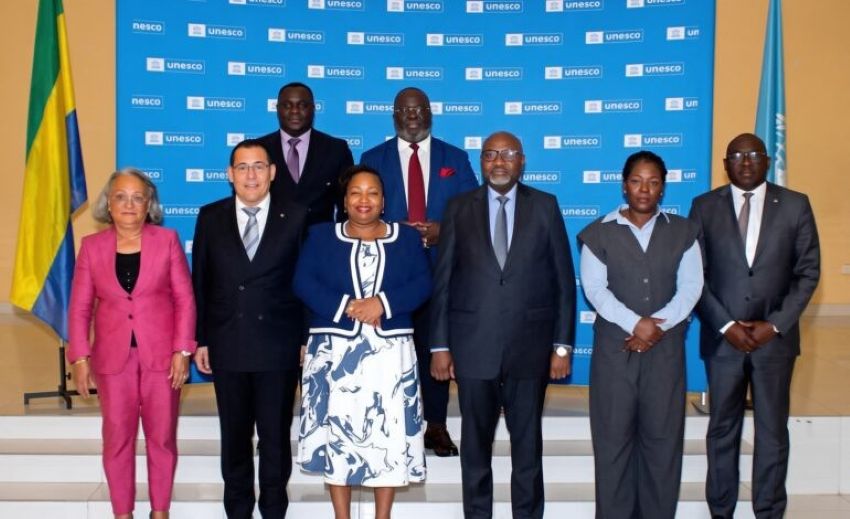
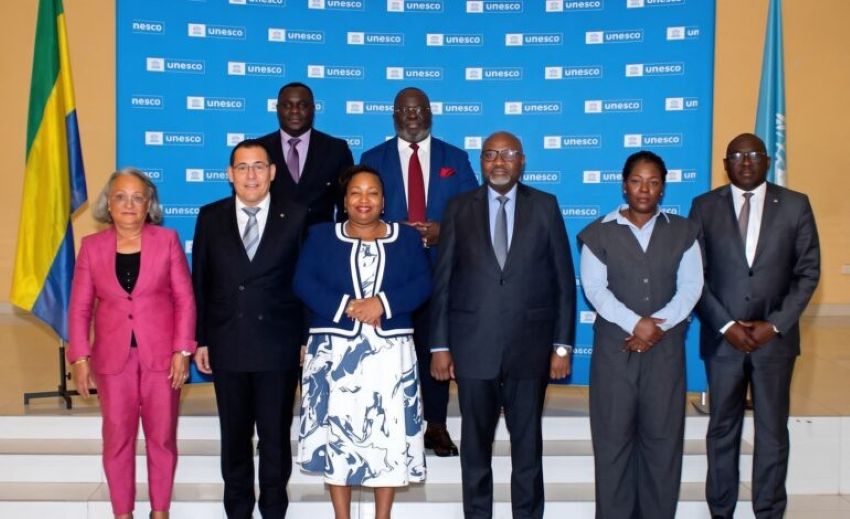
The framework, endorsed in a high-level meeting at the Alibandeng school complex, brings together government officials, technical and financial partners, and civil society organizations. Chaired by Minister of State for National Education Camélia Ntoutoume Leclercq and attended by UNESCO’s resident representative Patricio Zambrano Restrepo, the gathering marked the official kickoff for a five-year education reform agenda.
This concerted effort reflects a global consensus: no emerging economy can thrive without substantial investment in human capital. The Gabonese education system faces twin pressures—a burgeoning youth population demanding better infrastructure, training, and job opportunities, and an economy seeking to shift from extractive industries toward industrial processing, services, and digital innovation.
Four strategic pillars for a modern education system
The 2026-2030 roadmap outlines a phased implementation strategy structured around four key priorities. First, expanding and upgrading educational infrastructure to improve access, particularly in underserved regions. Second, elevating learning quality through teacher training, digital learning tools, and curriculum alignment with labor market demands. Third, modernizing sector governance to enhance transparency, efficiency, and resource management. Fourth, embedding inclusion by ensuring equitable access for children with special needs and vulnerable groups.
Education as a pillar of national sovereignty
The active involvement of UNESCO, UNICEF, and other international partners underscores the high stakes of Gabon’s education reform. Yet beyond technical support and funding, the true challenge is sovereignty—preparing young Gabonese to master emerging technologies, drive innovation, and meet the demands of a knowledge-based global economy. By transforming its schools, Gabon is not just investing in classrooms; it is securing its future prosperity and global standing.
This strategic pivot responds to a critical reality: tomorrow’s wealth will not come from natural resources alone, but from the skills, creativity, and expertise of a nation’s people. For a country like Gabon, where youth unemployment remains a pressing challenge, aligning education with economic needs is both a social and economic imperative.
From vision to execution: the test of credibility
Past education initiatives in Africa have often faltered due to inconsistent funding, weak governance, or lack of follow-through. The success of Gabon’s plan will hinge on sustained financing, robust monitoring, inter-agency coordination, and genuine buy-in from teachers and communities. Yet the very launch of this reform signals a strong national commitment.
Gabon is making a clear statement: the classrooms of today will shape the economy of tomorrow. In the global competition of the 21st century, nations will be judged not by their natural wealth, but by their ability to educate, innovate, and empower their citizens. This education revolution is Gabon’s path to economic resilience, social stability, and a leadership role in Africa’s future.