
Gabon’s Djoutou honey cooperative boosts local economy
Libreville — In the global debate on natural resource exploitation, one question has persisted for decades: How can territorial wealth be transformed into lasting prosperity for local communities?
In Gabon, far from the country’s vast oil deposits and manganese mines, the answer now takes shape in a honey production facility nestled within the Djoutou forest. What appears to be a modest initiative actually represents a groundbreaking shift in local development strategies, built on traditional expertise, community entrepreneurship, and rural economic empowerment.
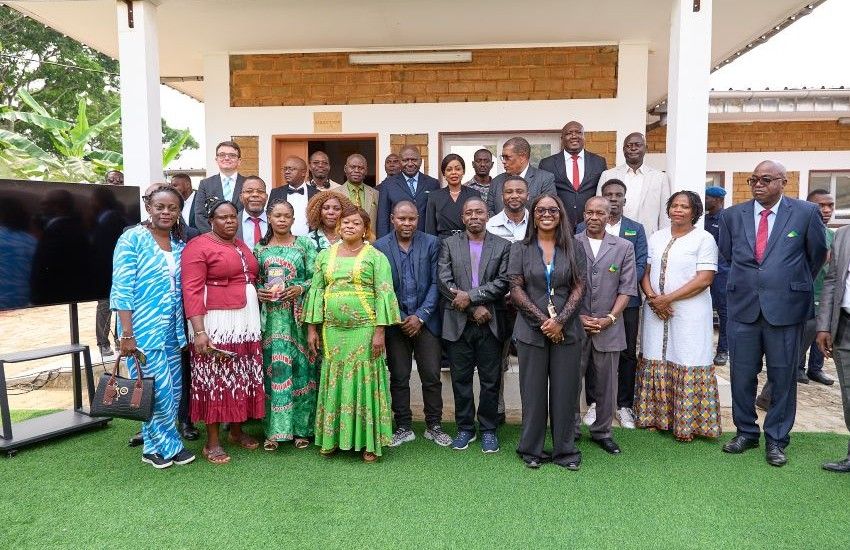
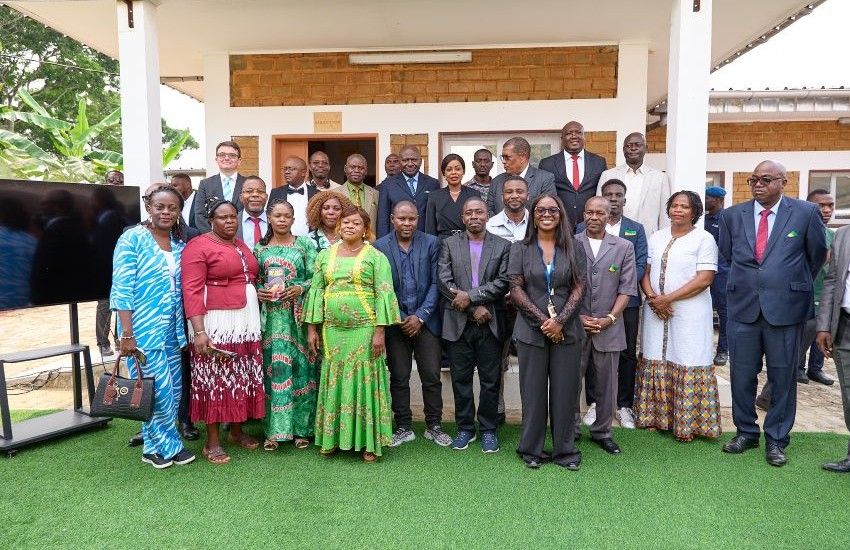
The inauguration of this facility on July 15, attended by the Minister of Entrepreneurship, Trade, SMEs, and Youth Entrepreneurship Zenaba Gninga Chaning, marks more than just the launch of a honey production unit. It symbolizes the rise of a development model where communities themselves become architects of their economic future.
From forest resources to sustainable wealth
The Djoutou collective brings together six villages united by a shared yet often overlooked heritage: traditional beekeeping. For generations, local populations have mastered honey collection and production in one of Africa’s most biodiverse forest environments.
The creation of the Mes-Bouyi-Mes-Mbouka community cooperative has been a game-changer. Moving beyond simple honey harvesting, the cooperative now oversees an entire value chain from production and processing to marketing, with products destined for markets beyond the region’s borders.
A 200 million CFA franc investment in this facility underscores the project’s ambition. With 100 hives already installed across three apiary sites and eight beekeepers, the cooperative is positioned to produce nearly 14 tons of honey annually. In a continent still heavily reliant on food imports, the emergence of a competitive local industry sends a powerful signal about self-sufficiency.
Community-driven economic responsibility
This initiative aligns with the social responsibility framework promoted by Eramet Comilog through its Act for Positive Mining program. The strategy moves beyond temporary financial compensation toward sustainable, income-generating activities that empower communities.
Minister Zenaba Gninga Chaning captured this philosophy succinctly: “The goal is no longer just to fund infrastructure but to nurture projects that can thrive independently and steadily strengthen community autonomy.”
This approach mirrors global trends in territorial development, which prioritize long-term productive investments over perpetual aid mechanisms.
Africa’s rural economies embrace value-added growth
While the immediate economic impact includes just ten direct jobs for local youth and women, the project’s true significance extends far beyond these figures.
The Djoutou honey facility is already planning to expand its product line, deepen partnerships with local producers, and position Djoutou honey as a premium national—and eventually international—brand. This strategy of climbing the value chain represents the initiative’s most innovative aspect.
Historically, African rural economies have focused on exporting unprocessed raw materials. The new wave of initiatives seeks to capture greater value locally through on-site processing and the creation of strong territorial brands.
As global consumers increasingly seek authentic, traceable, and environmentally responsible products, Africa’s forest territories hold enormous untapped potential.
The Djoutou honey cooperative exemplifies a growing conviction across the continent: Africa’s economic future depends not only on large-scale industrial or mining projects but also on its ability to transform local resources, ancestral knowledge, and human capital into engines of sustainable prosperity.
In this context, honey from Djoutou’s forests could become much more than an agricultural product. It may come to embody a new way of envisioning African development—rooted in local value creation, community entrepreneurship, and territorial economic sovereignty.