
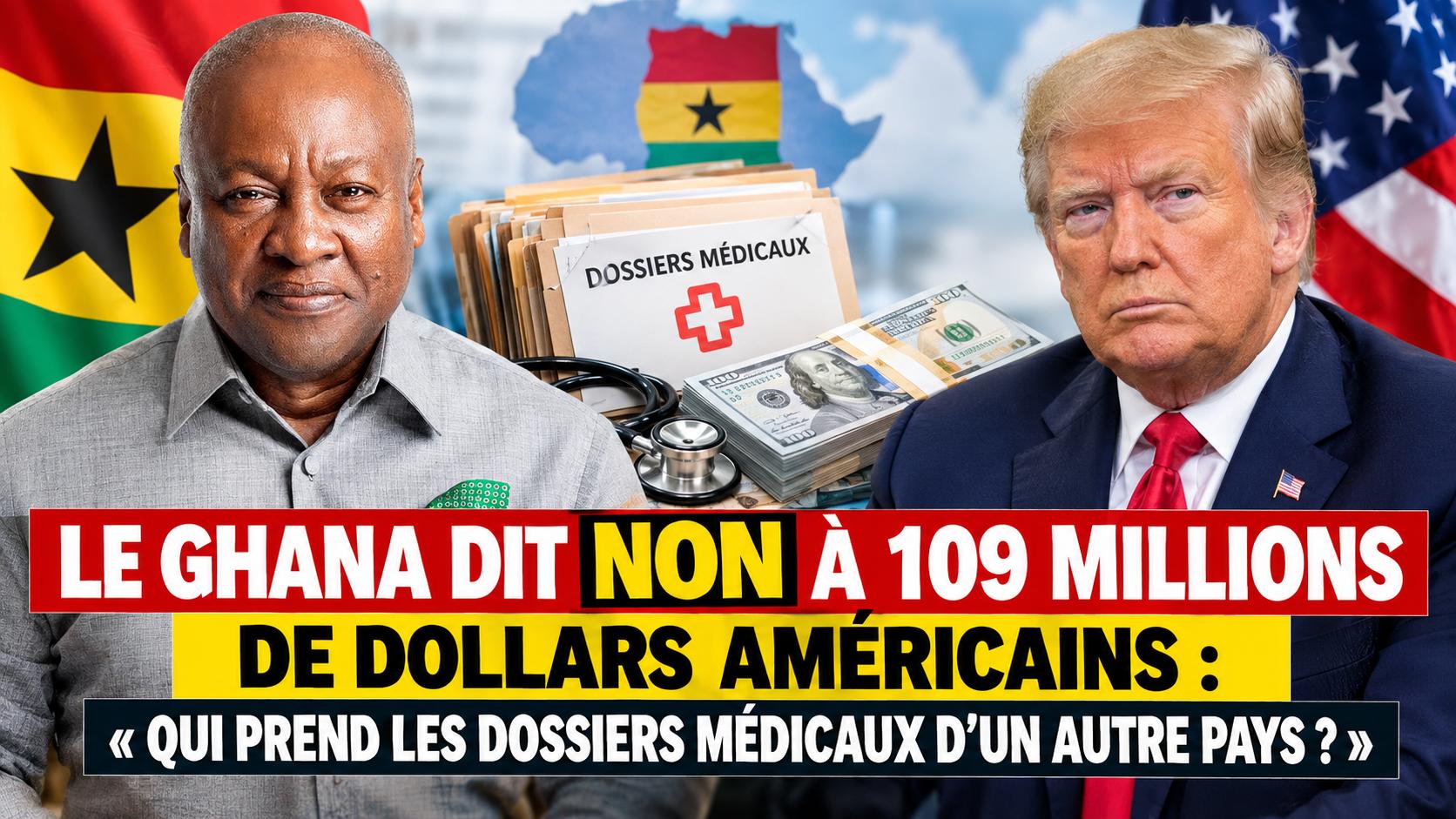
A decisive break: Ghana turns down US health funding over data concerns
In a move that marks a turning point for health sovereignty in Africa, Ghana has refused a major US health agreement valued at approximately $109 million over five years. The decision, confirmed by President John Dramani Mahama, underscores a growing determination to safeguard sensitive health data and pathogen information from foreign access.
The broader program was estimated at around $300 million, including expected contributions from Ghana. But for Accra, the price—ceding control over medical records and pathogen profiles—was too high. President Mahama, speaking at the Council on Foreign Relations in New York on September 25, posed a pointed question: “Who takes another country’s medical records?” His words have ignited a continent-wide debate on the true cost of foreign aid.
What Washington sought: access to sensitive health information
The rejected agreement would have granted US entities access to Ghana’s health data and pathogen information. Arnold Kavaarpuo, executive director of Ghana’s Data Protection Commission and a key negotiator, noted that some provisions could have allowed access to sensitive health data in ways that might identify individuals—far beyond standard public health needs.
Reports indicate that the draft would have provided 16 US companies with access to health and pathogen data. While the full text remains undisclosed, Ghanaian officials expressed serious reservations about the scope of access and the lack of legal safeguards for patients.
The power of health data: why it matters
Health data is more than statistics—it’s a strategic asset. It reveals disease patterns, outbreak trajectories, and vulnerable populations. Pathogen data can drive vaccine research and treatment development, making it invaluable for global health security.
This is why Ghana’s stance resonates across Africa. In February 2026, Jean Kaseya, director-general of Africa CDC, raised concerns about data-sharing provisions in US health agreements, warning that they often demand rapid sharing without guaranteeing African access to resulting treatments or vaccines. Ghana’s rejection is not an isolated case but part of a broader awakening.
Reducing dependency: Ghana’s push for health sovereignty
The rejection also reflects Ghana’s strategic shift away from foreign aid dependency. After the suspension of many US aid programs, Ghana faced a $156 million shortfall, including $78.2 million for essential health programs. In response, the Mahama government has championed “health sovereignty,” culminating in the September launch of the “A Sovereign Future for Health” report under the Accra Reset initiative. The plan aims to reduce reliance on external funding and strengthen domestic health systems.
Accra’s message is clear: partnerships are welcome, but only on balanced terms that respect national control.
Medicines and regulatory control: another sticking point
President Mahama also revealed that the draft agreement would have exempted certain medicines and medical products from oversight by Ghana’s Food and Drugs Authority (FDA). While US officials declined to comment on negotiation details, this provision—if accurate—explains Ghana’s firm stance. For Accra, health funding should never undermine the national regulator’s ability to ensure the safety of medicines used by its citizens.
Washington’s muted response and unanswered questions
The US State Department has not publicly detailed the contested clauses, stating only that it does not disclose bilateral negotiations and remains committed to partnering with Ghana. This opacity leaves critical questions unresolved: What exact data would have been shared? With which entities? Under what safeguards? For how long? Without full transparency, these concerns linger.
A debate beyond Ghana’s borders
Ghana’s decision raises a fundamental question for all African nations: when accepting health aid, must they also surrender control over their people’s health information? The digital transformation of health care has made data a strategic resource, and Ghana is drawing a line.
President Mahama asserts that the rejection followed thorough review by the Ministry of Health and the Cabinet, with full government support. Ghana now faces the challenge of filling the funding gap without compromising health programs. But for Accra, the choice is clear: better to seek alternative partners than accept terms deemed incompatible with sovereignty and data protection.
The debate has only just begun.