
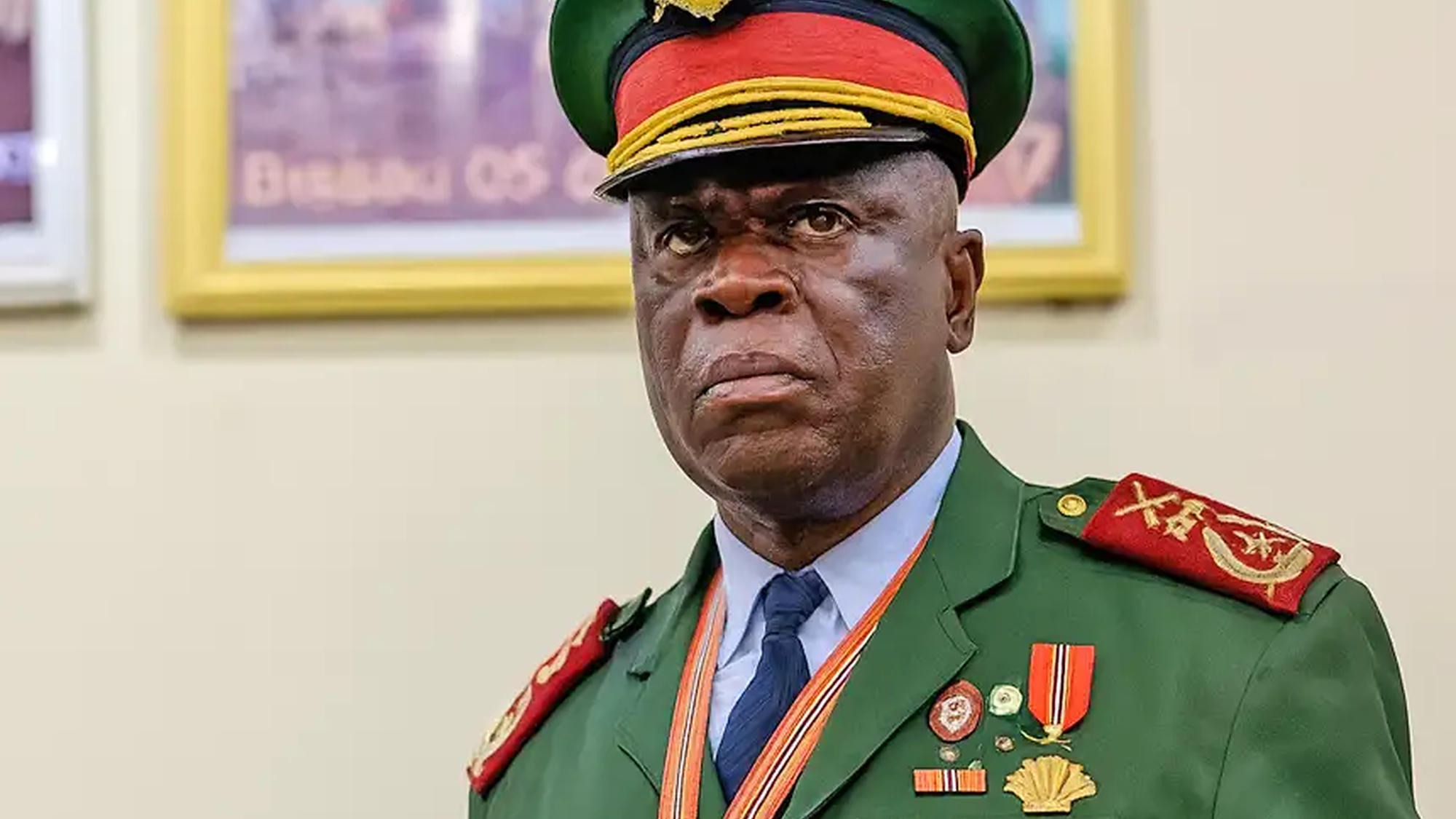
As Guinea-Bissau approaches its self-imposed deadline of December 6, 2026, the junta faces an existential question: can it fulfill its pledge to return power to civilians amid growing uncertainty over the electoral timeline? The stakes couldn’t be higher, with the promise of democratic transition hanging in the balance.
From contested elections to military intervention
The crisis unfolded following the November 2025 presidential election, which was marred by accusations of fraud from both the incumbent president Umaro Sissoco Embaló and opposition challenger Fernando Dias da Costa. Before the electoral commission could finalize results, the military intervened on November 25, citing threats to national stability. The junta alleged a plot to destabilize the country—though no independent verification of these claims has been presented.
The takeover disrupted a process mired in contention. According to the Africa Center for Strategic Studies, ballot materials were later destroyed, and opposition leaders were detained. This left a critical question unanswered: who truly won the election that the military had interrupted?
Transition promises under scrutiny
The military leadership framed its actions as a necessary intervention to restore order, pledging to guide Guinea-Bissau back to civilian rule. By January 2026, transitional authorities led by General Horta N’Tam had set December 6, 2026, as the date for presidential and legislative elections. Official decrees claimed that conditions were in place for a credible vote, with the junta leader explicitly barred from running.
Yet, skepticism has shadowed these assurances from the outset. Opposition figures remained behind bars or fled into exile, and the transitional legislature’s move to revise the constitution raised questions about the legitimacy of the process.
The constitution rewrite: democratic reform or power grab?
The transitional government pushed forward with constitutional changes, proposing a shift from a semi-presidential system to a more centralized presidential system. The reforms also included reducing parliament from 102 to 65 seats and slashing the number of districts from 29 to 12. While authorities argued these changes would stabilize institutions, opposition leaders—particularly from the PAIGC—viewed them as a mechanism to entrench military control.
The August 2026 constitutional referendum drew widespread boycotts from opposition parties and civil society groups. The new constitution passed, but its legitimacy is widely contested. Critics argue it contradicts the junta’s stated goal of restoring democracy, as it was drafted and approved under military auspices.
Can December 6th hold?
With the electoral commission warning that technical preparations won’t be ready in time and the prime minister questioning whether political parties are prepared for a credible vote, the December 6 deadline is increasingly in doubt. A postponement would not only delay the transition’s core objective but also deepen suspicions that the military has no intention of relinquishing power.
The debate extends beyond dates and logistics. At stake are fundamental freedoms: the ability of opposition candidates to campaign without harassment, the security of voters, and the neutrality of security forces overseeing the process. These factors will determine whether any election—rescheduled or not—can be perceived as legitimate.
The credibility test: what’s really at stake?
For the junta’s promise to resonate beyond slogans, concrete actions are essential. Releasing detained opposition leaders, ensuring unrestricted media access for all candidates, and guaranteeing the independence of electoral institutions are non-negotiable conditions. Failure to meet these benchmarks risks prolonging instability rather than resolving it.
Alternatively, an inclusive process that respects the rights of all stakeholders and adheres to a transparent timeline could mark the beginning of a true democratic transition. In Guinea-Bissau, the world will be watching to see if the junta’s post-coup commitment to civilian rule is more than just a temporary measure—or if it was simply a bridge to permanent military influence.