
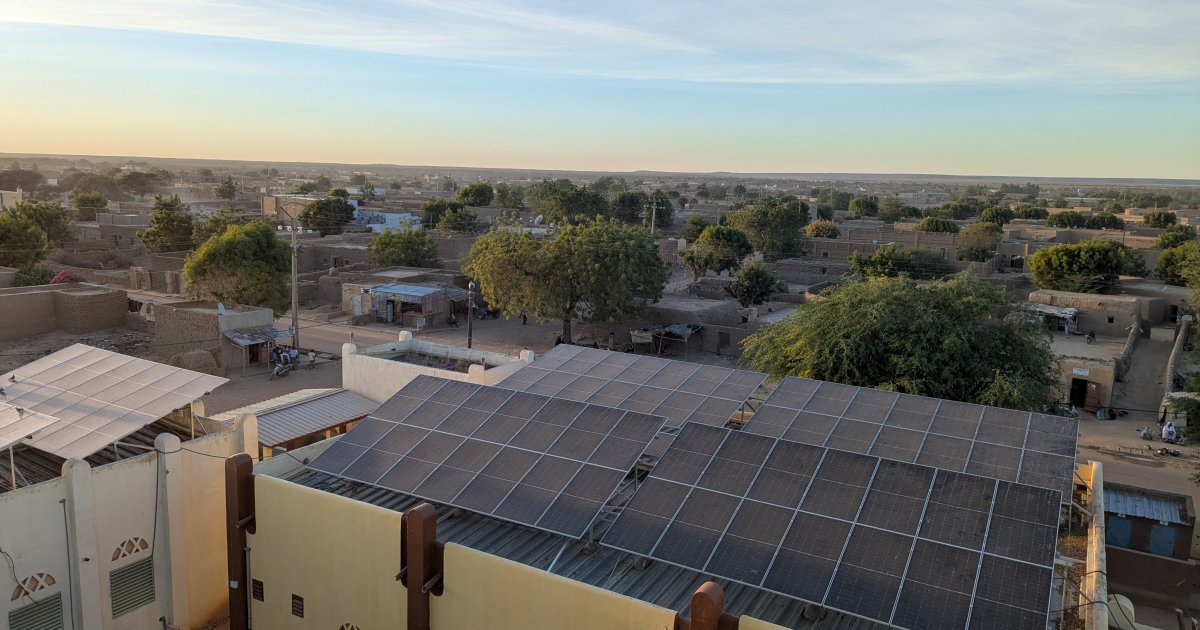
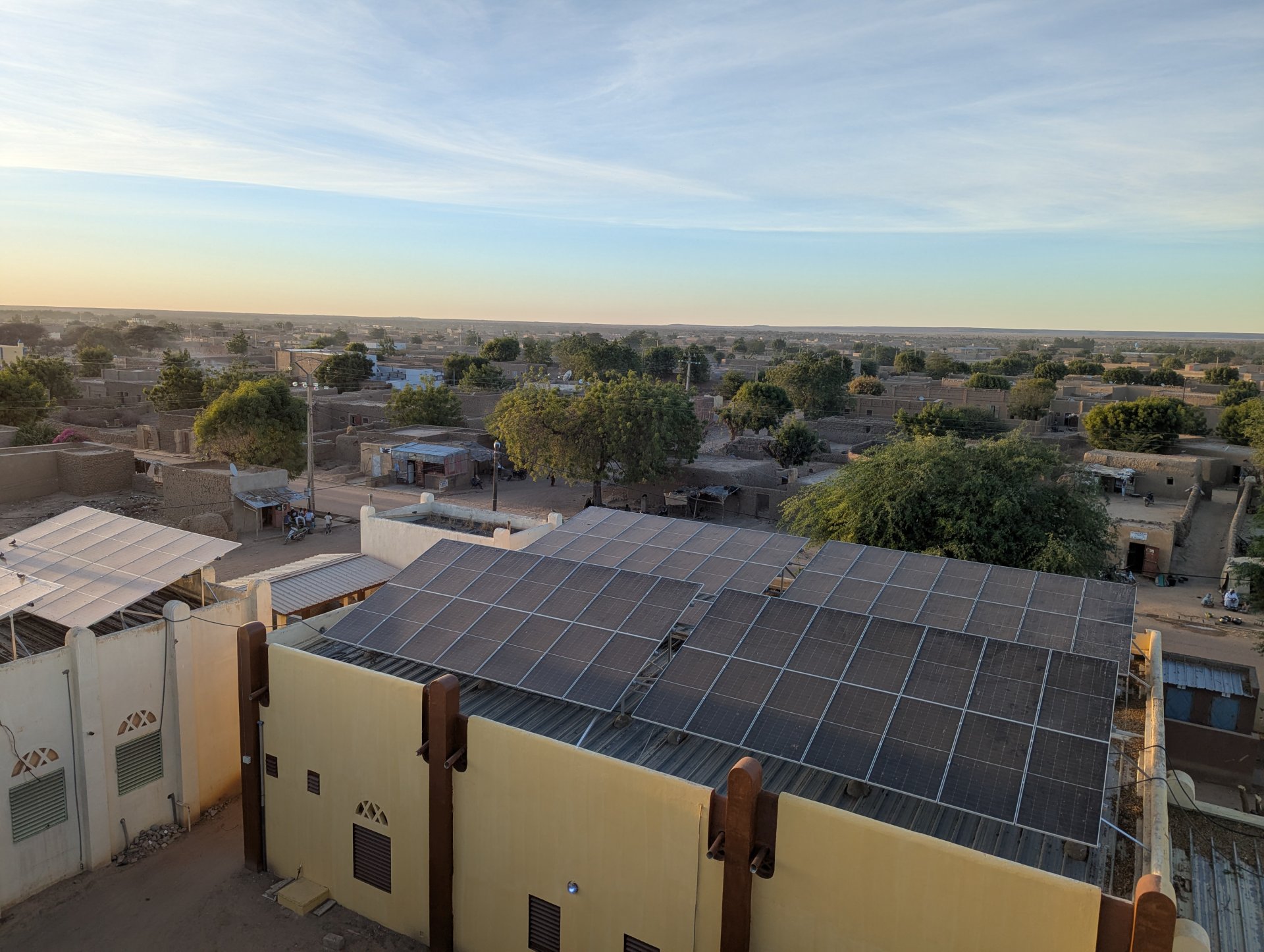
In the Timbuktu region of northern Mali, a new solar panel installation is transforming operations at the Niafounké hospital. This shift toward renewable energy, spearheaded by MSF, strengthens the facility’s independence and ensures that medical services remain uninterrupted in a remote area frequently affected by instability.
Previously, the hospital was almost entirely dependent on a thermal power plant fueled by diesel, which was often plagued by blackouts. To keep the doors open, medical teams had to rely on expensive and sometimes unreliable generators. Today, the newly installed solar photovoltaic system provides approximately 60% of the hospital’s total energy requirements, significantly decreasing its reliance on fossil fuels.
A vital transition for patient care
According to Souleymane Ouattara, the project coordinator in Timbuktu, this energy transition allows the hospital to slash costs associated with generator maintenance and diesel purchases. These savings can then be redirected toward direct patient support. He emphasizes that the system secures the operation of life-saving equipment, including oxygen concentrators for neonatal and pediatric units, surgical and obstetric emergency rooms, laboratory tools, ultrasound machines, and the essential cold chain for blood transfusions.
The technical setup features a 90 kWp capacity supported by a 210 kWh lithium battery storage system. This is integrated with an 80 kVA backup generator to create a hybrid model. By alternating between solar power, the local electrical grid, and the generator, the hospital maintains a consistent power supply around the clock.
Impact on displaced populations
For those seeking treatment, the newfound energy stability has a direct impact on their lives. Fadi, who was forced to flee the village of Léré due to threats from armed groups, sought safety in Niafounké with her family. “I had to leave with my children and sister after we were ordered to evacuate our village,” she explains. “Now, I am here at the pediatric ward for my son, Ousmane.” In such precarious conditions, having access to dependable healthcare is a lifeline.
This project is a key component of the “Green Initiative,” an MSF strategy designed to minimize the environmental impact of humanitarian work while boosting operational efficiency. For several years, the organization has been implementing hybrid solar systems across the Sahel and other global regions to reduce the logistical challenges and pollution associated with transporting diesel to isolated locations.
Sustainable solutions for humanitarian aid
The benefits of this solar project extend beyond environmental protection. By stabilizing the power supply for laboratories and intensive care units, it improves the working environment for medical staff and raises the overall standard of care. In fragile humanitarian contexts, solar energy serves as a tool for resilience and autonomy, offering a sustainable way to protect lives.
MSF has been active at the Niafounké hospital since 2019, specifically managing a pediatric project for children under the age of 15. In addition to hospital support, the organization assists four community health centers and provides primary healthcare services to remote villages throughout the Gourma area in the Timbuktu region of Mali.