
Strengthening public health in Burkina Faso through international cooperation
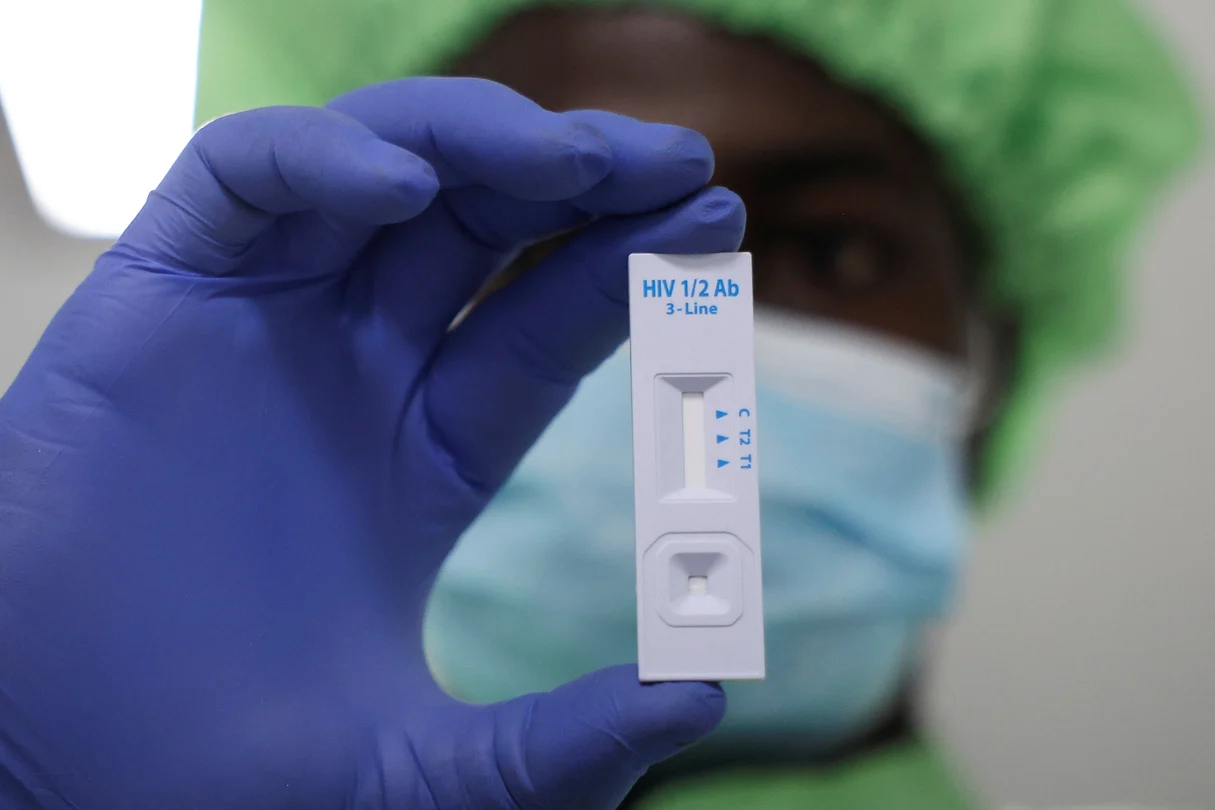
On Wednesday, February 25, the United States Department of State confirmed the signing of a five-year bilateral memorandum of understanding with Burkina Faso. Valued at $147 million, this financial support is designed to bolster the nation’s fight against HIV/AIDS, malaria, and other infectious pathologies, while enhancing epidemiological tracking and emergency response capabilities.
According to the official statement, this agreement establishes a framework for deeper cooperation aimed at preventing and managing the spread of communicable diseases. As part of this initiative, Burkina Faso has pledged to increase its own domestic health expenditures by $107 million, demonstrating a commitment to national ownership of its medical infrastructure.
Global health security and modernization
The strategic partnership allocates approximately $12 million toward global health security initiatives. These funds are intended to:
- Reinforce community-based health systems.
- Modernize and digitize the collection and transmission of medical data.
- Enhance laboratory capacity to identify emerging pathogens rapidly.
The protocol also incorporates long-standing programs focused on maternal and child health, as well as malaria prevention. A significant emphasis is placed on supporting frontline community health workers, who are viewed as the foundation of a sustainable, locally-led health system. By the end of the five-year period, health professionals and laboratory technicians currently funded by the United States will be integrated into the Burkina Faso public health workforce.
A broader strategy with regional variations
While Burkina Faso has embraced this collaboration, other nations have taken different paths. Zimbabwe formally declined a $367 million funding offer, citing concerns over national sovereignty and oversight mechanisms. Similarly, Zambia has expressed reservations regarding specific clauses, with future discussions between Washington and Lusaka pending potential adjustments.
These bilateral agreements are part of the “America First” global health strategy. To date, 17 memorandums have been signed with countries including Botswana, Burundi, Cameroon, Côte d’Ivoire, Ethiopia, Kenya, and Nigeria. This global effort represents over $18.56 billion in health funding, combining $11.33 billion in American aid with $7.23 billion in partner co-investments.