
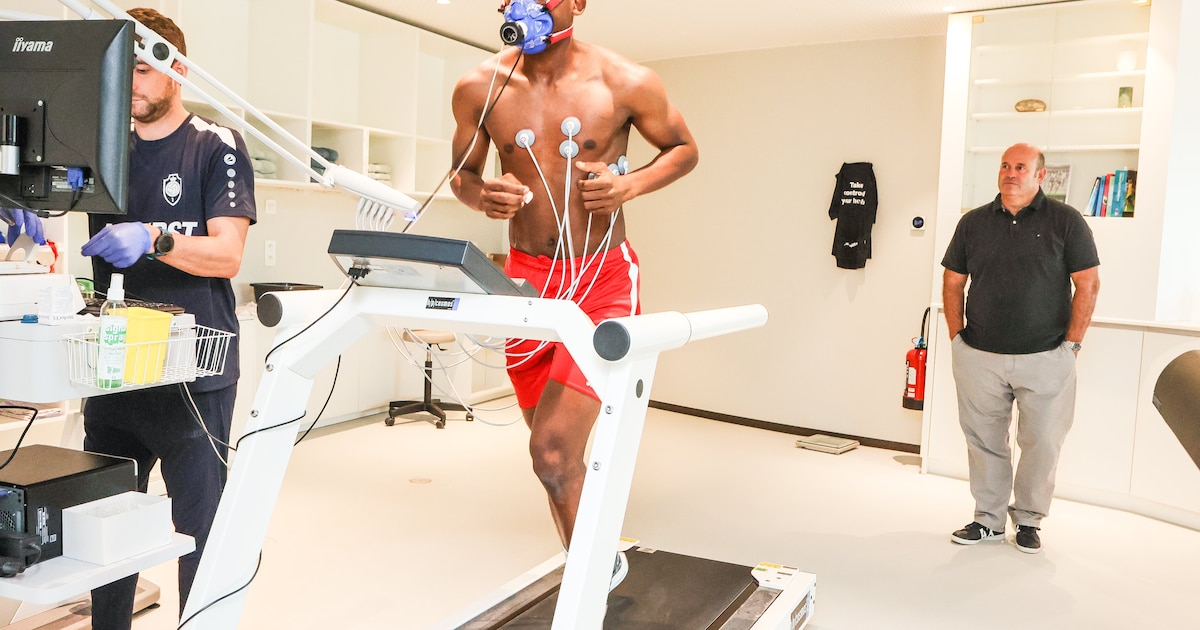
Anan Khalaili’s dream move to Inter Milan has hit a major roadblock. The Union Saint-Gilloise midfielder failed additional cardiac exams in Milan, forcing the club to abandon the transfer. This isn’t just bad luck—it’s the result of Italy’s strict medical protocols for football transfers.
The situation highlights a key difference between Serie A and other European leagues: the depth and rigor of pre-contract medical examinations, particularly for heart-related conditions. While clubs in other leagues might accept borderline cases, Italian football operates under a zero-tolerance policy enforced by independent medical bodies.
Behind the scenes: how Italian clubs vet players
Every professional footballer joining an Italian club—whether on loan or permanent deal—must undergo a two-stage medical evaluation. The initial screening includes standard tests like blood work, physical exams, and basic cardiac assessments. If any red flags appear, the player is sent for deeper analysis at an accredited medical center, such as the Humanitas Hospital in Rozzano, where Khalaili was tested.
These follow-up exams are highly specialized. They often include advanced imaging like echocardiograms, stress tests, and even long-term monitoring. The goal isn’t just to confirm fitness—it’s to rule out any latent cardiac risks that could lead to sudden cardiac arrest on the field. This is where many transfers fail in Italy, even when they’d be approved elsewhere.
When regulations override ambition
The system is designed to protect players above all. If a medical board determines a player poses even a minimal risk, the club has no choice but to walk away. There are no negotiations, no special dispensations, and no overrides—not even for expensive transfers or urgent squad needs.
This strict approach dates back to 1982, when Italy introduced national regulations requiring all professional athletes to be examined at government-accredited sports medicine centers. A 1995 decree further tightened protocols, specifically targeting cardiac screening with stricter echocardiographic and stress-test standards. The result is a system that prioritizes player safety over sporting success.