
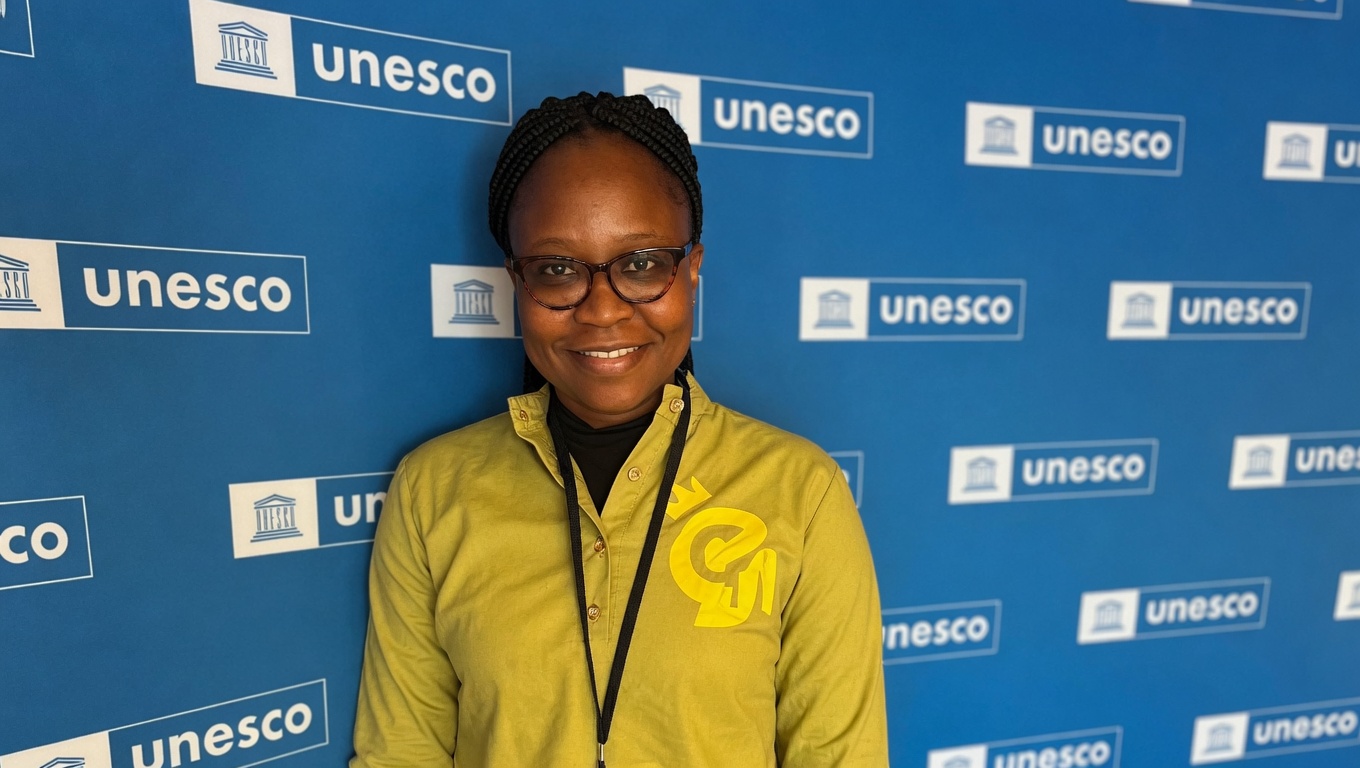
In the heart of Cotonou, a startup named SSaFE is redefining the boundaries of technological advancement. Led by chemical engineer Marielle Agbahoungbata, the company has developed an autonomous “filtering robot” powered by artificial intelligence. This device aims to convert contaminated water into a vital resource while communicating in local dialects.
During a presentation at UNESCO in Paris, Marielle Agbahoungbata captivated her audience by moving beyond theoretical tech talk. She introduced a practical remedy for her nation’s challenges: a machine capable of assessing water quality and independently determining the most appropriate treatment method.
A digital brain for optimized resource management
Known as Watt Air, this robot functions as a portable laboratory. The integrated AI analyzes detected pollutants to decide whether the processed water should be used for human consumption, laundry, or agricultural irrigation.
According to the founder, the system significantly reduces time and energy consumption. The AI calculates the exact amount of chemical reagents needed with surgical precision, ensuring that no resources are wasted in the face of increasing water stress and rising costs.
Overcoming literacy barriers through voice technology
What sets SSaFE apart is its commitment to inclusivity. The innovation is not restricted to experts; it is designed for everyday users in remote regions. Watt Air features a multilingual voice assistant that supports languages such as Fon, Bambara, Swahili, and Wolof.
This allows individuals who may not have had access to formal education to interact with the device. A woman in a rural village can manage her household’s water recycling simply by speaking to the machine. As Marielle Agbahoungbata notes, this represents a shift where technology adapts to human needs rather than requiring humans to master complex interfaces.
The role of Sèmè City and future prospects
The development of Watt Air has been nurtured within Sèmè City, Cotonou‘s premier innovation hub. Thierry d’Almeida, the director of the center’s research institute, believes the collaboration between various scientific disciplines is essential for addressing local hurdles.
Backed by a $30,000 grant from UNESCO, the project demonstrates that effective solutions for African problems are frequently born on the continent, fueled by a deep understanding of the local environment. While currently in the prototype phase, the goal is to have the system operational by 2027. SSaFE is now seeking investors and partners to transition the technology from the lab to residential homes.
Ultimately, Marielle Agbahoungbata emphasizes that technology’s true worth lies in its ability to improve health and save time without leaving anyone behind, regardless of their linguistic or educational background.