

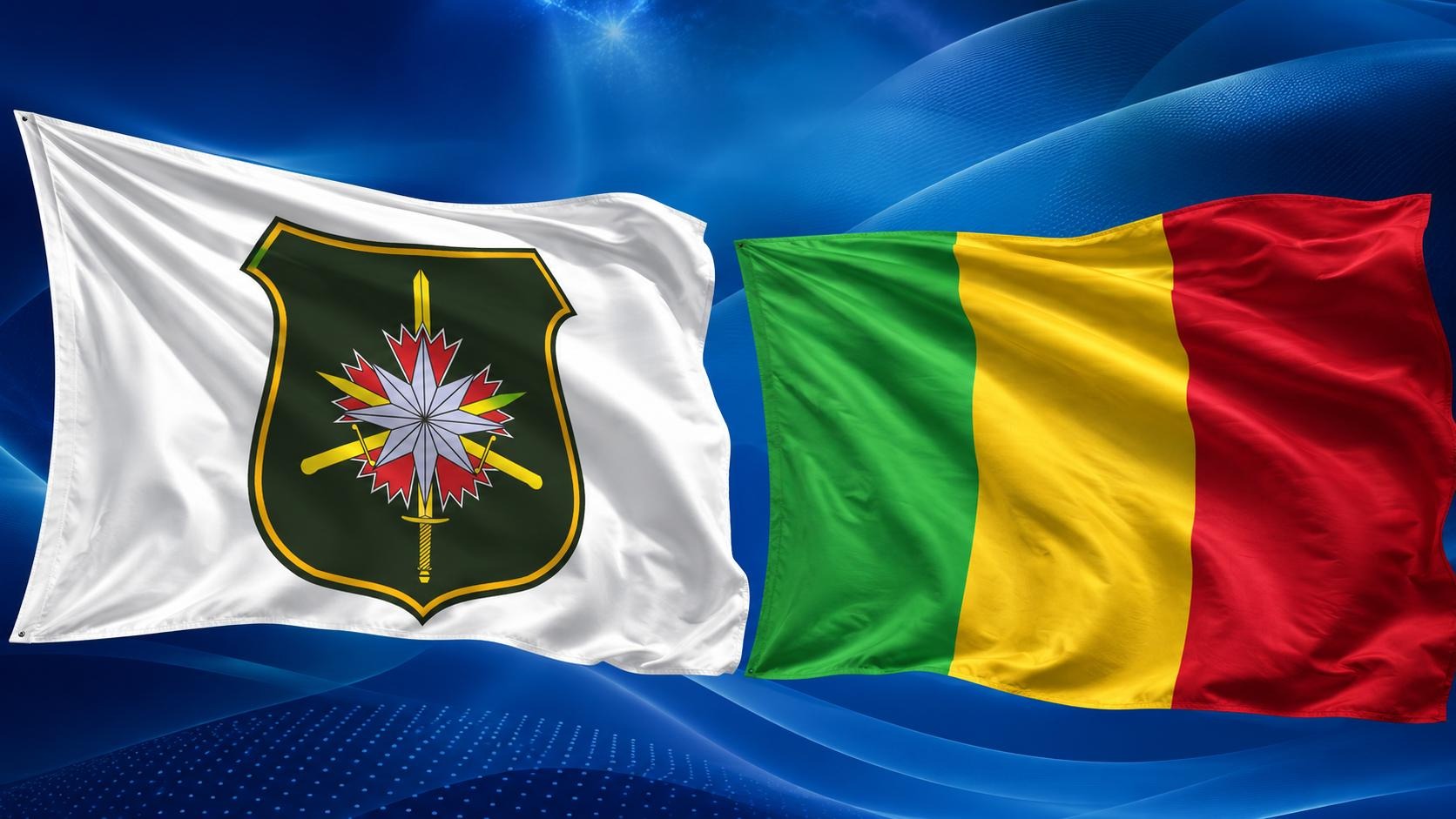
The myth of invincibility: Africa Corps faces its toughest test
The recent clashes in Anéfis, a critical outpost in northern Mali, have sent shockwaves through West African diplomatic circles. The outcome of these battles could redefine the power dynamics of the region, as the newly formed Africa Corps—Russia’s official military extension—finds itself struggling against an unexpected adversary. Once hailed as an unstoppable force, this mercenary-backed unit now faces its most humbling challenge yet.
Anéfis: the strategic choke point that changed the game
Anéfis sits along the vital road linking Mali to Kidal, a stronghold of the Tuareg rebellion. Far from being just another checkpoint, it serves as a critical logistical hub. The joint operation conducted by the Malian Armed Forces (FAMa) and their Russian advisors turned into a disaster when confronted by a formidable coalition of local armed groups. This alliance combined the mobile tactics of the Permanent Strategic Framework (CSP-DPA) with the relentless guerrilla warfare of jihadist factions, leaving Africa Corps exposed and vulnerable.
The aftermath revealed a stark contrast between propaganda and reality. Reports of destroyed armored vehicles, abandoned heavy weaponry, and fallen soldiers have emerged, shattering the image of invincibility carefully cultivated in Bamako and Moscow.
Moscow’s gamble: from promise to pitfall
For Russia, the failure in Anéfis is more than a setback—it’s a direct challenge to its carefully constructed narrative in the Sahel. By aligning with the Alliance of Sahel States (AES), Moscow pledged a swift and decisive victory over terrorism, positioning itself as the superior alternative to Western interventions like Barkhane and MINUSMA, which were deemed ineffective by local populations. Yet, the harsh realities of asymmetric warfare have exposed fundamental flaws in this strategy.
The harsh lessons of the battlefield
- Logistical nightmares: Maintaining isolated outposts in the vast Sahara while facing hyper-mobile indigenous fighters drains resources and morale.
- Intelligence gaps: Despite advanced surveillance tools, Africa Corps consistently underestimates the resilience and coordination of rebel forces.
- Overstretched commitments: With global conflicts demanding attention, Russia cannot indefinitely sustain elite troop deployments in the Sahel. The Africa Corps, though formidable, is stretched thin, struggling to contain a crisis spanning an area as vast as Europe.
Bamako’s fragile alliance at risk
The Malian transitional authorities have staked their legitimacy on the support of Africa Corps. If this partnership begins to falter under the weight of ambushes and losses, the dream of reclaiming the nation’s full sovereignty could crumble. The battle of Anéfis isn’t just a tactical error—it signals a potential turning point in the Sahel’s ongoing crisis.
This confrontation proves that brute force alone cannot resolve deep-rooted political and identity conflicts. For Moscow, the Sahel is no longer a low-cost arena for influence; it has become an expensive quagmire, with its sands swallowing both resources and reputation.